
Bernard Engraving Marine Identification Labels, Boat Numbers & Registration Plates
Bernard Engraving Company makes practical, easy-to-apply marine identification labels, plastic letters, boat numbers, and registration plates for boaters who need clear, durable marking solutions. Whether you are replacing worn lettering, organizing an electrical panel, adding caution labels, or preparing a vessel for registration display requirements, Bernard Engraving products offer a simple way to keep your boat readable, compliant, and better organized.
Founded in Toledo, Ohio, and serving the marine industry since at least 1958, Bernard Engraving is known for dependable identification products built for boating applications. Browse our selection to find adhesive-backed lettering, molded plastic signs, registration plates, and ready-made labels that are easy to install and made for real marine use.
Key Takeaways
- Best for: boat registration numbers, identification plates, caution labels, panel labels, plastic letters, and marine signage.
- Why boaters choose Bernard Engraving: clear readability, peel-and-stick convenience, and durable materials suited for marine environments.
- Primary shopping intent: replacing or adding boat letters, numbers, registration plates, and identification labels quickly without custom fabrication.
- Buying tip: confirm your vessel’s registration number size, color contrast, and placement rules before applying letters or number plates.
Marine Identification Products for Boats, Panels & Equipment
Bernard Engraving products help boat owners label important systems, display vessel information, and improve onboard safety. Unlike generic decals or craft-store lettering, marine identification products need to remain legible around moisture, UV exposure, vibration, cleaning products, and frequent handling. That makes material choice, adhesive quality, and contrast especially important.
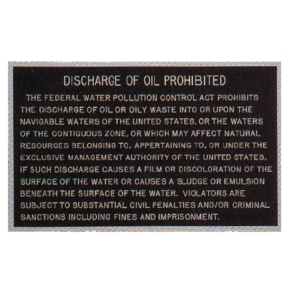
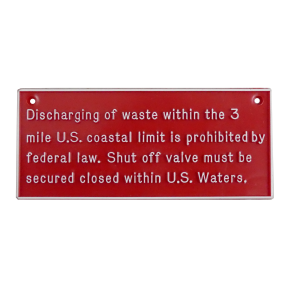
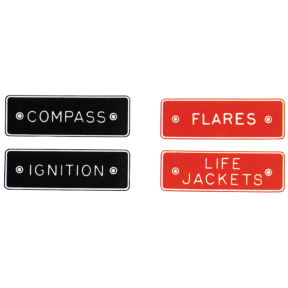
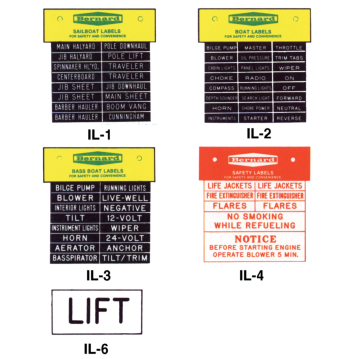
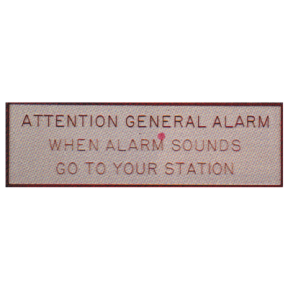
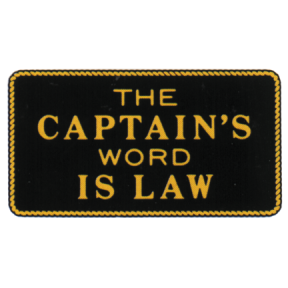
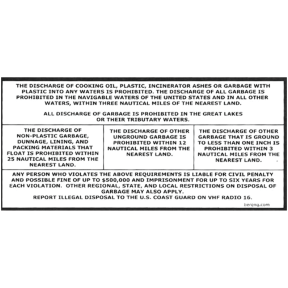
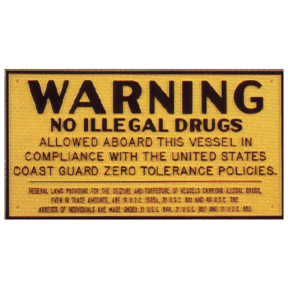
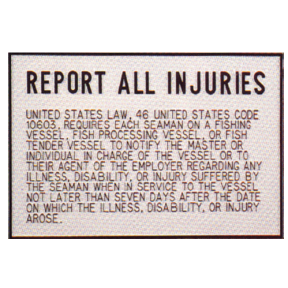
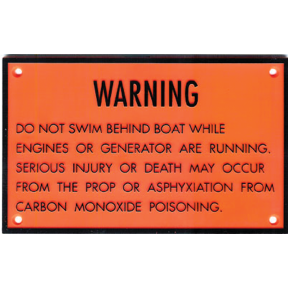
- Identification Plates and Labels: Use Bernard Engraving identification plates and labels for electrical panels, switches, lockers, equipment, safety notices, and other onboard locations where clear labeling matters. These labels help crew and guests quickly identify systems and reduce confusion during operation or maintenance.
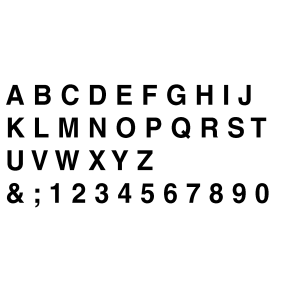
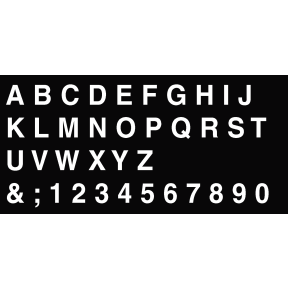
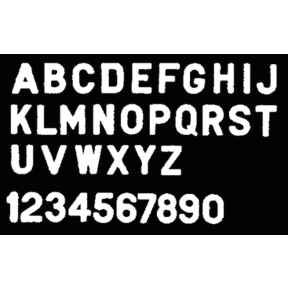
- Plastic Letters and Numbers: Adhesive-backed plastic letters and numbers are a convenient choice for boat names, registration numbers, dock boxes, gear lockers, tenders, and equipment marking. They are easy to apply, easy to read, and useful when you need a clean finished look without painting or engraving.
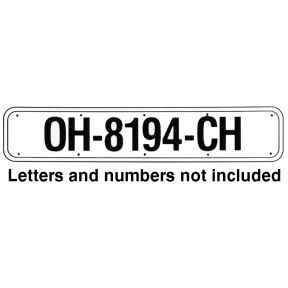
- Plastic Boat Registration Plates: Plastic boat registration plates provide a molded, organized surface for displaying registration numbers. They are especially useful when you want a more permanent, structured alternative to individual decals or when the mounting area benefits from a defined backing plate.
How to Choose Boat Registration Numbers and Marine Labels
Why Buy Bernard Engraving Marine Labels from Fisheries Supply?
Fisheries Supply carries practical marine-grade products for boat owners, yards, and DIY repair projects. Bernard Engraving’s ready-made labels, plates, and plastic letters are a smart fit when you need dependable identification without overcomplicating the job. Shop now to compare options, find the right size or format, and complete your labeling or registration project with confidence.
Compared with broad marine retailers and decal-focused competitors, this page gives boaters clearer buying guidance: what each product type is for, how to think about placement, and why readability matters. That helps you choose the right marine identification product instead of guessing from product names alone.
Frequently Asked Questions
Where should boat registration numbers be placed?
Boat registration numbers are typically placed on both sides of the forward half of the vessel and must read from left to right. Always check your state boating agency’s current requirements for exact placement, size, spacing, and decal location.
How big do boat registration numbers need to be?
Many states require boat registration numbers to be at least 3 inches tall, but rules vary. The numbers should also contrast with the hull color and be easy to read from a distance.
Are Bernard Engraving products suitable for DIY boaters?
Yes. Bernard Engraving peel-and-stick lettering, identification labels, and registration plates are well suited for DIY installation when applied to a clean, dry, smooth surface.
What is the difference between boat decals and plastic boat numbers?
Boat decals are usually thin adhesive graphics, while plastic boat numbers or plates offer a more dimensional, structured marking option. Plastic letters and plates can be a good choice when you want a durable, easy-to-read identification solution.
Can marine identification labels be used on electrical panels?
Yes. Marine identification labels are commonly used on electrical panels, switches, breakers, equipment lockers, and control areas to make onboard systems easier to identify and operate safely.
How do I make adhesive boat letters last longer?
Clean the surface thoroughly, remove wax or oil, let the area dry completely, and apply the letters with firm pressure. Avoid washing or scraping the area immediately after installation so the adhesive can bond properly.