Crabbing Season in Puget Sound
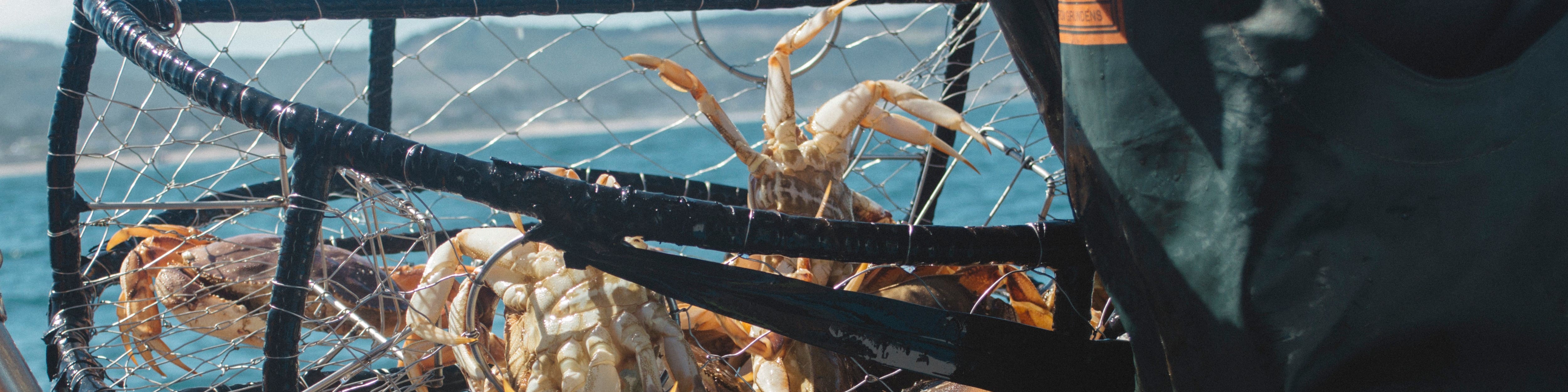
There's nothing quite like the exhilaration you feel when you raise that crab pot from the cold depths of Puget Sound and find it full of wonderful, tasty Dungeness. If you like that feeling, this article outlines when Puget Sound crab season is open and some rules and regulations for recreational crabbing. So unearth your pots, check your rot cord, grab some fish carcasses for fresh bait and head out onto the water for Pacific Northwest crabbing season.
When is it crabbing season in Washington?
Sometimes it's tough to follow when you can and can't get out there and start crabbing – so we've tried to break it down for you. The information below shows the current information for dungeness crab season in the Puget Sound - but you can get more detailed maps of the areas below from the Washington Department of Fish and Wildlife (WDFW) along with information about why your area might be closed.
Pacific Northwest Crabbing Season & Areas
UPDATED July 2025
| Marine Area | Location | Status |
|---|---|---|
| 1 | South Coast/Pacific Ocean | Open everyday, year-round for Crab gear other than pots, open for crab pots Dec. 1 through Sept. 15th. |
| 1 | Columbia River | Open everyday, year-round. |
| 2 | Westport/Ocean Shores | Open everyday, year-round for Crab gear other than pots, open for crab pots Dec. 1 through Sept. 15th. |
| 2 | Willapa Bay - Area 2-1 | Open everyday, year-round for Crab gear other than pots, open for crab pots November 15th through Sept. 15th. |
| 2 | Grays Harbor - Area 2-2 | Open everyday, year-round for Crab gear other than pots, open for pots Dec. 1 through Sept. 15th. |
| 3 | LaPush | Open everyday, year-round for Crab gear other than pots, open for pots Dec. 1 through Sept. 15th. |
| 4 | Neah Bay - East of Bonilla-Tatoosh line | Open July 3 through Sept. 1, with crabbing allowed Thursdays through Mondays only. |
| 4 | Neah Bay - West of Tatoosh-Bonilla line | Open everyday, year-round for Crab gear other than pots, open for crab pots Dec. 1 through Sept. 15th. |
| 5 | Sekiu and Pillar Point | Open July 3 through Sept. 1, with crabbing allowed Thursdays through Mondays only. |
| 6 | East Juan de Fuca Strait, Port Angeles Harbor, Discovery Bay | Open July 3 through Sept. 1, with crabbing allowed Thursdays through Mondays only. |
| 7 | South - San Juan Islands/Bellingham | Open July 17 through Sept. 29 with crabbing allowed Thursdays through Mondays only. |
| 7 | North - Gulf of Georgia | Will open sometime in mid-August. The exact opening date will be announced later once crab shell condition sampling is completed. |
| 8-1 | Deception Pass - Area 8-1 | Open July 3 through Sept. 1, with crabbing allowed Thursdays through Mondays only. |
| 8-2 | Port Susan/Everett - Area 8-2 | Open July 3 through Sept. 1, with crabbing allowed Thursdays through Mondays only. |
| 9 | Port Gamble/Port Ludlow | The portion of Marine Area 9 north of the Hood Canal bridge to a line connecting Olele Point and Foulweather Bluff. Open July 3 through Sept. 1, with crabbing allowed Thursdays through Mondays only. |
| 9 | Admiralty Inlet | The portion of Marine Area 9 EXCLUDING waters north of the Hood Canal bridge to a line connecting Olele Point and Foulweather Bluff. Open July 3 through Sept. 1, with crabbing allowed Thursdays through Mondays only. |
| 10 | Seattle/Bremerton | Open July 6 through Sept. 1, with crabbing allowed Sundays and Mondays only. |
| 11 | Tacoma-Vashon Island | Open July 6 through Sept. 1, with crabbing allowed Sundays and Mondays only. |
| 12 | Hood Canal - North of Ayock Point | Open July 3 through Sept. 1, with crabbing allowed Thursdays through Mondays only. |
| 12 | Hood Canal - South of Ayock Point | Closed until further notice. |
| 13 | South Puget Sound | Closed until further notice. |
Recreational Crab Fishing Rules
For those of you that like to participate in the annual adventure of crabbing season, it's important to follow a few simple rules:
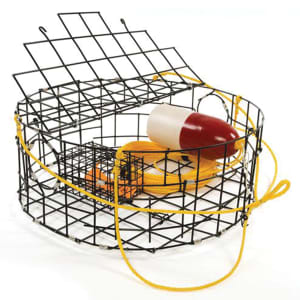
- All recreational crabbers 15 years or older must carry a current Washington fishing license
- In addition, all recreational crabbers regardless of age in the Puget Sound management area must purchase a Puget Sound crab endorsement on their license and obtain a Puget Sound Dungeness crab catch record card to account for all Dungeness they catch. Catch must be reported after the season, regardless of whether any crab were caught/retained. If you don't have one, the Washington Department of Fish & Wildlife (WDFW) enforcement officer will be sure to loan you theirs after they make you sign your ticket!
- Kids under 15 don't need a license during crabbing season – but do need a catch record. Please note that if Dad or Grandma is driving the dinghy while young Suzi is bringing up the pot – they better have a license as they are considered to be part of the fun.
- You are only allowed to fish for Tanner, Red Rock, or male Dungeness crab - all other species are closed to crabbing - so get to know these species before you leave the dock.
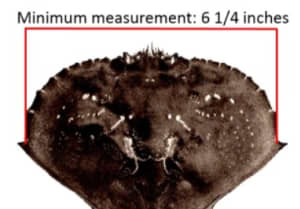
- The daily limit for crab fishers throughout Puget Sound is five Dungeness, males only, in hard-shell condition with a minimum carapace width of 6 1/4 inches. Fishers may catch six Red Rock of either sex per day, provided those crab measure at least 5 inches across (hardshell only!). You may also catch six Tanner of either sex, provided they measure at least 4.5 inches across (hardshell only!).
- Crab fishers may not set or pull shellfish gear from a vessel from one hour after official sunset to one hour before official sunrise during crabbing season. All shellfish gear must be removed from the water on closed days.
- Recreational crabbers may not set gear within commercial shipping lanes.
- All recreational crabbers, regardless of age, must return their catch record cards by mail or report them online – even if you did not go crabbing or catch any crab. The deadline for returning summer and winter catch cards is printed on each catch card. If crabbers fail to return their catch card they will be required to pay a $10 fine before they can purchase another crab endorsement.
Why do I have to submit a Catch Card?
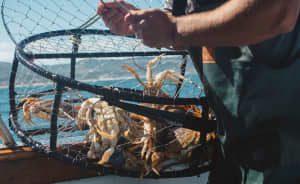
The state fishery managers need this information to estimate the “recreational harvest numbers” for the year (how much all you fun-loving crabbers caught) and to help set future crabbing “opportunities”. By keeping an honest record of your catch, you are playing a vital role in maintaining a future where you can keep doing what you love – fishing for crab.
Is it Dungeness? How do I identify what type of crab I've caught?
It's vital that you are catching only the "allowed" types of crabs - so if you're not sure how to identify them, check out this great resource provided by WDFW on the Crabs of Washington (PDF), full of tips on identifying native and invasive species.
Dungeness Crabs
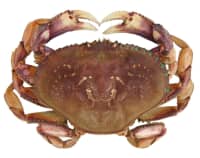
Dungeness crabs usually have a purple to tan color with a shell up to 10 inches. They have an oval shell with 10 spines outside of the eyes. They have serrations on the upper margin of their claws and lightly colored claw tips.
Red Rock Crabs
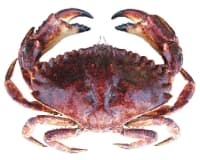
Red Rock crabs are usually red or red/brown and have a shell up to 7.8 inches wide. The have a fan shaped shell with 10 spines outside the eyes and the frontal area protrudes beyond the eyes with 5 spines. It can be distinguished from the Dungeness by the presence of large claws that have black tips.
How do I tell if it's a male or female crab?
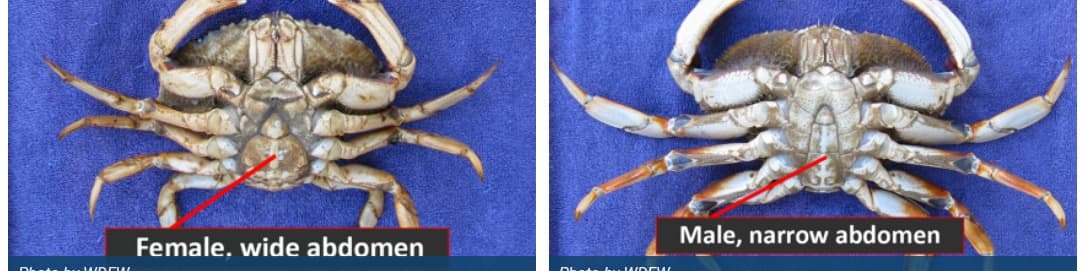
You can tell the difference by turning the crab over and looking at the abdominal flap, which is much wider on a female than on a male. An easy way to remember this is to think about signs for toilets where the female has a dress on and the man is in pants - the female's abdominal flap almost looks like a dress, while a male's is much slimmer, as shown below from the WDFW.
How do I know if it's a softshell or hard shell crab?
It can be hard to tell on some crabs if they are in the soft-shelled state, but things to look for are that it feels a bit lighter than it should, that the underside shell is more white rather than the normal yellowish/brown color, and that there may be little to no marine growth on the shell. You can find more information on how to tell with a "pinch test" on the WDFW page.
How do I measure the crab?
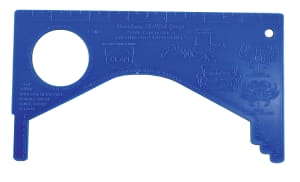
You might think you just measure from side to side, but you would be wrong! Using a crab gauge, measure the distance from inside the points as shown in this reference from the WDFW. A responsible crabber will use a good gauge and not just guess as you can easily underestimate the size.
How do I put my crab back in the water if it doesn't meet regulations?
It's really important to handle the crab carefully - and gently release them back into the water. If you are fishing from a pier or a high dock, make sure to lower them in a bucket - don't just toss them in from any old height.
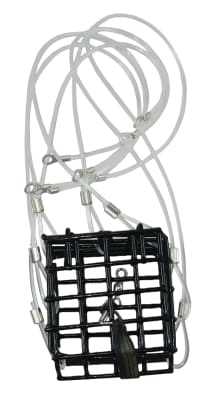
What are the ways I can crab without a pot?
Some areas in Puget Sound allow fishing "without a crab pot" all year long - so what does that mean? There are several other ways to do this including using a dip net, with devices from a fishing hook (like the image to the left), and crabbing by hand using scuba gear (yep - actually just grabbing them off the ocean floor!). Please note that anything that involves piercing the shell (like a spear gun) is considered illegal.
Now that you've got all the information you need, it's time to make sure you have best crabbing season ever - so check out our great selection of crabbing gear to make sure you've got everything you need for success.
Still have questions? Feel free to contact our experts at (800) 426-6930 for more help.