
Marine Wind, Weather & Depth Instruments at Fisheries Supply
Marine wind, weather, and depth instruments provide the environmental data boaters rely on for safety and informed navigation. From day sailors to offshore cruisers and professional installers, these systems deliver real-time insight into wind conditions, weather trends, and water depth.
What to Know
- Marine instruments provide real-time wind, weather, and depth data.
- Systems range from standalone gauges to fully networked displays.
- Wireless options simplify mast and deck installations.
- Fisheries Supply carries trusted brands for sail and power boats.
Common systems include anemometers, wind vanes, weather stations, and depth sounders. Together, they report wind speed and direction, barometric pressure, air and water temperature, and bottom depth, helping skippers make confident decisions underway.
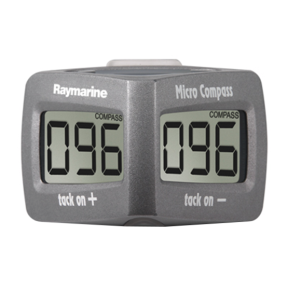
Fisheries Supply carries a broad selection of marine wind instruments, tactical racing systems, weather stations, multifunction displays, NMEA® adapters, and supporting components for accessing and displaying onboard data.
Key Instruments and Their Functions
Wind Instruments
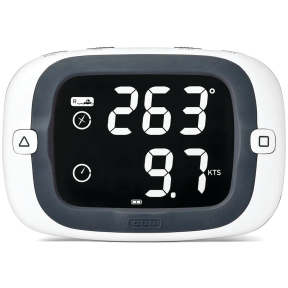
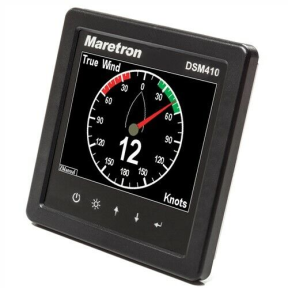
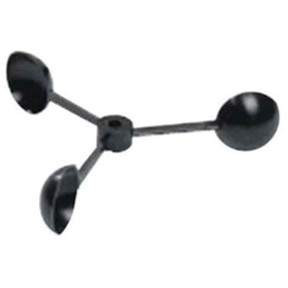
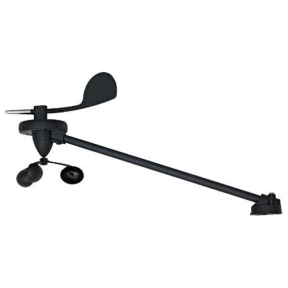
- Anemometers: Measure apparent and true wind speed.
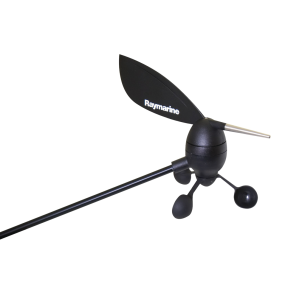
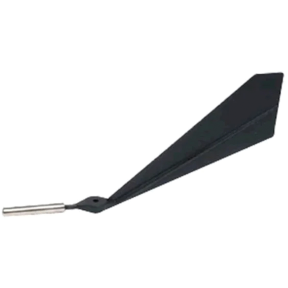
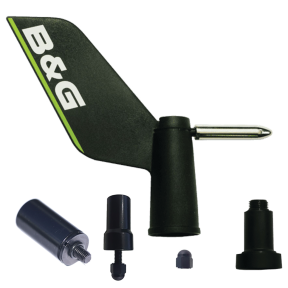
- Wind Vanes: Indicate wind direction; can be paired with autopilots to steer relative to wind angle.
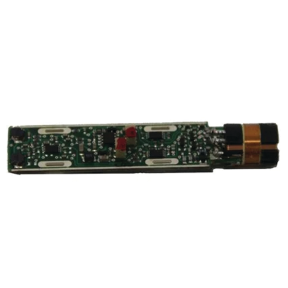
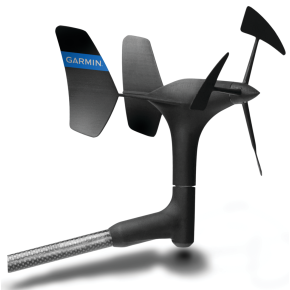
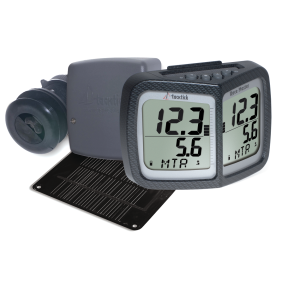
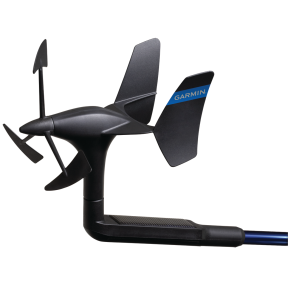
- Wireless Wind Instruments: Simplify installation and reduce weight aloft by eliminating mast wiring while integrating with onboard networks.
Weather Stations
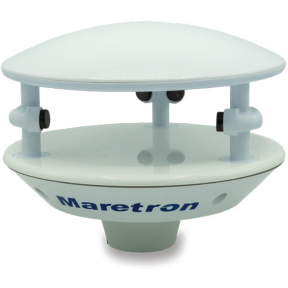
- Barometric Pressure Sensors: Help predict weather changes.
- Temperature Sensors: Monitor air and water temperature.
Depth Sounders
- Sonar-Based Depth Sounders: Measure water depth and detect underwater obstacles.
- Fish Finders: Specialized sounders designed to identify fish targets.
- Depth Alarms: Provide audible alerts when approaching shallow water.
Boat Instrument Brands We Carry
Popular Wind Instruments
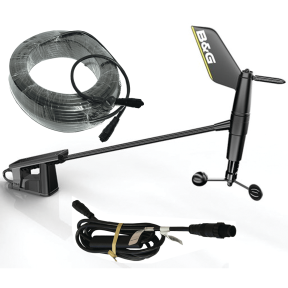
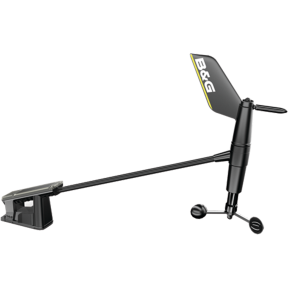
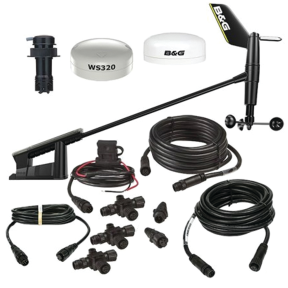
- B&G WS320 Wireless Wind Sensor : Solar-powered wireless design with high-performance accuracy.
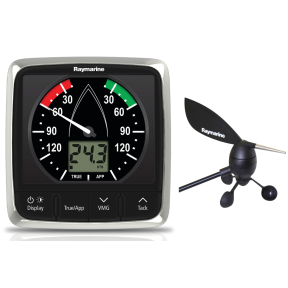
- Raymarine i60 Wind System : Integrated wind data designed for clear, at-a-glance viewing.
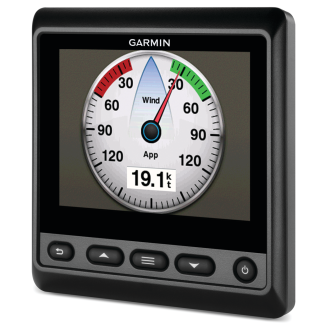
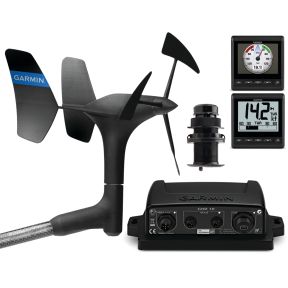
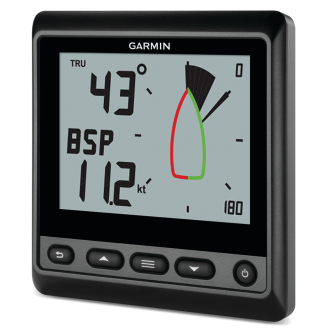
- Garmin GNX Wireless Sail Pack : Combines wind, speed, and depth data in a coordinated system.
Popular Weather Stations
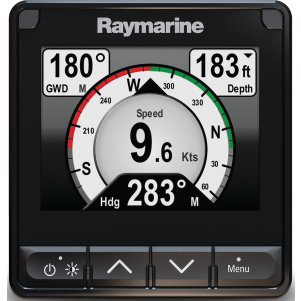
- Raymarine i70s System Pack : Multifunction display supporting weather and navigation data.
- Garmin GMI/GNX Wired Sail Pack : Wired instrumentation for wind, depth, and environmental monitoring.
Popular Depth Sounders
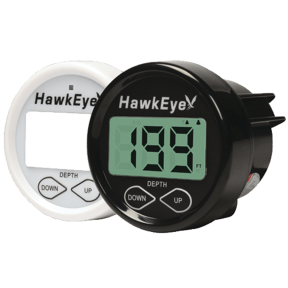
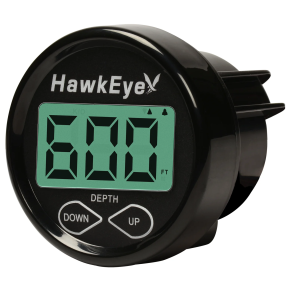
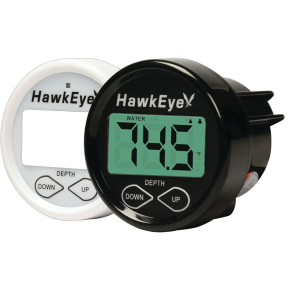
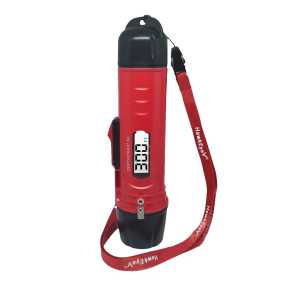
- Hawkeye High Speed Digital Depth Sounder : Straightforward, reliable depth readings at an accessible price point.
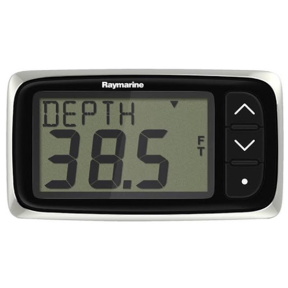
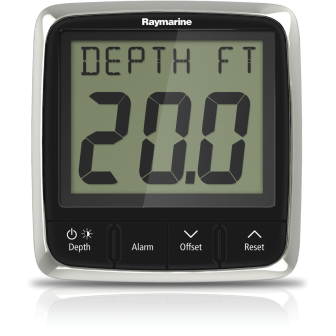
- Raymarine i50 Depth Sounder : Large, high-contrast display for easy viewing underway.
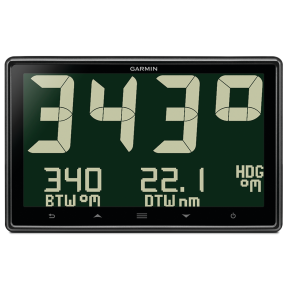
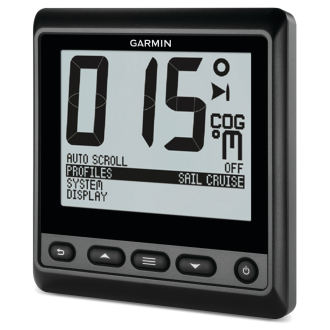
- Garmin GNX 20 : Customizable instrument supporting depth, speed, and wind data.
Why Choose Fisheries Supply
Fisheries Supply has long been a trusted source for marine wind, weather, and depth instruments. We stock proven products from established manufacturers and support both recreational and professional customers.
Our representatives are ready to help you find the perfect instruments for your needs.
Frequently Asked Questions
How does a marine depth sounder work?
A depth sounder sends ultrasonic pulses into the water and measures the time it takes for the signal to reflect off the seabed and return, calculating depth based on the speed of sound in water.
What displays work with modern wind, speed, and depth sensors?
Many current marine displays support NMEA 0183 and NMEA 2000 networks, allowing sensors from manufacturers such as Raymarine, Garmin, and B&G to operate together on a shared system.
What types of marine instruments are available for monitoring wind, depth, and speed?
The category includes a wide range of essential marine electronics such as digital depth sounders, anemometers for wind speed, wind vanes for direction, and knotmeters for tracking boat speed through water. These are available as standalone dedicated displays, multi-function displays (MFDs) that combine data, or integrated instrument packs from top brands like Garmin, Raymarine, and B&G.
How do wireless wind instruments differ from traditional wired systems?
Wireless wind instruments, such as the B&G WS320 or Garmin GNX Wireless Sail Pack, eliminate the need for running cables through the mast, which simplifies installation and reduces weight aloft. These systems typically use solar power and internal batteries to transmit data to the boat's NMEA 2000 or proprietary wireless network.
What is the benefit of using a multi-sensor transducer like the Airmar DST810?
A multi-sensor transducer combines depth, speed, and water temperature readings into a single thru-hull fitting. Advanced "smart" sensors like the DST810 also include attitude sensing for heel/trim and pitch/roll inputs, allowing sailors to calibrate data for better accuracy at different angles and speeds via Bluetooth-connected apps.
Can these instruments be integrated into an existing onboard network?
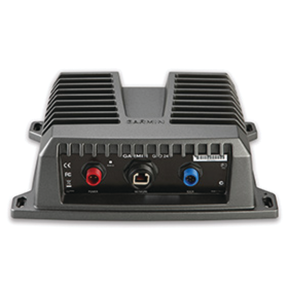
Yes, most modern instruments are NMEA 2000 compatible, allowing them to share data across a unified network with chartplotters, autopilots, and other displays. Some older or specific series may use NMEA 0183 or SeaTalk protocols, but "black box" integration units and adapters are available to bridge these systems for comprehensive data viewing.
What safety features are included with digital depth sounders?
Digital depth sounders often include programmable shallow and deep-water alarms. These provide audible and visual alerts to help prevent groundings when navigating unfamiliar waters or to notify the crew if the anchor is dragging and the vessel is moving into different depths.