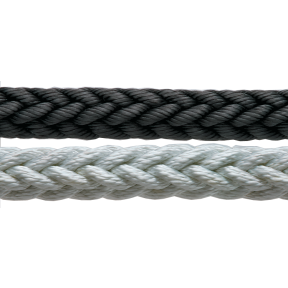
Choosing the Best Anchor Rope for Your Boat
Selecting the right anchor rope is a foundational part of building a safe and reliable anchoring system. Often called the anchor line or rode, this rope is what holds your boat in place once the anchor is set. Choosing a rope that is undersized or poorly matched to your boat and conditions can compromise holding power.
What to Know
- Match rope length to depth using proper scope.
- Consider bottom conditions when choosing rope and chain.
- Nylon offers strength and shock absorption for anchoring.
- Choose diameter based on boat size and load.
A well-chosen anchor rope balances strength, stretch, abrasion resistance, and handling.
Key Factors to Consider
- Water Depth and Scope: Anchor rope length must support proper scope, defined as the ratio of rope length to water depth. A commonly recommended scope is 7:1—seven feet of rope for every foot of water depth. This ratio allows the anchor to pull horizontally, helping it dig into the bottom and hold securely.
- Anchor Weight and Bottom Type: The weight of your anchor and the bottom conditions where you typically anchor—such as sand, mud, rock, or coral— play a major role in rope selection. Heavier anchors and abrasive bottoms often benefit from a setup that includes chain, which adds weight near the anchor and improves abrasion resistance.
- Rope Material and Diameter: Nylon is widely used for anchor lines because of its strength and elasticity, which helps absorb shock from wind and waves. For smaller boats, a 1/2-inch diameter anchor rope is common, offering a practical balance between strength and ease of handling.
Anchor Rope Options at Fisheries Supply
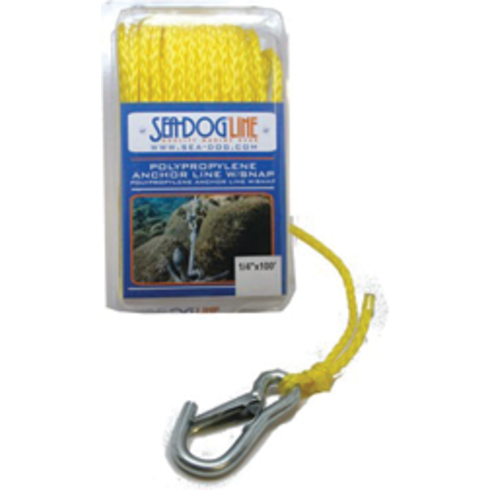
Fisheries Supply stocks a broad selection of anchor ropes and lines from established marine rope manufacturers, including Samson, Sea-Dog, and New England Rope. Options are available for both recreational boaters and professional installers.
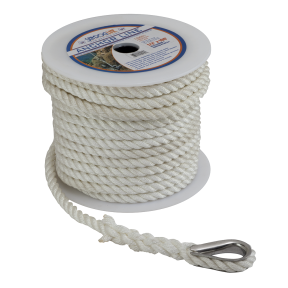
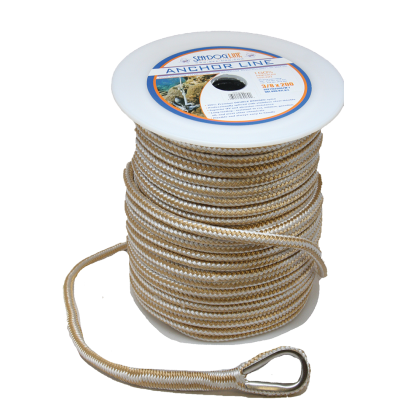
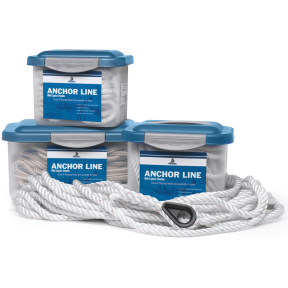
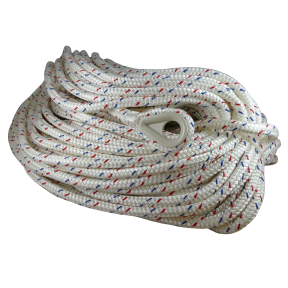
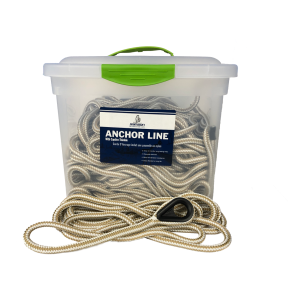
- Pre-cut and pre-spliced anchor lines: Ready-to-use lines with a factory-spliced thimble for quick attachment using a shackle.
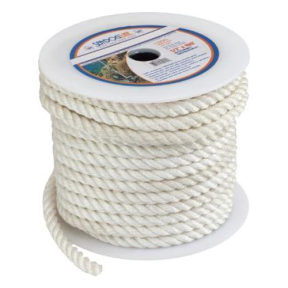
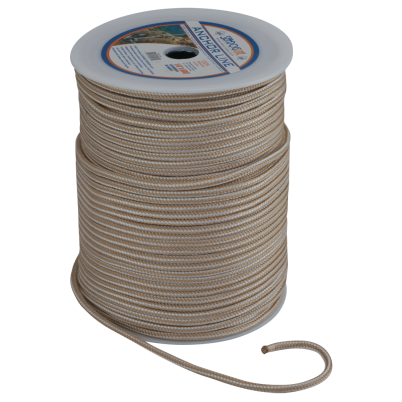
- Bulk nylon rope: Allows custom length selection and user-performed splicing.
- Anchor ropes with chain: Designed for rocky or coral bottoms where added abrasion resistance is beneficial.
Anchor ropes are available in multiple diameters and colors to match boat size, locker capacity, and personal preference. Accessories such as rope anchors are also available, making it easy to secure your anchor line to a cleat.
Need Help Choosing?
The team at Fisheries Supply can help match your anchor and rope to your boat and typical anchoring conditions. They can also offer practical guidance on rope care, proper storage, and ways to reduce tangling in the anchor locker.
Please read our article on how to complete a rope-to-chain splice.
Frequently Asked Questions
What is the best rope material to use for a boat anchor line?
Nylon line is the ideal choice for boat anchor lines due to its high strength, UV resistance, and excellent elasticity. This inherent stretch allows the line to absorb heavy shock loads caused by surge, wind, and wave action, preventing damage to your deck hardware and anchor roller.
Should I choose three strand twisted or double braid nylon for my anchor line?
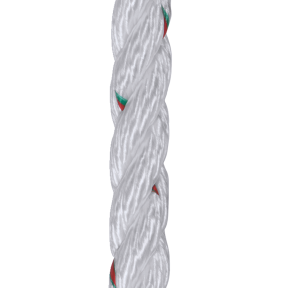
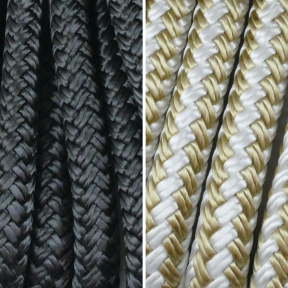
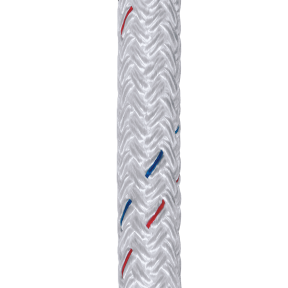
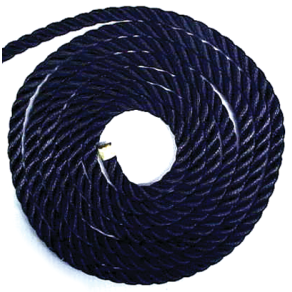
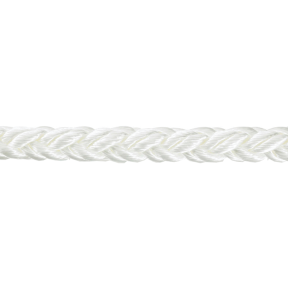
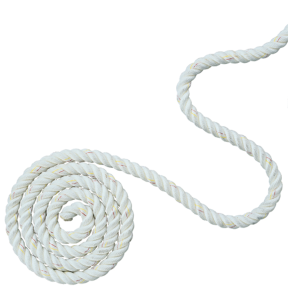
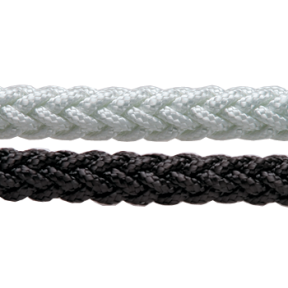
Three-strand twisted nylon is highly economical, offers great elongation, and is easy to splice, making it a traditional favorite for anchoring. Premium double braid nylon provides superior strength, remains flexible over time, runs smoothly through deck hawse pipes, and delivers a cleaner aesthetic on your boat.
What kind of anchor rope works best with an automatic windlass?
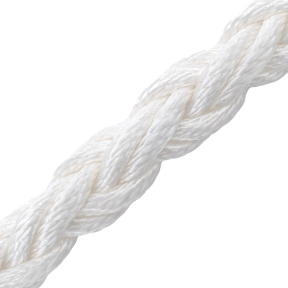
An eight-plait or twelve-strand plait rope, such as New England Ropes Mega Braid, works best with automatic windlasses because it resists kinking and flakes perfectly into small anchor lockers. Its unique braided construction grips the windlass gypsy securely without slipping or jamming during deployment and retrieval.
How do I choose the correct anchor line diameter for my boat?
As a baseline marine safety rule, you should select an anchor line diameter of at least 1/8 inch for every 8 to 10 feet of boat length, starting at a minimum floor of 3/8 inch for small pocket cruisers. For example, a typical 30-to-35-foot cruising boat safely requires a minimum line diameter of 1/2 inch nylon to handle dynamic environmental stresses and provide a safe working load limit.
Why do some anchor lines come with a prespliced chain section?
Anchor lines are prespliced with a galvanized or stainless steel chain section to provide maximum abrasion resistance against sharp rocks, coral, and seabed debris. The weight of the heavy marine chain also lowers the pull angle on the anchor, helping it set firmly into mud or sand.
Which top marine cordage brands are available for anchor rodes?
Fisheries Supply stocks specialized anchor lines from industry-leading cordage manufacturers, including Samson Rope, New England Ropes, Yale Cordage, and Sea-Dog Line. These commercial-grade manufacturers offer pre-cut anchor lines with stainless steel thimbles as well as bulk spools for custom rope-to-chain splicing configurations.
Is it necessary to use a chain with an anchor rope?
Yes, adding a length of galvanized chain between the anchor and the rope is highly recommended. The chain's weight helps the anchor lie flat to set properly and provides essential abrasion resistance against rocky or coral bottoms that could otherwise chafe and cut a nylon line.