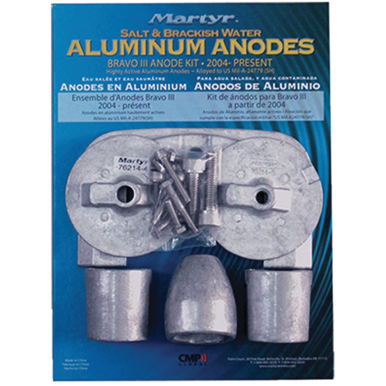
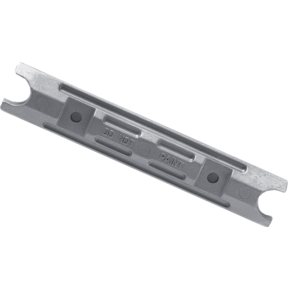
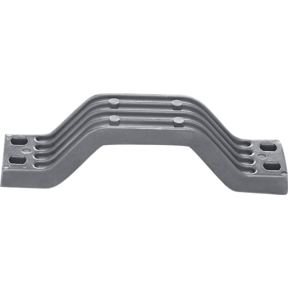
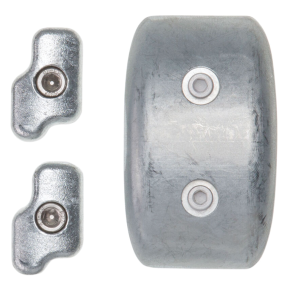
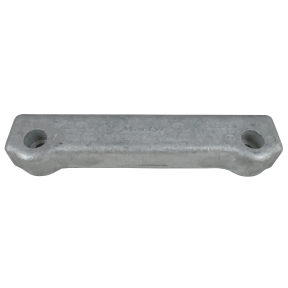
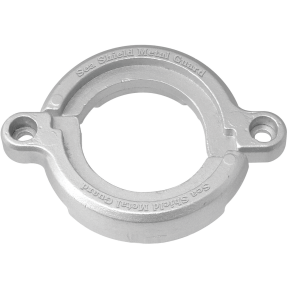
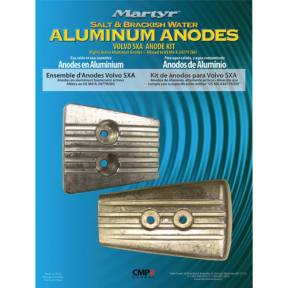
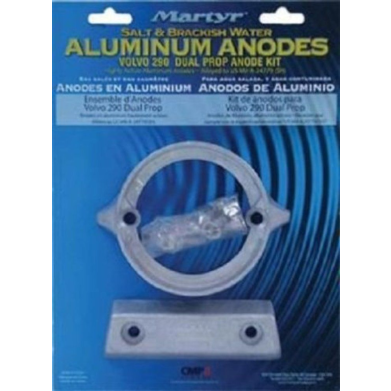
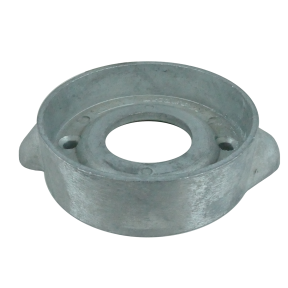
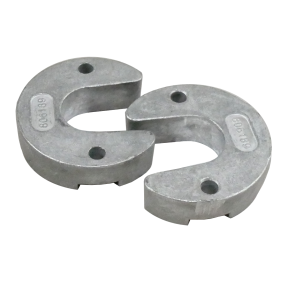
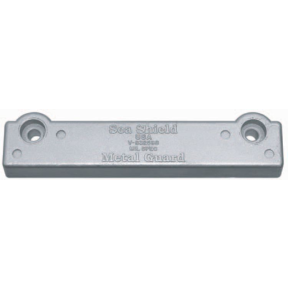
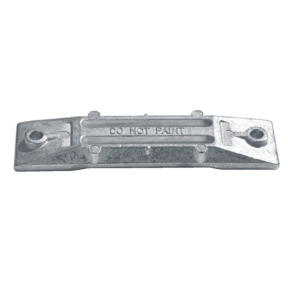
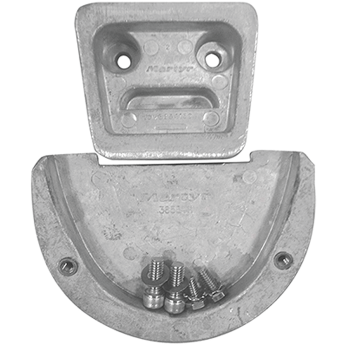
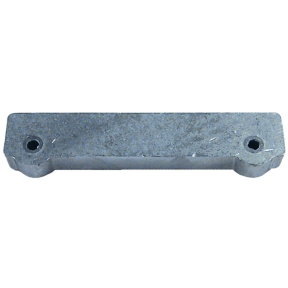
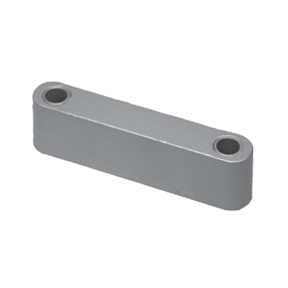
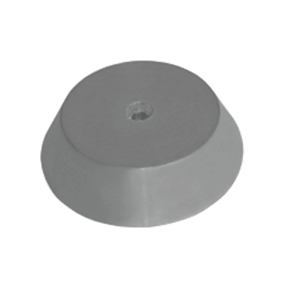
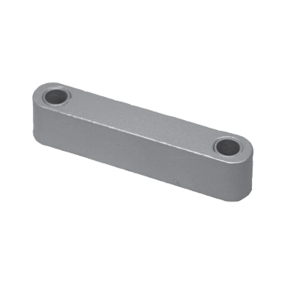
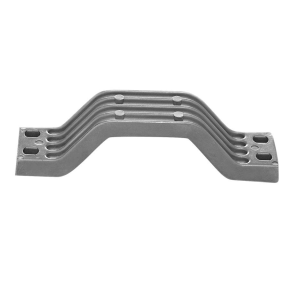
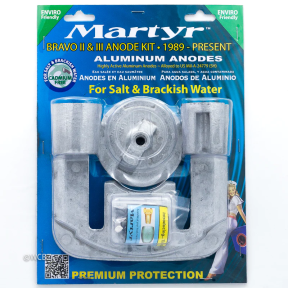
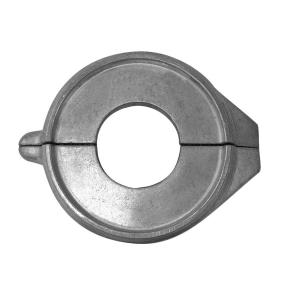
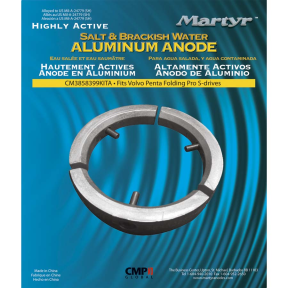
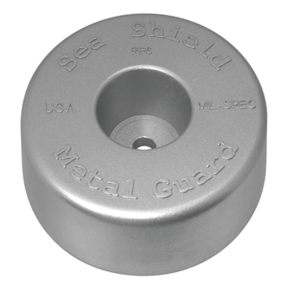
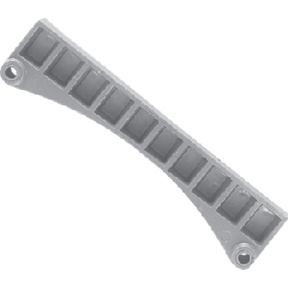
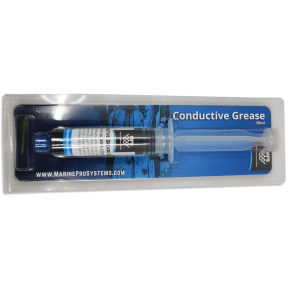
- Protect exposed metal parts on outboard motors and sterndrives.
- Reduce corrosion risk in raw-water cooling systems and submerged engine hardware.
- Help extend service life for powerheads, brackets, ventilation plates, and related metal components.
- Support routine preventive maintenance for saltwater, brackish water, and freshwater boating.
Outboard Motor and Sterndrive Anodes for Galvanic Corrosion Protection
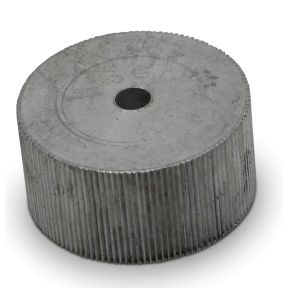
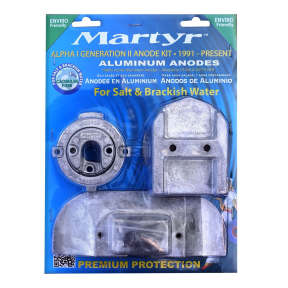
Outboard motor and sterndrive anodes protect aluminum, stainless steel, and other underwater engine metals from galvanic corrosion by sacrificing themselves before critical motor parts corrode. These marine engine sacrificial anodes are essential for boat owners maintaining outboard engines, sterndrives, internal cooling systems, transom brackets, ventilation plates, and powerheads across saltwater, brackish water, and freshwater environments.
What Outboard and Sterndrive Anodes Do
Outboard and sterndrive anodes are sacrificial metal components that help prevent galvanic corrosion on marine propulsion systems. When dissimilar metals are exposed to electrically conductive water, the anode corrodes first, helping preserve expensive motor components such as brackets, gearcases, powerheads, and internal cooling-system parts.
Common Outboard and Sterndrive Anode Locations
Anodes are installed in specific areas where metal components are most exposed to corrosion risk. Proper placement helps distribute sacrificial protection across the entire motor and drive assembly.
| Anode Location | Protected Area | Maintenance Note |
|---|---|---|
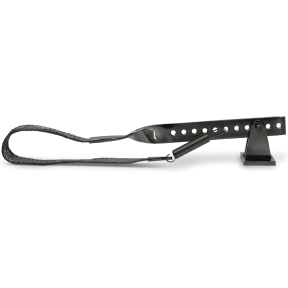
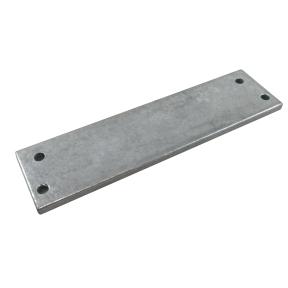
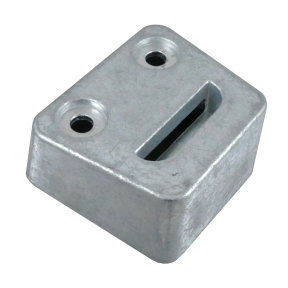
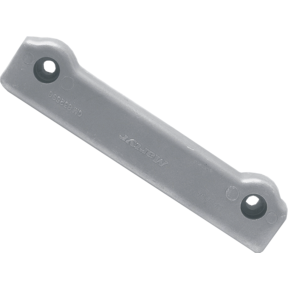
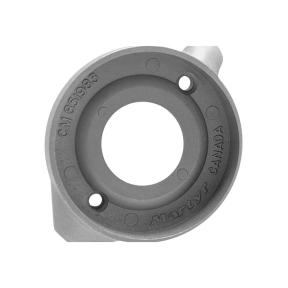
| Transom bracket | Protects the mounting bracket, tilt/trim assembly, and lower engine hardware from galvanic corrosion. | Inspect during routine motor checks, especially when the boat is kept in the water. Ensure the ground strap is intact. |
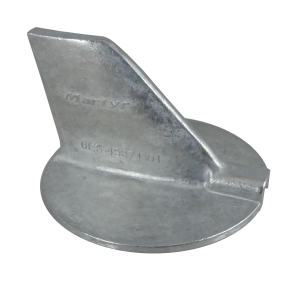
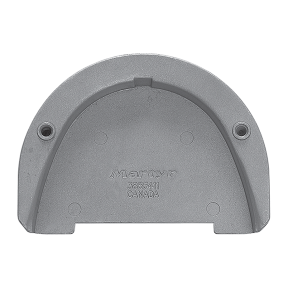
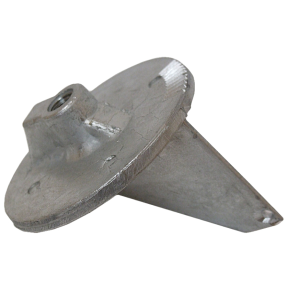
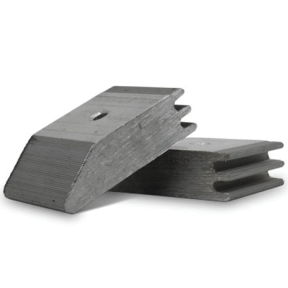
| Ventilation plate (or Gearcase cavity) | Protects lower-unit metal surfaces near the propeller and anti-ventilation plate. | Some anodes in this position are shaped as trim tabs to offset prop walk and aid tracking. Do not use if blocked by aftermarket hydrofoils. |
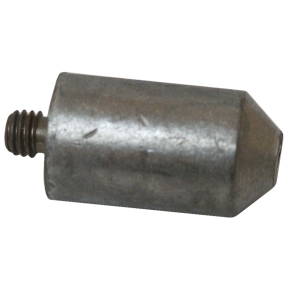
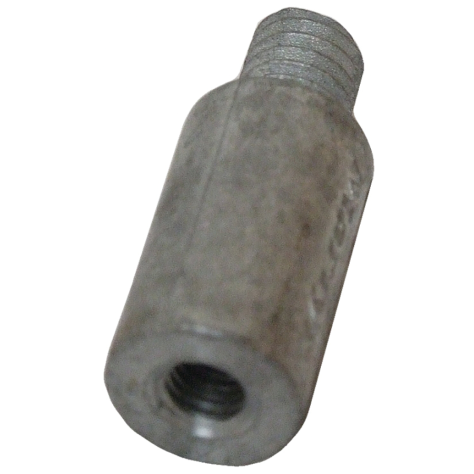
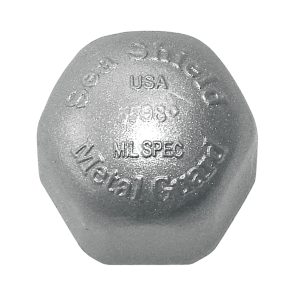
| Internal Cooling Passages | Protects internal engine blocks, cylinder heads, and heat exchangers exposed to raw water. | Often overlooked. These small pencil-style or button anodes reside under access plugs on the powerhead or exhaust manifold and require frequent inspection. |
When to Inspect and Replace Outboard Motor Anodes
Regular inspection is the most important step in marine engine maintenance. Worn anodes lose their ability to protect engine metals, which can lead to rapid internal motor corrosion and expensive structural failure.
- Inspect all outboard and sterndrive anodes periodically throughout the boating season.
- Replace anodes when they are approximately half worn (50% depleted).
- Replace anodes annually when usage, water conditions, or inspection history are uncertain.
- Never paint anodes, because coating the sacrificial metal completely blocks the electrical connection to the water, disabling the corrosion-protection process.
- Ensure clean, metal-to-metal contact between the anode and the engine housing when installing; clear away any oxidation or scale from the mounting surface first.
- Use replacement anodes designed for the specific motor brand, engine size, and mounting location.
Engine Brands and Replacement Compatibility
Replacement marine anodes must match the motor manufacturer, engine model, and installation point to fit correctly and maintain proper electrical bonding. Fisheries Supply carries premium replacement anodes tailored to major marine engine layouts.
- Mercury and Mariner outboard motor anodes
- MerCruiser sterndrive and transom shield anodes
- Volvo Penta sterndrive and sail-drive anodes
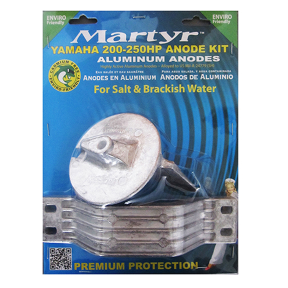
- Yamaha outboard engine anodes
- Honda marine outboard anodes
- Suzuki marine outboard anodes
- Tohatsu and Nissan outboard anodes
- Evirude and Johnson (OMC) replacement anodes
Frequently Asked Questions
What does an outboard motor anode do?
An outboard motor anode protects engine metals by corroding before the motor’s aluminum, stainless steel, and other metal components. This sacrificial process reduces galvanic corrosion on brackets, lower units, powerheads, cooling passages, and other exposed marine engine parts.
When should I replace outboard motor anodes?
Replace outboard motor anodes when they are about half worn or once per year, whichever comes first. Regular inspection is important because a depleted zinc, aluminum, or magnesium anode can no longer provide reliable sacrificial corrosion protection.
Where are anodes located on an outboard engine?
Outboard anodes are commonly located on the transom bracket, ventilation plate, lower-unit area, and internal cooling passages. Larger outboards and sterndrives include internal anodes that protect raw-water cooling-system components and powerhead passages from corrosion.
Why do some outboard anodes look like trim tabs?
Some outboard anodes also function as trim tabs because they are mounted beneath the ventilation plate directly above the propeller. This placement helps provide critical corrosion protection to the lower unit while also offsetting prop walk and supporting straighter boat tracking.
Can I use zinc anodes in freshwater environments?
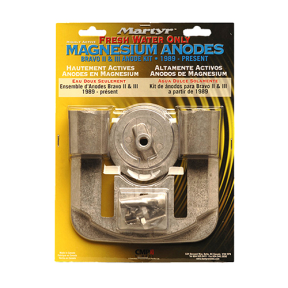
No. Zinc anodes should not be used in freshwater. In fresh water, zinc forms a hard, insulating layer of zinc oxide (passivation) that stops it from corroding, leaving your outboard engine completely unprotected. Use magnesium anodes for dedicated fresh water, or aluminum as a highly effective versatile option.
Which brands use replacement marine anodes?
Major marine propulsion brands rely on replacement anodes, including Mercury, MerCruiser, Volvo Penta, Yamaha, Honda, Suzuki, Tohatsu, and OMC. The correct replacement part depends on the exact engine configuration, anode location, and the water environment where you boat.
What happens if worn outboard anodes are not replaced?
If worn outboard anodes are not replaced, galvanic corrosion will attack expensive engine components instead of the sacrificial anode. This can destroy lower unit housings, pit propellers, compromise transom brackets, and breach internal cooling passages, resulting in severe structural failure and costly repairs.