
Understanding Boat Fairing Compounds and Marine Sealants
Whether restoring a classic cruiser or preparing a racing yacht for competition, achieving a smooth, fair surface is a foundational step in marine finishing.
What To Know
- Fairing creates smooth, paint-ready surfaces
- Polyester and epoxy compounds serve different repair needs
- Sealants protect seams from long-term moisture damage
- Material selection affects durability and finish quality
At Fisheries Supply , boaters can find a broad selection of marine fairing compounds and seam sealers suited for both cosmetic and structural work.
What Is Boat Fairing?
Boat fairing is the process of correcting surface irregularities on a hull or deck to create an even, continuous profile. Proper fairing improves paint adhesion and helps restore clean lines that support efficient hydrodynamics.
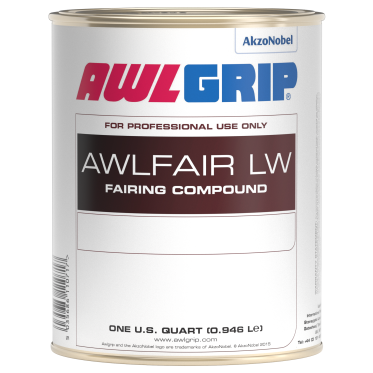
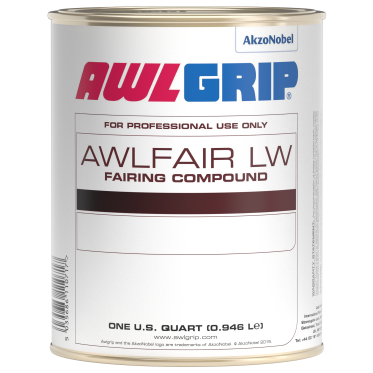
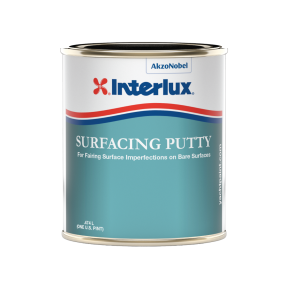
A fairing compound fills low spots, seams, and minor imperfections, preparing the substrate for primers and topcoats. For gelcoat-specific repairs, a purpose-built fairing compound for gelcoat can help achieve a consistent finish.
Types of Fairing Compounds
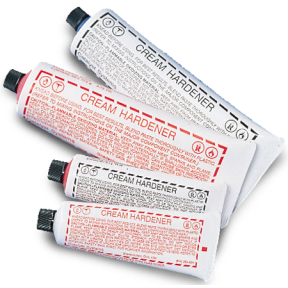
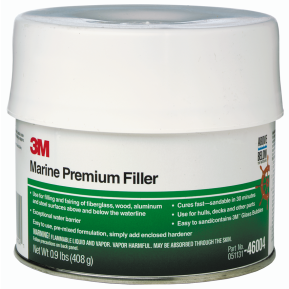
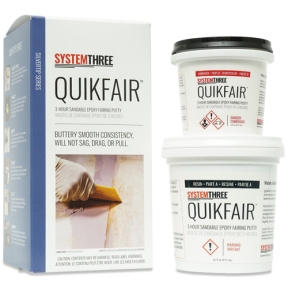
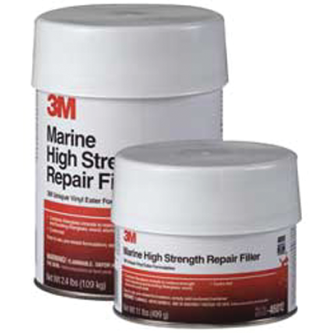
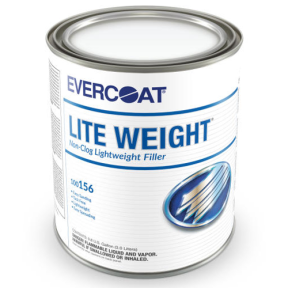
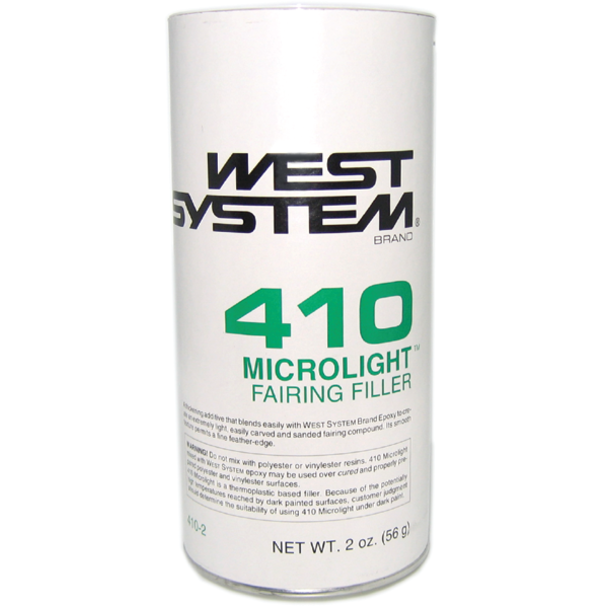
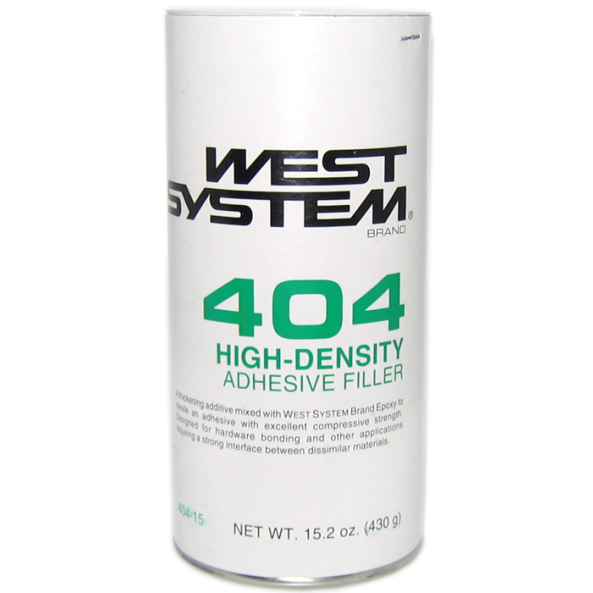
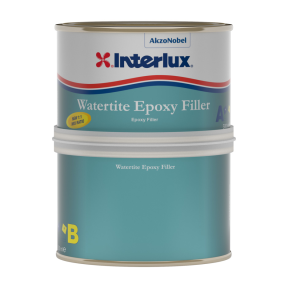
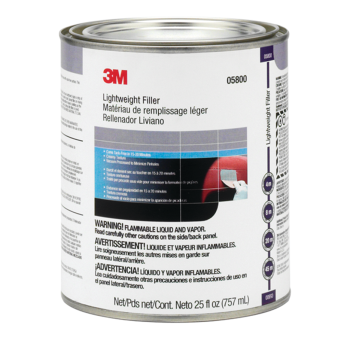
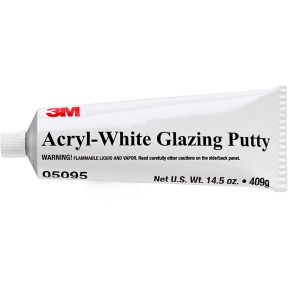
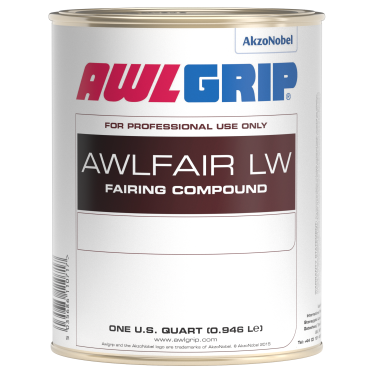
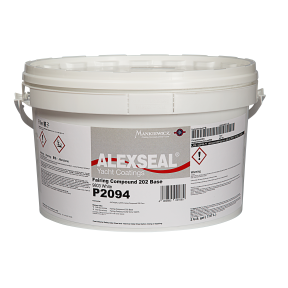
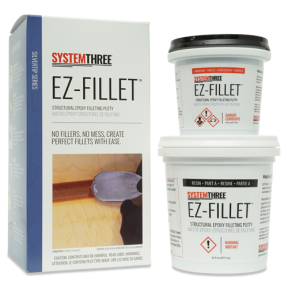
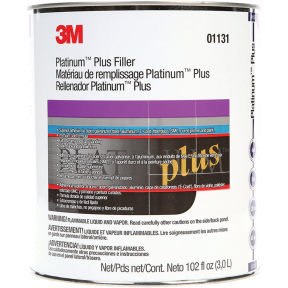
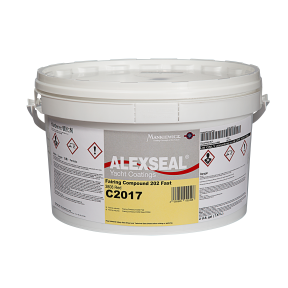
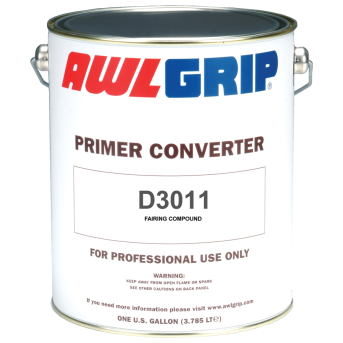
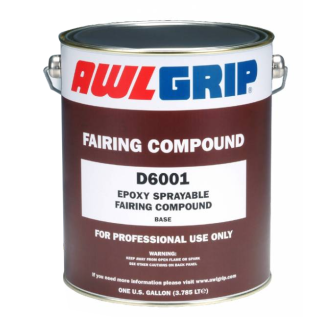
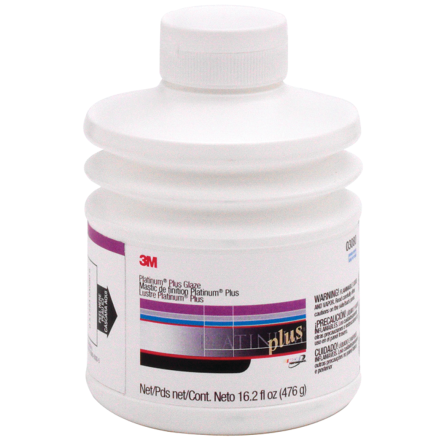
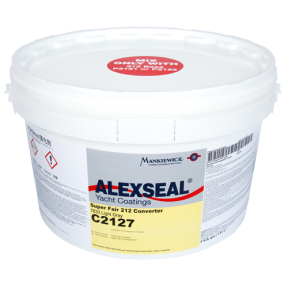
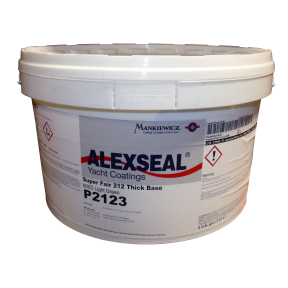
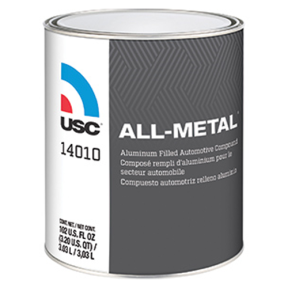
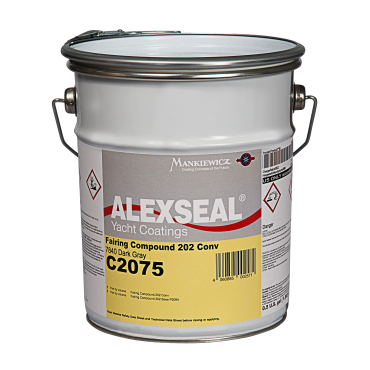
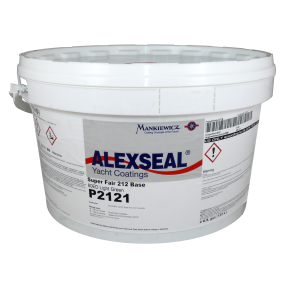
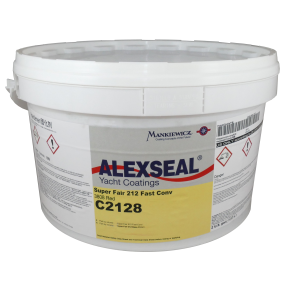
Different repair scenarios call for different materials. Fisheries Supply carries both polyester and epoxy fairing compounds, each with strengths suited to specific applications.
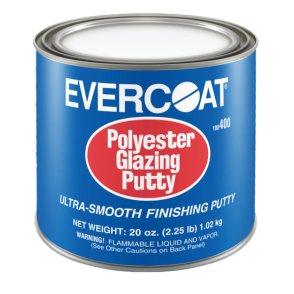
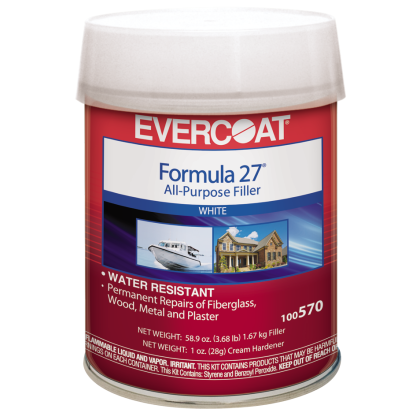
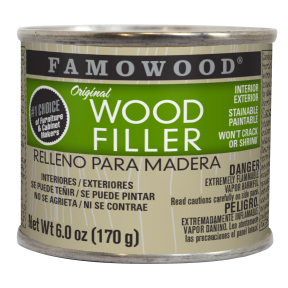
Polyester Fairing Compound- Best suited for above-the-waterline applications
- Fast curing for efficient repair cycles
- Easy sanding for cosmetic and spot repairs
- Cost-effective option for light-duty fairing
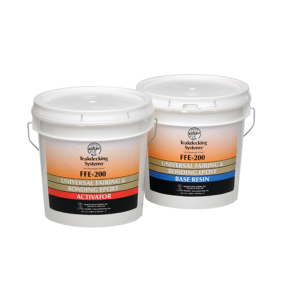
- Appropriate for above and below the waterline
- High adhesion and long-term durability
- Preferred for structural or extensive repairs
- Compatible with epoxy primers and coatings
Yacht fairing—including large-scale and superyacht applications—demands precision and consistency. Professional-grade marine fairing compounds are engineered to support controlled application and uniform results on larger boats.
Marine Sealants
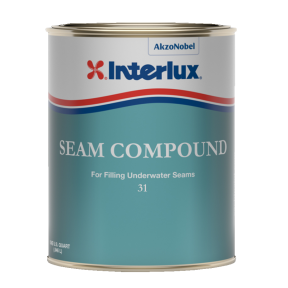
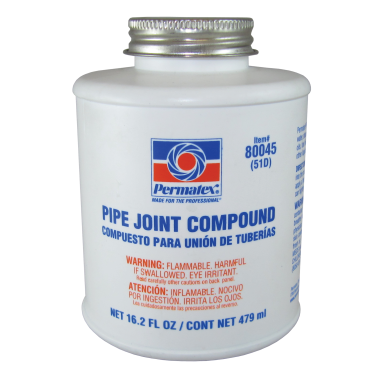
Fairing addresses surface shape, while marine sealants protect joints and seams from water intrusion. Used correctly, sealants are essential for maintaining the integrity of decks, fittings, and hull penetrations.
- Create a watertight barrier at seams and joints
- Reduce the risk of moisture-related rot and corrosion
Choosing the Right Fairing Compound for Your Boat
Selecting the right fairing compound depends on how and where it will be used. Taking time to match the material to the job helps ensure long-term performance and a clean final finish.
- Determine if the repair is above or below the waterline
- Assess the size and depth of the repair area
- Account for available curing and sanding time
Fisheries Supply’s product specialists can help match the right fairing solution to your project requirements. Once fairing is complete, pairing the surface with compatible boat primers supports long-lasting paint adhesion and finish quality.
Frequently Asked Questions
What is the difference between polyester and epoxy fairing compounds?
Polyester fairing compounds cure quickly and are cost-effective for above-waterline cosmetic repairs. Epoxy fairing compounds provide greater strength and adhesion, making them suitable for both above- and below-waterline applications.
Can gelcoat be applied directly over fairing compound?
Gelcoat should not be applied directly over cured fairing compound. A compatible epoxy barrier coat or primer is applied first to ensure proper adhesion.
How is fairing compound applied?
The surface is cleaned and sanded before mixing the compound according to manufacturer instructions. The material is applied with a spreader, allowed to cure, and then sanded smooth prior to finishing.
Can fairing compounds be used for structural repairs?
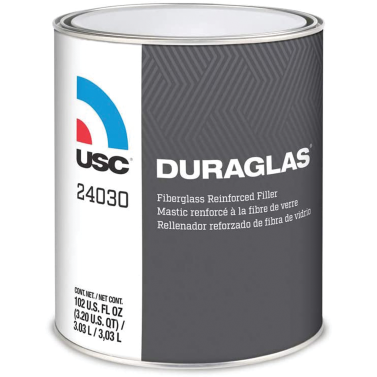
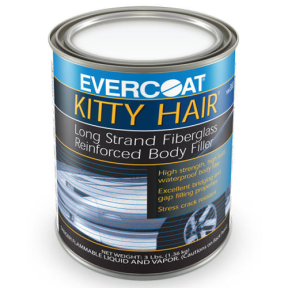
Standard fairing compounds are designed for cosmetic leveling and smoothing surface imperfections like dings or gouges. For structural voids or holes that penetrate the substrate, you should use a reinforced structural filler or a fiber-reinforced plastic (FRP) repair method before applying a fairing compound for the final finish.
How do I know when a two-part fairing compound is properly mixed?
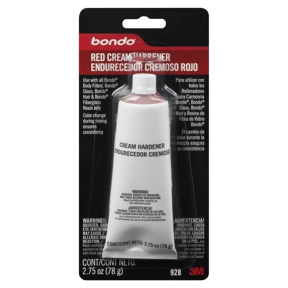
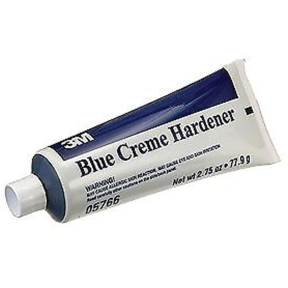
Many modern fairing compounds use color-coded components (such as a yellow resin and blue hardener) to assist the user. You should mix the two parts thoroughly until the putty reaches a uniform, solid color with no visible streaks, ensuring the chemical reaction is consistent throughout the batch.
What is a seam compound used for compared to a fairing compound?
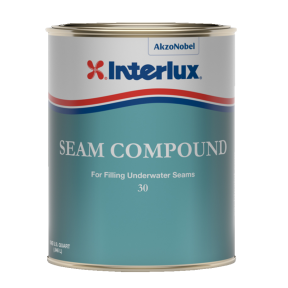
While fairing compounds are meant to stay rigid and be sanded smooth, seam compounds are designed to remain flexible. They are specifically used to fill joints between planks or keel joints that may expand and contract. This flexibility prevents the sealant from cracking or popping out as the boat’s structure moves or "works" in the water.