Marine Window Defoggers and Spot Defrosters for Boat Visibility
Marine window defoggers and compact electric spot defrosters help boat operators maintain clear visibility through localized windshield sections in damp, humid, or early-morning conditions. This category features auxiliary 12V and 24V DC electric defoggers designed for targeted, single-pane moisture mitigation at the primary helm station.
Window and Windshield Defogger Product Types
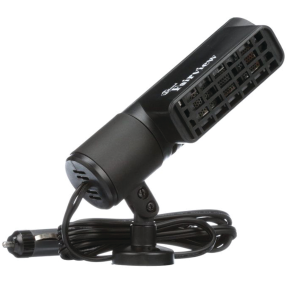
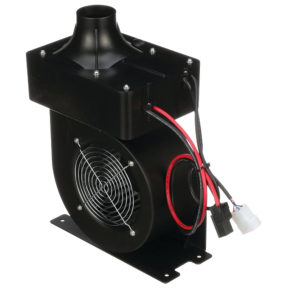
Auxiliary Electric Boat Window Defoggers
Auxiliary electric boat window defoggers are low-CFM, compact devices engineered specifically to clear internal condensation from individual glass or acrylic windshield panels directly in front of the helm. Due to their compact size, these electrical units provide localized airflow for spot-clearing rather than ambient cabin climate control.
Ideal for managing rapid moisture buildup on forward-facing glass at the helm station.
Provides localized, targeted air movement to help maintain a clear sightline while underway.
Features space-saving footprints designed for tight dash installations or bracket mounting.
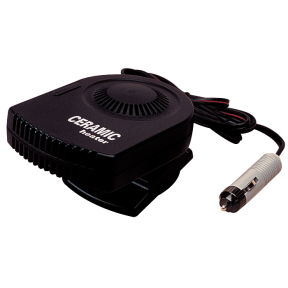
12V Ceramic Spot Defrosters
Ceramic window defrosters use small, internal heating elements to deliver focused, warm airflow across a single window pane. These units assist in accelerating evaporation on the interior glass surface during shoulder-season mornings when the outside water temperature is significantly colder than the damp cabin air.
Accelerates the removal of stubborn interior condensation before casting off.
Serves as a compact, supplemental spot-clearing tool for the operator's primary viewing angle.
Operates independently of engine heat, making it functional prior to engine warm-up.
How to Choose the Right Defogger for Your Boat
Selecting an auxiliary marine defogger requires balancing the physical size of your viewing glass with the electrical realities of your boat's DC distribution system. Because small ceramic heaters pull substantial continuous current, confirming electrical capacity is critical to ensure safe, reliable operation without overloading helm electronics.
Selection Factor
What to Check
Why It Matters
Continuous Amperage & Power Draw
Verify the unit's exact amperage draw (typically 10A to 15A for ceramic models) against your helm's available circuit capacity.
High continuous current requires dedicated, correctly sized circuit breakers and heavy-gauge wire to prevent severe voltage drop, tripped breakers, or overheated connections.
System Voltage
Confirm whether your boat's house/accessory bank is a 12V DC or 24V DC system.
Voltage compatibility ensures proper fan speed, safety compliance, and prevents immediate damage to the internal heating elements.
Physical Footprint & Mounting
Measure available dashboard depth, bracket clearance, and proximity to the glass surface.
Defoggers must be securely fastened to handle marine vibration without shifting, blocking helm instrumentation, or impeding the physical operation of steering mechanisms.
Glass Surface Area
Assess the dimensions of the primary windshield panel directly in front of the operator.
Compact DC electric defoggers provide localized, small-scale airflow; large multi-panel windshields or complete pilothouses require robust, engine-jacket water heat exchangers or AC-powered systems.
Featured Brands and Popular Marine Defroster Options
Fisheries Supply stocks auxiliary marine defoggers from trusted industry manufacturers including Caframo and Sea-Dog Line. These brands engineer compact, marine-grade solutions designed to assist with localized helm visibility.
Caframo Marine Defoggers: Caframo defoggers provide specialized, compact electric airflow solutions for targeted windshield and cabin window placement. Their compact ceramic window models provide localized warmth to help accelerate condensation clearance at the helm.
Installation, ABYC Compliance, and Maintenance Realities
Proper installation of high-amperage 12V/24V DC electrical equipment is essential for safety. In compliance with ABYC E-11 standards, all auxiliary defoggers must be protected by an appropriately sized fuse or circuit breaker rated for continuous duty. Avoid plugging high-draw ceramic units into standard, lightweight utility cigarette-lighter sockets, which can overheat or cause a drop in system voltage under a constant 12-to-15 amp load. Instead, hardwire the unit directly to a dedicated marine switch panel using marine-grade, tinned-copper wire sized accurately for the total length of the circuit run. Mount the unit securely using through-bolts or heavy-duty marine fasteners to withstand hull pounding and vibration. Keep glass surfaces clean, as salt film and grime retain moisture, accelerating fog formation and reducing defogger efficiency.
Frequently Asked Questions
What does a compact marine window defroster do on a boat?
A compact marine window defroster uses focused airflow and localized heat to clear condensation, fog, and light morning moisture from a specific section of the boat's windshield. It is designed to preserve a clear, safe line of sight for the helmsman during high-humidity, early-morning, or damp shoulder-season conditions.
Can a 12V or 24V electric defroster clear my entire enclosed pilothouse?
No. Compact 12V and 24V electric defrosters are engineered strictly for localized spot-clearing of the primary window pane directly in front of the helm station. Because of their limited CFM and the strict amp-draw constraints of a boat's DC electrical system, clearing entire multi-window enclosures or heating a whole cabin requires robust engine-jacket water heat-exchangers or diesel-fired hydronic heating systems.
What are the critical electrical requirements for installing a marine ceramic defroster?
Because marine ceramic defrosters can draw between 10A and 15A continuously, they require careful circuit planning. In alignment with ABYC E-11 guidelines, you must verify that the circuit's marine-grade tinned wire ($AWG$) and dedicated overcurrent protection (fuse or circuit breaker) are fully rated for continuous high amperage to prevent voltage drops and fire hazards. Hardwiring the unit to a dedicated circuit is highly recommended over using temporary utility plugs.
What is the functional difference between a defroster and a defogger?
A defroster incorporates a dedicated heating element alongside a fan to elevate the glass temperature and evaporate heavy condensation or light frost. A defogger generally relies primarily on moving ambient cabin air across the surface to break up dew and moisture film. Compact marine DC units typically combine both functions by blowing low-CFM, warm air directly onto a targeted pane of glass.
Where is the safest place to install a boat windshield defogger?
A boat defogger should be securely hard-mounted on the dashboard or an adjacent structural bulkhead where its airflow can directly bathe the primary operator visibility pane. It must be mechanically fastened to handle rough seas and vibration, positioned so it does not block navigation electronics or helm controls, and wired so that heavy DC power cables are routed clear of steering columns or sharp edges.
Which manufacturers offer marine-specific spot defogging products?
Caframo and Sea-Dog Line are established manufacturers of compact, corrosion-resistant marine window defoggers and auxiliary ceramic heaters. Fisheries Supply carries specialized options from these brands, including the Sea-Dog Line 12V ceramic windshield defogger (Part #450150-1) and Caframo mini-electric ceramic heating units tailored for onboard spot visibility.