

Boat Paint Respirators and Dust Masks at Fisheries Supply
Safe boat maintenance starts with proper respiratory protection. Painting, sanding, and surface preparation can expose boaters and marine professionals to hazardous fumes, solvents, and fine particulates.
Key Takeaways
- Use paint respirators for fumes and chemical vapors.
- Use dust masks for sanding and surface preparation.
- Proper fit is critical for effective protection.
- Choose filtration based on the specific task.
Fisheries Supply offers a good selection of boat paint respirators, dust masks, and related safety gear designed for common marine maintenance and repair tasks.
Our Selection of Respiratory Protection
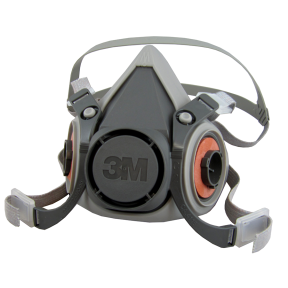
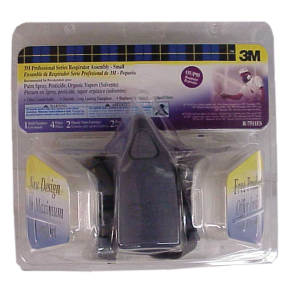
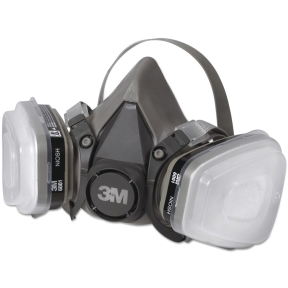
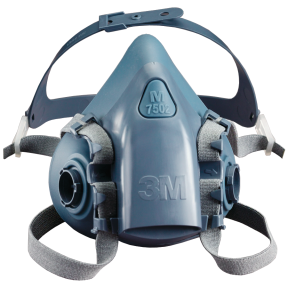
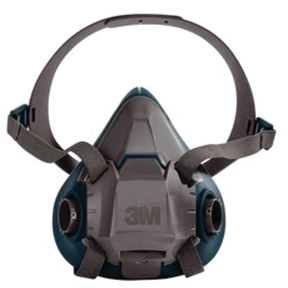
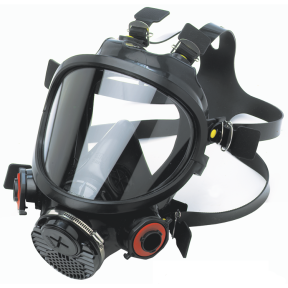
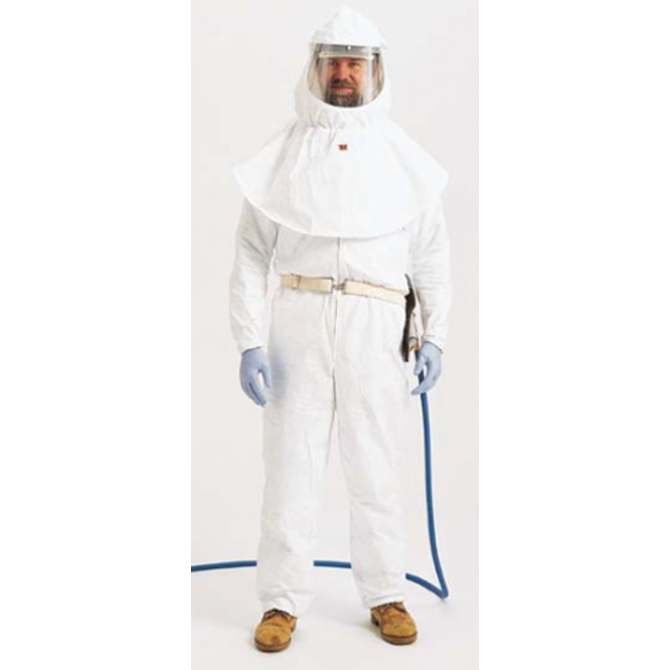
Boat paint respirators are designed to protect against harmful vapors, fumes, and airborne chemicals released during painting and coating applications. These systems are commonly used for topside painting, hull work, and interior refinishing.
- Purpose: Protection from paint fumes, solvents, and chemical vapors.
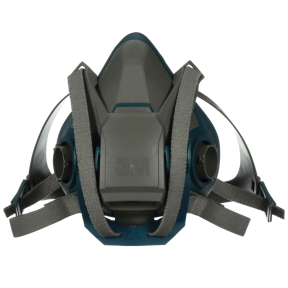
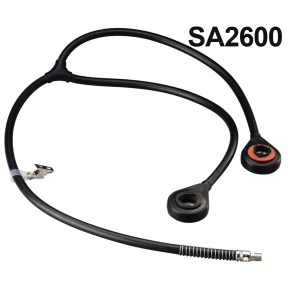
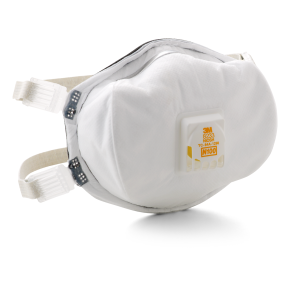
- Types: Full-face respirators, half-mask respirators, and powered air-supplied respirators.
- Key features: Secure sealing surfaces, effective filtration, and comfort for extended use.
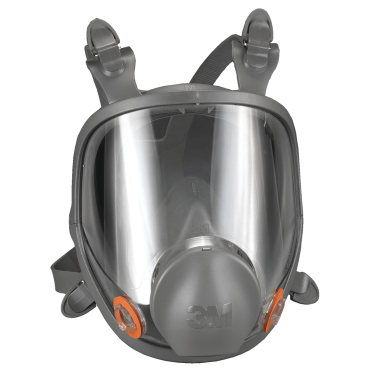
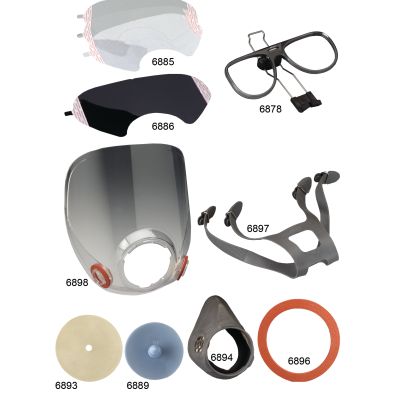
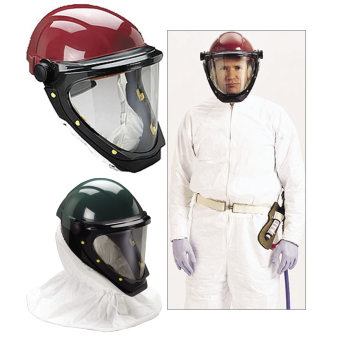
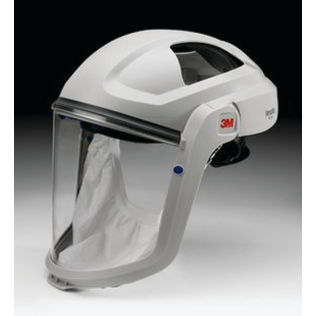
Full-face paint respirators also provide integrated eye and face protection, helping shield against splashes and airborne debris during maintenance work.
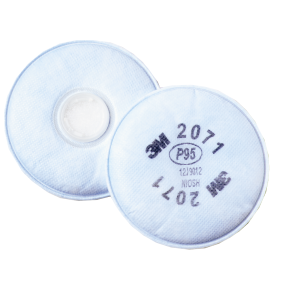
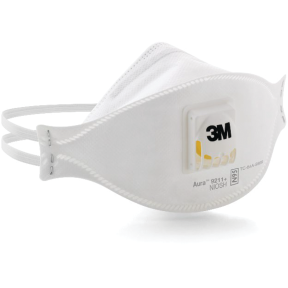
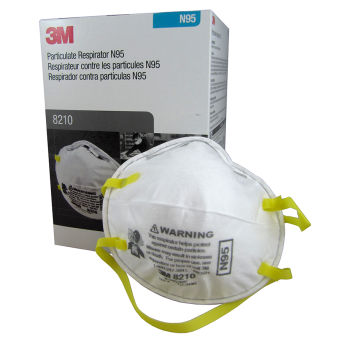
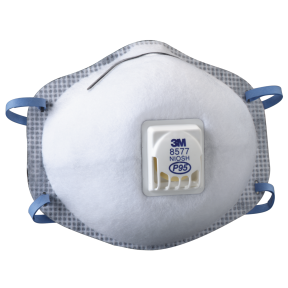
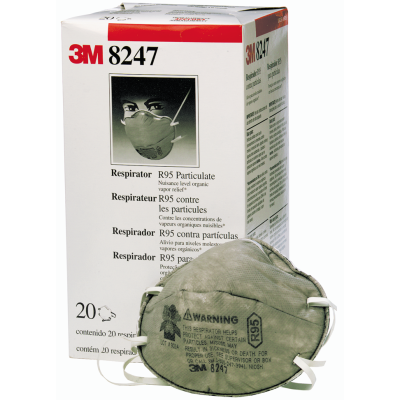
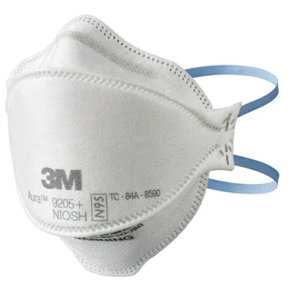
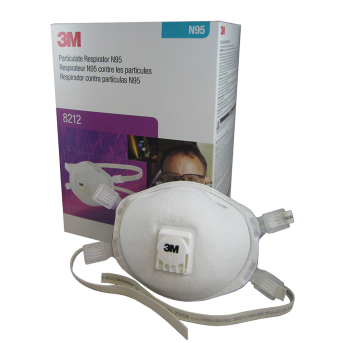
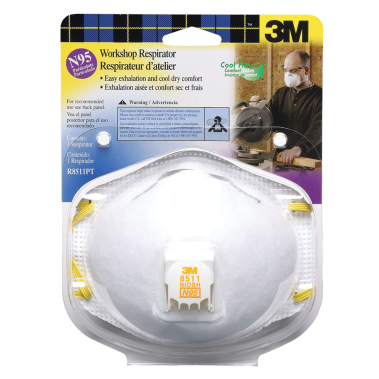
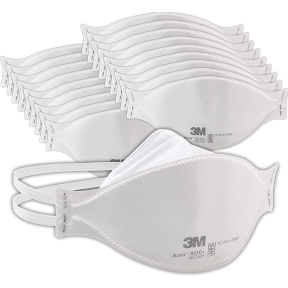
Dust masks are used during sanding, grinding, and surface preparation to reduce inhalation of fine particles. Proper particulate filtration is an important part of protecting lung health during routine marine repair tasks.
- Purpose: Blocking dust and solid airborne particles.
- Types: Disposable particulate masks and reusable masks with replaceable filters.
- Key features: Secure fit, high filtration efficiency, and breathability.
Boat face masks can be used across a range of maintenance activities, offering practical protection where chemical vapor filtration is not required.
Choosing the Right Protective Gear
Selecting the correct respirator or dust mask depends on the task, materials used, and working conditions aboard the boat. A well-chosen system improves both safety and usability.
- Fit and comfort: A proper seal and comfortable design support extended wear.
- Filtration efficiency: Match filters to the specific hazards involved.
- Durability: Materials should withstand moisture and marine environments.
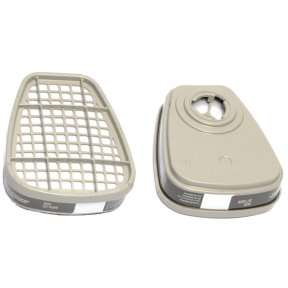
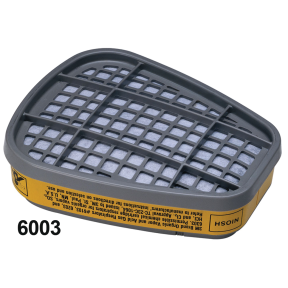
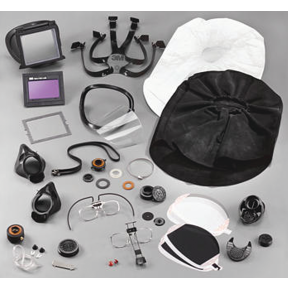
Fisheries Supply stocks marine dust masks and respirators for a wide range of repair jobs, from disposable particulate filters to full-face marine paint respirators and compatible replacement cartridges.
Frequently Asked Questions
How do I ensure my respirator fits correctly?
To ensure a secure fit, select the correct size, adjust the straps for a snug seal, and perform a user seal check each time to confirm that air is not leaking around the edges. Fit testing is required for workplace respirators.
What is the difference between a paint respirator and a dust mask?
A paint respirator filters chemical vapors and airborne particulates, while a dust mask is designed primarily to block solid particles and is not suitable for volatile solvents.
How often should respirator filters be replaced?
Filters should be replaced when breathing becomes difficult, when they are visibly dirty or damaged, when odors pass through, or after exposure to hazardous substances. Manufacturers may also specify time or usage limits.
Is a full-face respirator better than a half-mask for marine painting?
Full-face respirators provide additional eye protection and a more complete seal, making them especially useful for spray painting, overhead work, or confined spaces such as bilges.
What is the difference between N, R, and P-series particulate filters?
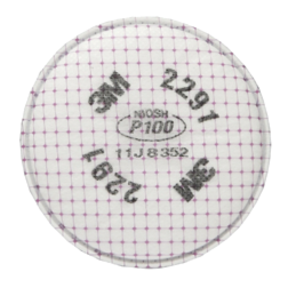
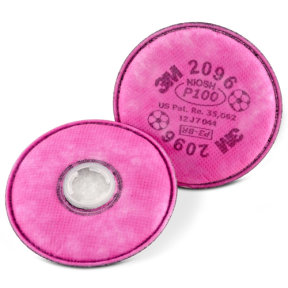
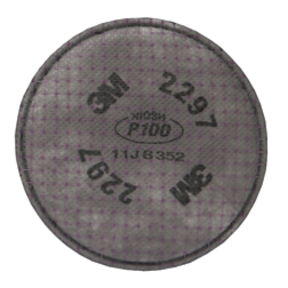
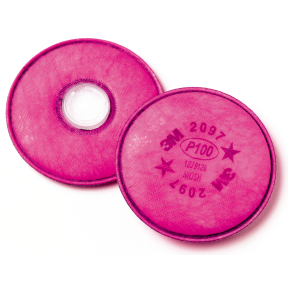
These NIOSH ratings indicate oil resistance: "N" filters are not resistant to oil, "R" filters are somewhat resistant to oil (typically for a single shift), and "P" filters are strongly resistant or "oil-proof." For marine maintenance tasks involving oil-based solvents or resins, a P-rated filter like the 3M 2097 is generally recommended.
How do I choose between a half-face and a full-face respirator?
Half-face respirators are compact and suitable for most sanding and painting tasks when paired with goggles. Full-face respirators, such as the 3M 6000 or 7800S series, provide integrated eye protection and are preferred for heavy-duty grinding or chemical spraying where splashes and high concentrations of vapors may irritate the eyes.
Can particulate filters protect against paint fumes and chemical vapors?
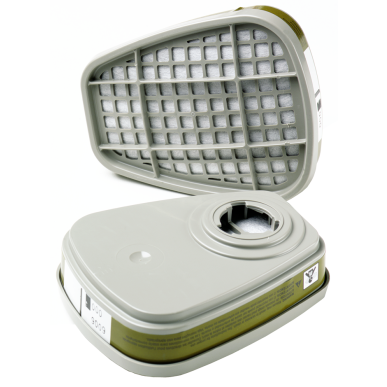
Standard particulate filters only trap physical particles like dust and fiberglass. To protect against organic vapors from boat paint or solvents, you must use a chemical cartridge. However, some advanced filters like the P100 2097 include a carbon layer to provide relief from "nuisance-level" odors and vapors.
Why is the 3M 7500 series often preferred over the 6000 series?
The 7500 Professional series features a softer silicone facepiece for better comfort during long work sessions and a unique downward-facing exhaust valve. This valve design directs exhaled breath away from eyewear, significantly reducing the fogging of safety glasses or goggles.
How do I attach a particulate filter to a vapor cartridge?
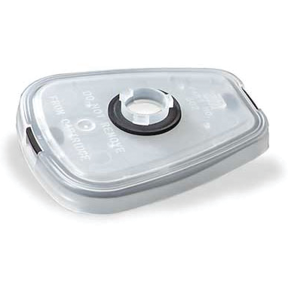
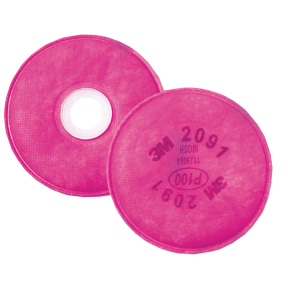
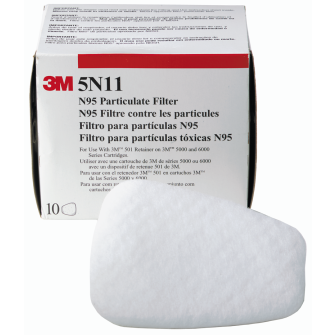
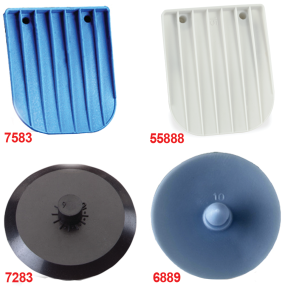
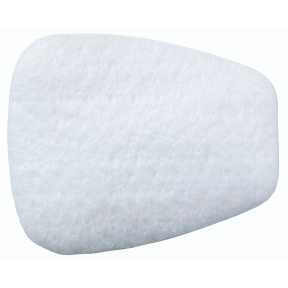
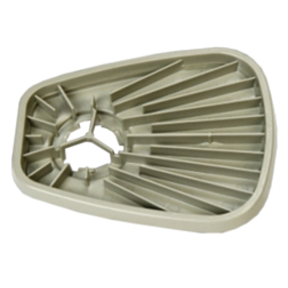
To combine protection, oblong particulate filters (like the N95 5N11) require a #501 filter retainer to snap onto a vapor cartridge. Round filters (like the P100 2091) can be attached directly to the respirator's bayonet fitting or onto a vapor cartridge using a #502 bayonet adapter.