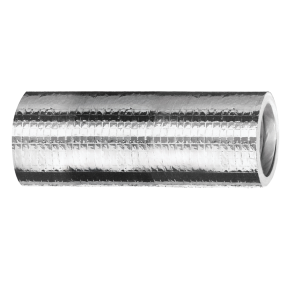
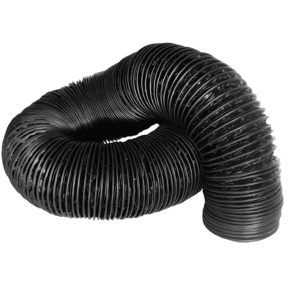
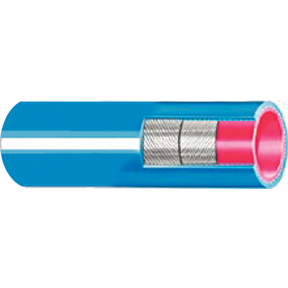
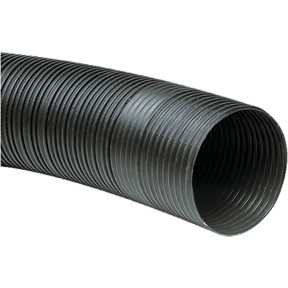
Marine Ventilation and Blower Hoses at Fisheries Supply
Marine ventilation and blower hoses play a direct role in onboard safety and comfort.
What To Know
- Marine blower hoses support safe airflow in confined onboard spaces.
- Material and reinforcement affect flexibility, durability, and heat resistance.
- Correct hose sizing ensures proper performance and easier installation.
- Marine-grade hoses outperform household alternatives in demanding conditions.
Properly selected marine ventilation hoses supply healthier air quality and more reliable equipment operation. Whether you are maintaining an existing system or installing new ducting, hose material, size, and construction all matter.
Why Marine Blower Hoses Matter
- Fume removal: Helps clear fuel vapors and exhaust gases from enclosed spaces.
- Temperature control: Moves hot air out of engine rooms and machinery spaces.
- Moisture reduction: Improves air circulation to limit condensation and damp conditions.
- Marine durability: Built to resist corrosion, chemicals, and vibration common onboard.
Types of Marine Ventilation Hoses
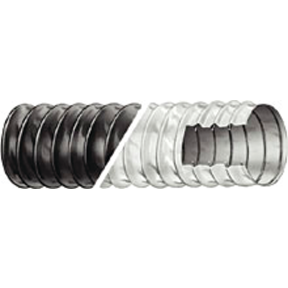
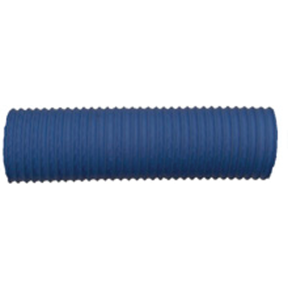
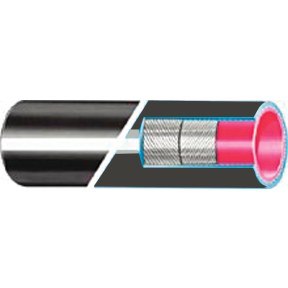
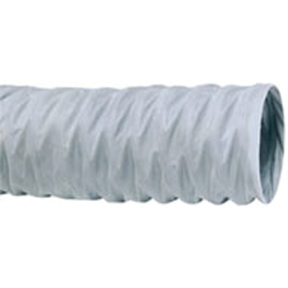
Marine ventilation hoses are manufactured in a range of materials and diameters to suit different installations. Flexibility, crush resistance, and long-term durability are key considerations when selecting a hose.
Common Materials
- PVC (polyvinyl chloride): Lightweight and flexible for general ventilation runs.
- Vinyl-coated polyester fabric: Balances flexibility with abrasion resistance.
- Rubber: Offers higher heat and chemical resistance in demanding spaces.
- Wire-reinforced constructions: Maintain shape through tight bends and longer runs.
Available Sizes
Popular sizes such as 4-inch marine blower hose are commonly used, with inside diameters typically available from 1/4 inch up to 8 inches to match specific blower and ducting requirements.
Choosing the Right Hose for Your Boat
Selecting the correct ventilation or blower hose starts with understanding where and how it will be used. Engine rooms, bilges, and cabin spaces often place different demands on hose material and flexibility.
- Identify the application: Engine room, bilge ventilation, or cabin airflow.
- Match the material: Choose resistance suited to heat, oil, or moisture exposure.
- Confirm hose diameter: Ensure compatibility with blowers and existing ducting.
- Plan for routing: Flexible ducting simplifies installation in tight spaces.
Why Choose Fisheries Supply
Fisheries Supply is a long-standing supplier of marine ventilation hoses and blower components, serving recreational boaters, DIY owners, and professional installers.
- Trusted manufacturers: Products from Trident Marine, Vetus, and Heater Craft.
- Large inventory: Options for bilge ventilation, engine rooms, and heater ducting.
- Knowledgeable support: Staff available to help match hose type to application.
Frequently Asked Questions
What materials are marine ventilation hoses made from?
Marine ventilation hoses are typically made from flexible, abrasion-resistant plastics, rubber, or wire-reinforced compounds designed to withstand marine environments.
Can a household dryer hose be used for marine ventilation?
No. Marine-grade ventilation hoses are thicker and more resistant to abrasion, oil, and heat, and they maintain their shape better than standard dryer hoses, making them safer for onboard use.
Why should I use marine-grade ventilation hose instead of a standard dryer vent?
Marine-grade hoses are specifically engineered to withstand the demanding conditions of a boat, including exposure to oil, chemicals, and saltwater. Unlike standard dryer vents, they are typically thicker and more durable, ensuring they maintain their shape and do not collapse under pressure or vibration. This is critical for safety, as it prevents the buildup of dangerous fumes or carbon monoxide in enclosed spaces.
What are the most common sizes for boat blower and ventilation hoses?
The most common sizes for recreational marine applications are 3-inch and 4-inch internal diameters (I.D.). Smaller boats often utilize 3-inch hoses, while larger boats or high-capacity bilge blowers typically require 4-inch hoses to ensure adequate airflow. It is essential to match the hose diameter to your specific blower and flange fittings to maintain system efficiency.
When should I choose wire-reinforced ventilation hose over standard PVC?
Wire-reinforced hoses are ideal for installations involving sharp bends or long runs where a standard hose might kink or collapse. The internal wire helix provides crush resistance and ensures the hose maintains its full diameter, which is vital for providing consistent, unrestricted airflow to remove heat and fumes from engine compartments.
How often should I inspect and replace my marine ventilation hoses?
You should inspect your ventilation hoses at least once a season for signs of wear, such as cracks, brittle spots, or loose connections at the flanges. Because these hoses are critical for removing toxic gas and preventing explosions in gasoline engine compartments, they should be replaced immediately if any physical degradation is found or after any major engine overheat event.
Can these ventilation hoses be used for wet exhaust systems?
No, standard ventilation and blower hoses are designed for air movement and are not rated to handle the high temperatures, water pressure, or corrosive gasses found in a wet exhaust system. For exhaust applications, you must use hoses that meet SAE J2006 or ISO 13363 standards, which are specifically built for wet exhaust service.