Protect Your Marine Engine with Premium Boat Motor Paint
Protecting a marine engine starts with the right coating. Fisheries Supply offers a focused selection of boat motor paint designed to help prevent corrosion while restoring a clean, professional appearance.
At a Glance
- Marine engine paint helps protect against corrosion and wear.
- OEM-matched colors support a consistent factory appearance.
- Different paint types address temperature, durability, and surface needs.
Our inventory includes options for both outboard motors and diesel marine engines, covering common repainting, touch-up, and refurbishment needs.
What type of paint should I use on an outboard motor?
Use marine-grade engine paint or OEM-matched outboard motor paint designed for the conditions your motor sees, including saltwater exposure, UV light, and engine heat. Match the coating to the surface being refinished, such as the cowling, engine block, or lower unit.
Why Choose Marine-Grade Boat Engine Paint?
- Corrosion protection against moisture, salt air, and demanding environments.
- Improved appearance that helps engines look well-maintained.
- Fast-drying, user-friendly formulas suited for DIY and professional use.
Marine engine paints are formulated specifically for the temperature ranges and exposure conditions found in engine bays and on outboard housings.
Moeller Marine Engine Paint Products
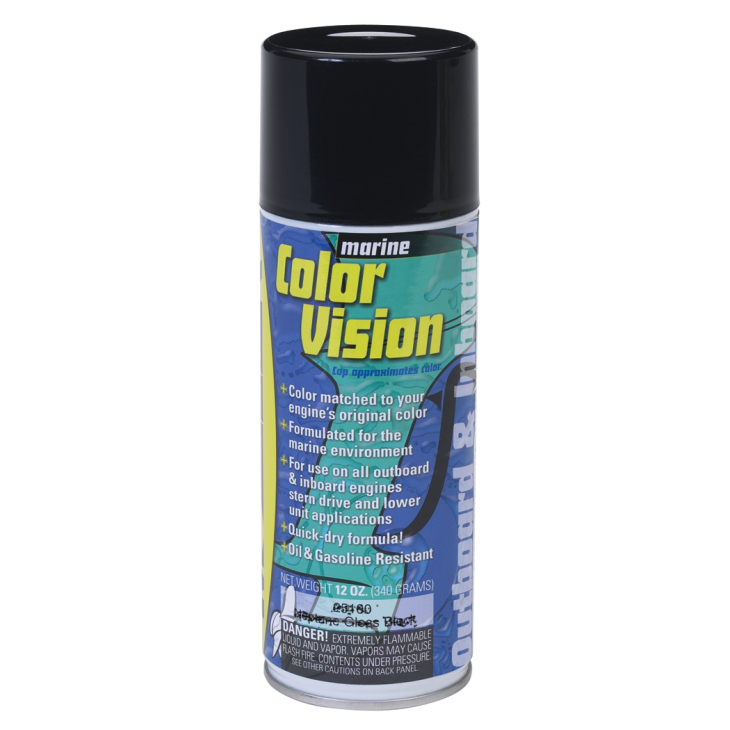
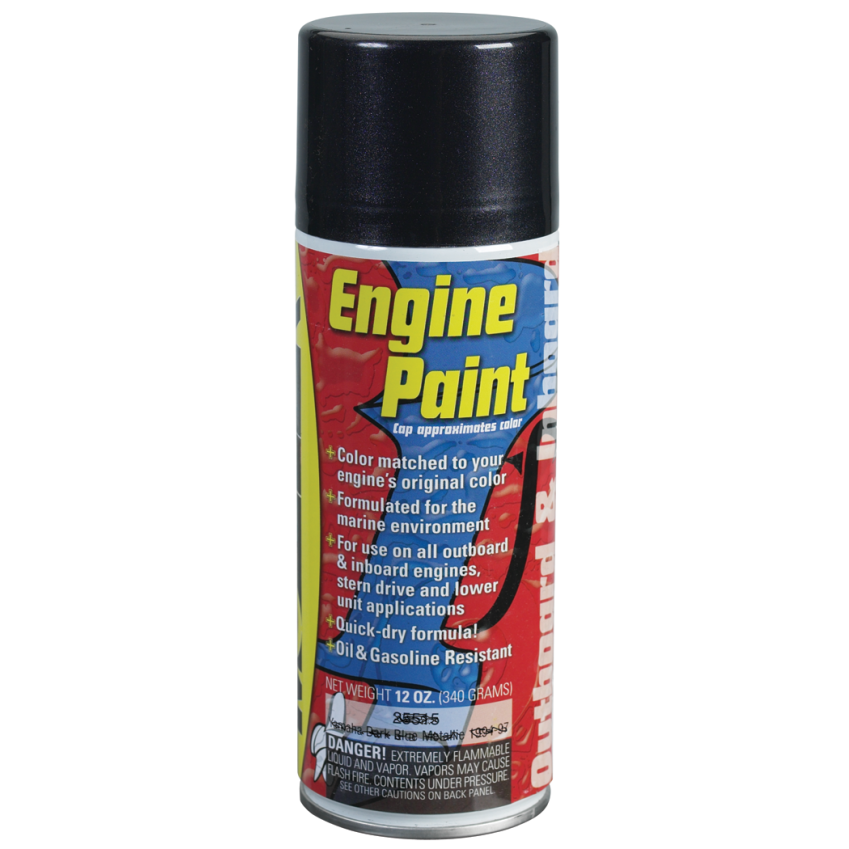
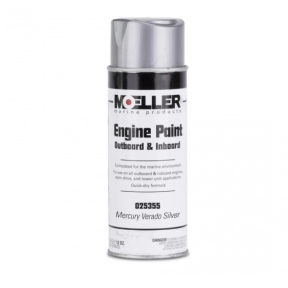
A popular option in this category is Moeller Marine engine paint. These paints are formulated to match original equipment manufacturer (OEM) colors, making them well-suited for outboard motor refinishing and touch-up work.
OEM color matching helps maintain a consistent factory appearance while providing durable protection.
Diverse Range of Marine Spray Paints
Different engines and repair scenarios call for different coatings. The available selection includes:
- Acrylic marine outboard paint for general-purpose applications.
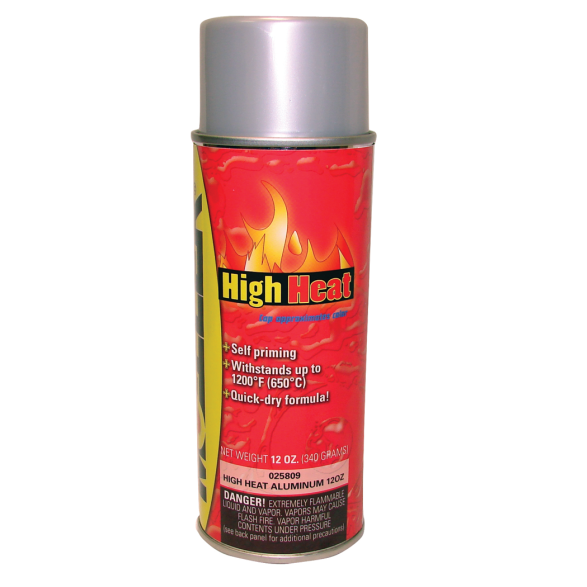
- High-temperature paint for engine blocks and exhaust components.
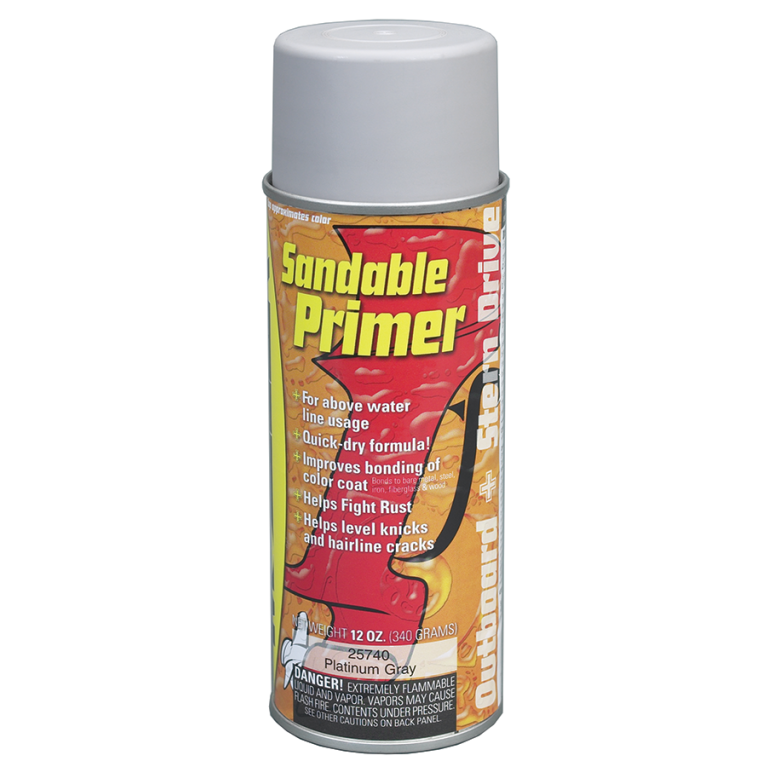
- Sandable primers to level minor nicks and improve topcoat adhesion.
- Aerosol marine engine paint for convenient touch-ups on metal surfaces.
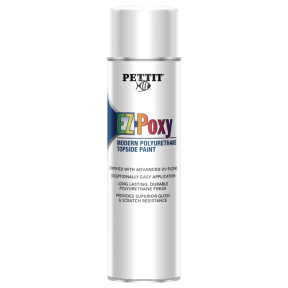
- Marine epoxy spray paint, such as Pettit EZ-Poxy, for added durability.
What to know about primer and aluminum?
Bare metal and aluminum surfaces usually need a compatible marine-grade primer before topcoat is applied. For bare aluminum, use the primer type recommended by the paint manufacturer, such as a self-etching or zinc-chromate primer when specified, to improve adhesion and corrosion resistance.
Frequently Asked Questions
How do I prepare an outboard motor for painting?
Clean the surface, remove loose paint and corrosion, sand the area smooth, and mask hardware or areas that should not be coated before applying primer or paint.
How long does marine engine paint take to dry and cure?
Dry and cure times vary by product, temperature, humidity, and film thickness. Follow the paint manufacturer’s instructions before handling, recoating, or returning the motor to service.
What is the difference between engine cowling paint and lower unit paint?
Engine cowling paint is typically used for appearance and UV protection on covers, while lower unit or outdrive paint is intended for submerged aluminum components that need corrosion resistance and durability in moving water.
Can I use standard automotive spray paint on my outboard motor?
Automotive paint may not provide the corrosion resistance or marine-environment durability needed for an outboard motor. For saltwater use or submerged parts, choose a marine-grade coating made for the surface and application.
How do I ensure the new paint matches my motor's original factory color?
Look for OEM-matched marine engine paint by motor manufacturer, color name, and model year when available. Aftermarket options, including Moeller engine paint, are often labeled for specific factory color matches.
Should I apply a clear coat over my outboard's touch-up paint?
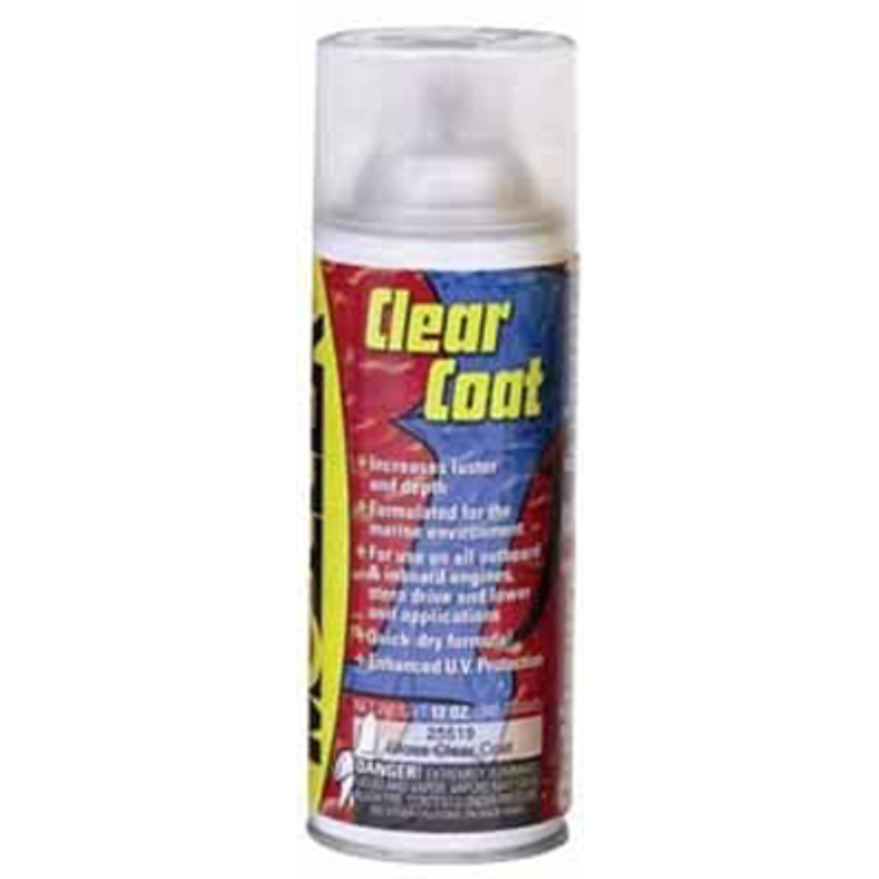
A compatible marine-grade clear coat can add gloss and UV protection on upper engine parts or cowlings. Check the paint system instructions first, especially for submerged or frequently abraded lower unit areas.
Is it necessary to remove the sacrificial anodes before painting the lower unit?
Yes. Remove or carefully mask sacrificial anodes before painting. Anodes need direct metal-to-water contact to help protect the engine from galvanic corrosion, and paint can prevent them from working properly.
If you are unsure which boat motor paint best fits your application, our knowledgeable representatives are available to help compare options and select the appropriate product.