
Sailboat Steering: Wheels, Tillers, and Pedestals
Proper boat handling starts with a clear understanding of sailboat steering systems. Whether you’re an experienced sailor or new to the helm, the right steering setup can significantly affect control, comfort, and confidence underway.
Key Takeaways
- Steering choice depends on boat size and helm preference
- Wheels offer leverage; tillers provide direct feedback
- Pedestals centralize wheel steering and controls
- Regular inspection helps prevent steering failures
Sailboat Steering Wheels vs. Tillers
Most sailboats rely on one of two primary steering methods: wheels or tillers. Both are proven approaches, and selecting between them comes down to boat size, layout, and handling expectations.
Sailboat Steering Wheels
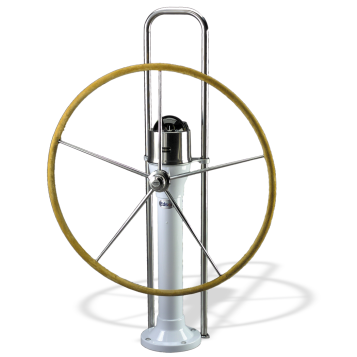
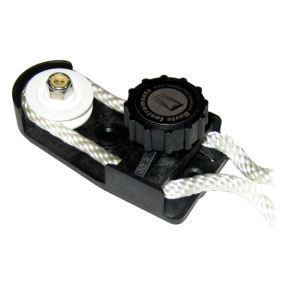
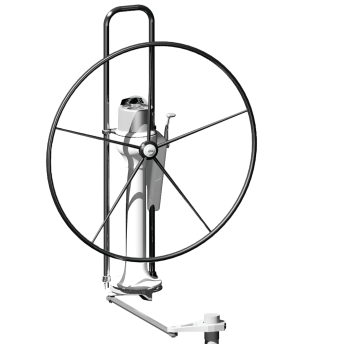
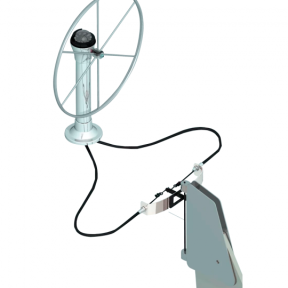
Steering wheelsare typically found on larger sailboats where added mechanical advantage helps manage heavier rudder loads. These systems use cables, pulleys, and linkages to transmit helm input to the rudder.
- Provide mechanical leverage for larger boats
- Offer precise control in challenging conditions
- Support comfortable steering on long passages
Sailboat wheels are available in a range of diameters, materials, and spoke designs to match different cockpit layouts and steering preferences.
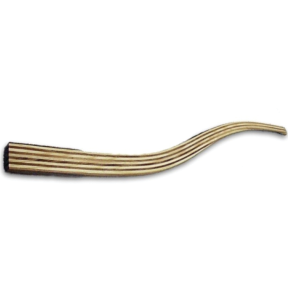
Sailboat Tillers
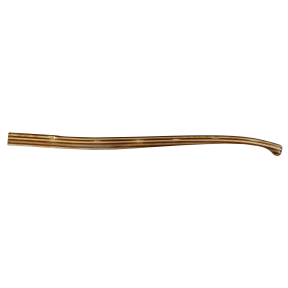
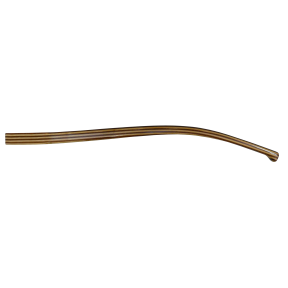
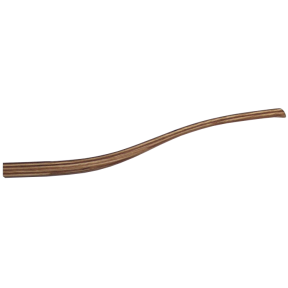
A tillerconnects directly to the rudder head, giving the helmsman immediate feedback from the boat. This straightforward design has long been favored on smaller and racing sailboats.
- Delivers direct, responsive helm feel
- Saves cockpit space when lifted or folded
- Requires minimal maintenance
For sailors who value simplicity and tactile control, tiller steering remains a reliable and time-tested solution.
Sailboat Steering Pedestals
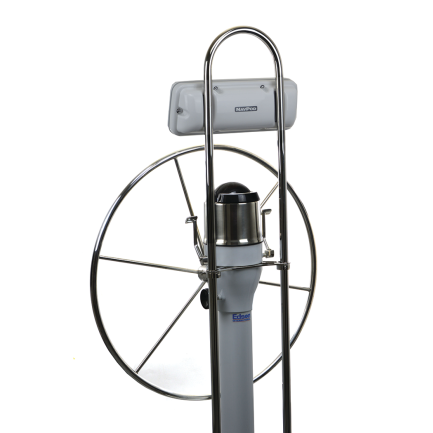
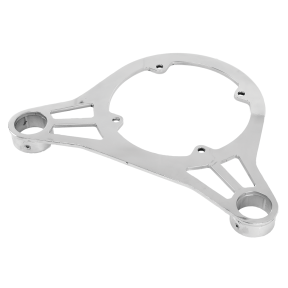
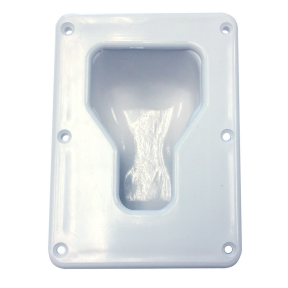
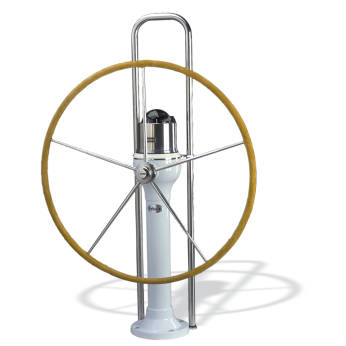
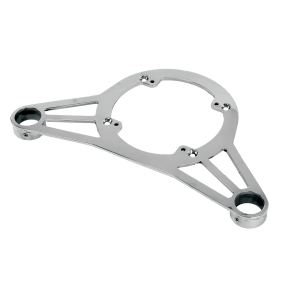
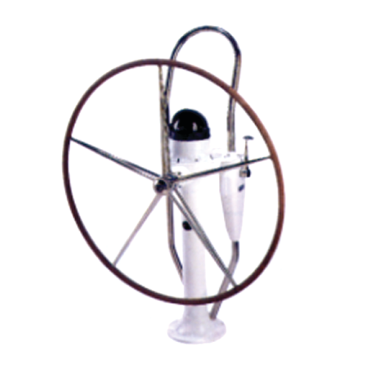
A helm pedestalforms the backbone of a wheel steering system. Commonly constructed from stainless steel or aluminum, it supports the wheel and often integrates key helm functions.
- Supports the steering wheel and helm instruments
- Provides a stable, ergonomic steering position
- May include folding tables or engine controls
Pedestal design and height play an important role in visibility, comfort, and overall cockpit flow.
Key Components of a Sailboat Steering System
A complete steering system is made up of several interconnected parts. Each component must work together smoothly to ensure dependable helm response.
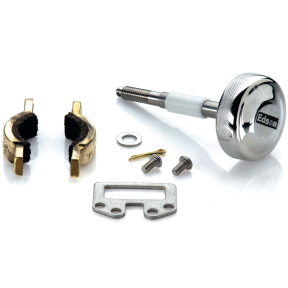
- Steering pedestalsor tillers
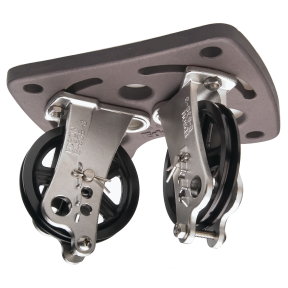
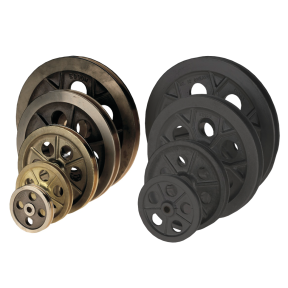
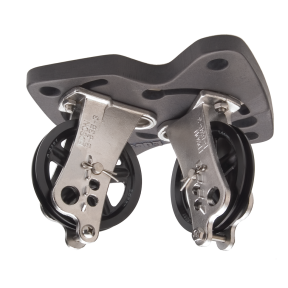
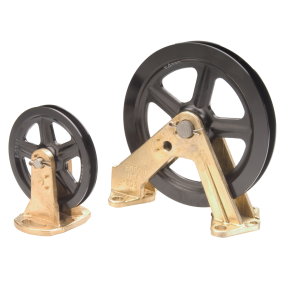
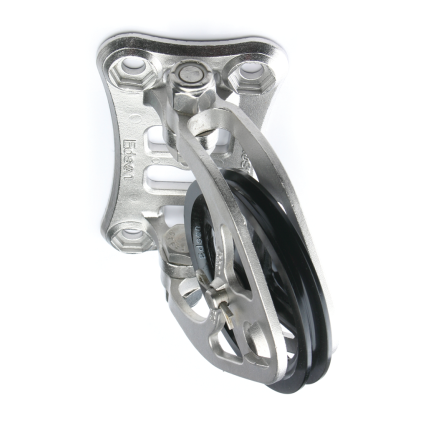
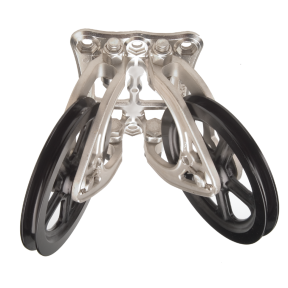
- Sheave assembliesfor wheel systems
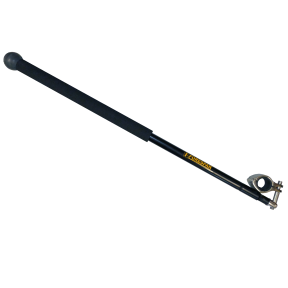
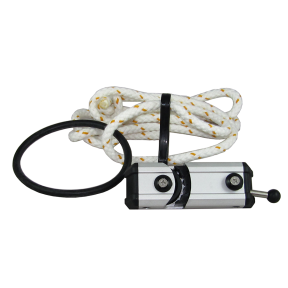
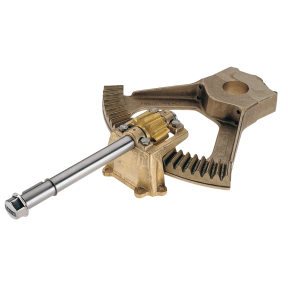
- Steering control arms
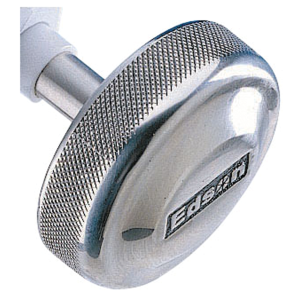
- Wheel brakesfor holding the helm at anchor
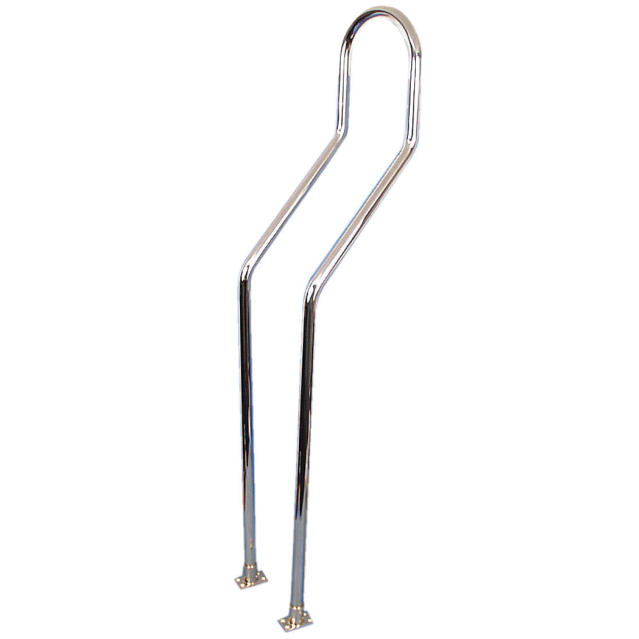
- Pedestal guards
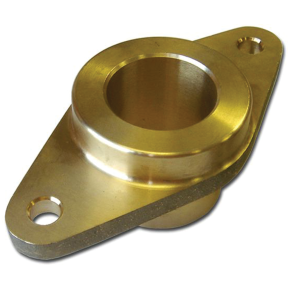
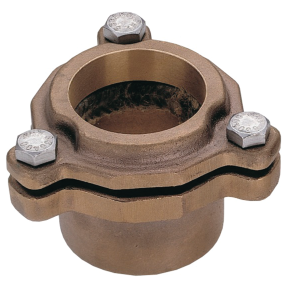
- Rudder post stuffing boxes
Selecting compatible components is essential when building or servicing a steering system, especially during refits or conversions.
Maintaining Your Sailboat Steering System
Regular inspection and maintenance help prevent steering issues and extend the life of critical components. Attention to wear points is especially important before long passages.
- Inspect wheel steering cables, pulleys, and control arms
- Check tiller connections, pintles, and gudgeons
- Lubricate moving parts per manufacturer guidance
Routine upkeep keeps steering smooth, predictable, and safe in a wide range of conditions.
Frequently Asked Questions
How do I choose the right steering system for my sailboat?
The best steering system depends on your boat’s size, intended use, and personal preference.
Can I upgrade my tiller to a steering wheel system?
Yes, converting from a tiller to a wheel steering system is possible but requires installing a steering pedestal, cables, and sheaves. The process varies by boat size and design, so consulting a marine expert is recommended.
What are the essential components of a sailboat wheel steering system?
A complete wheel-based system requires a steering pedestal to house the wheel and instruments, sheave assemblies to route the steering cables, control arms, and a rudder post stuffing box to maintain a watertight seal around the rudder shaft. Additionally, many sailors include wheel brakes to secure the rudder while at anchor and pedestal guards for physical protection of the equipment.
Can I convert my sailboat from tiller steering to a wheel system?
Yes, it is possible to upgrade from a tiller to a wheel steering system. This process involves installing a steering pedestal, a network of cables and pulleys (sheaves), and connecting them to the rudder post. Because the installation requirements vary significantly based on the boat's hull design and cockpit layout, it is recommended to consult with a marine professional during the planning phase.
What maintenance is required for sailboat steering systems?
Routine maintenance is vital for safety. For wheel systems, you should regularly inspect cables, pulleys, and control arms for signs of fraying or wear. For tiller systems, check the pintles, gudgeons, and the connection to the transom. All moving parts should be lubricated according to the manufacturer's specific recommendations to ensure smooth and responsive handling.
What should I do if my primary steering system fails while sailing?
It is important to have an emergency steering solution on board. Many wheel-steered boats are equipped with an emergency tiller that can be attached directly to the top of the rudder post if the cable system fails. For tiller-steered boats, carrying a spare tiller or having a secondary rudder system is a recommended safety precaution.