Marine Varnishes and Polyurethanes: Durable Protection for Your Boat’s Wood
This page helps boat owners, refit yards, and marine DIYers choose and maintain the right clear wood finish for exterior and interior brightwork—focused on UV, moisture, and abrasion protection in marine environments.
Key Takeaways
- Match finish to exposure: High-UV, saltwater areas favor spar urethane & traditional marine varnish with UV absorbers and flexible resins.
- Build film with multiple thin coats and light sanding between coats for adhesion and longevity.
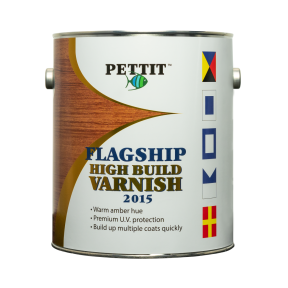
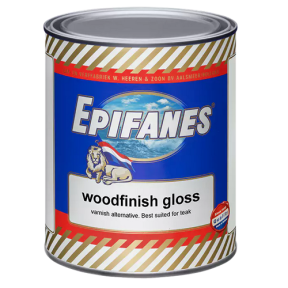
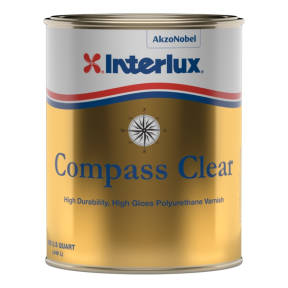
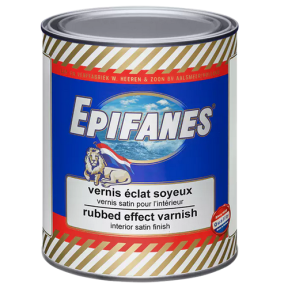
- Brand examples: Pettit, Interlux, and Epifanes offer proven marine formulas with UV inhibitors.
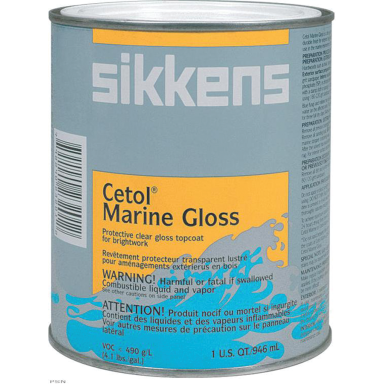
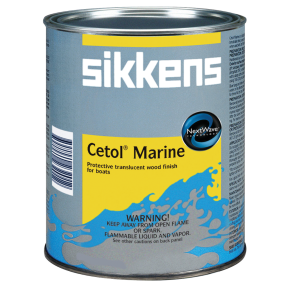
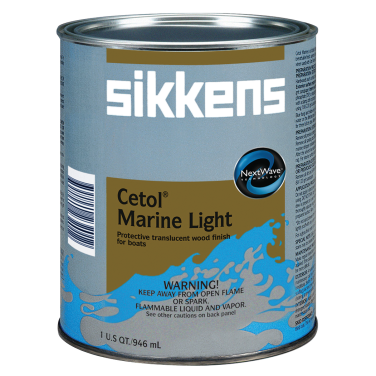
- Teak & trim: Cetol® Marine gives a semi-transparent, low-maintenance look with advanced UV packages—popular for teak.
What is a Marine Varnish or Polyurethane?
Marine varnishes are transparent coatings based on phenolic- or alkyd-modified resins and drying oils (e.g., tung, linseed), often fortified with UV absorbers. They protect wood from sunlight, saltwater, moisture, and wear while showcasing the grain.
Proper film build, quality of the finish, and application method strongly influence service life—especially outdoors where UV and water cycles dominate.
Main Types of Marine Varnishes & Polyurethanes
Marine-Grade Polyurethane (Spar Urethane)
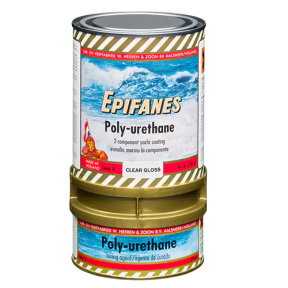
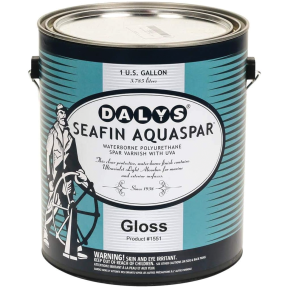
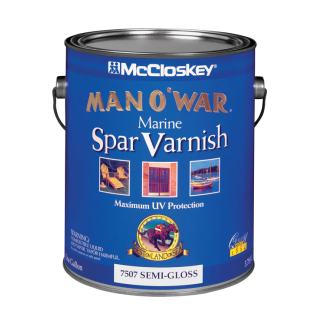
Marine polyurethanes are formulated for saltwater exposure, offering abrasion resistance, flexibility, and UV screening. High-build urethane systems are commonly specified over epoxy-sealed brightwork above the waterline.
Traditional Spar Varnish
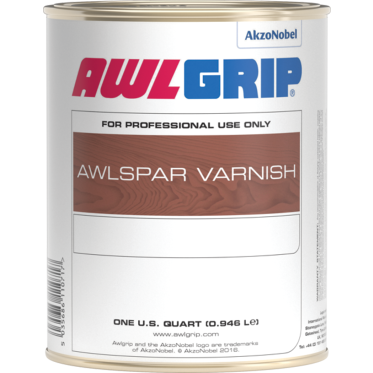
“Spar” varnish—born for bending masts and spars—uses phenolic/alkyd resin systems and drying oils to balance gloss retention with film flexibility, plus UV absorbers for sun-rich environments.
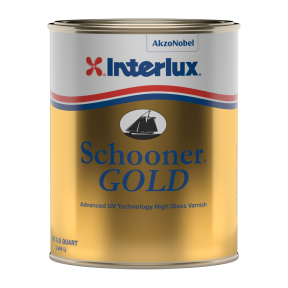
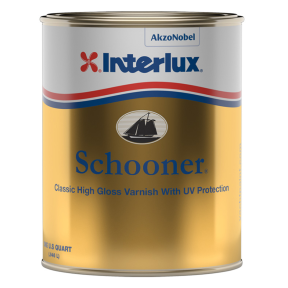
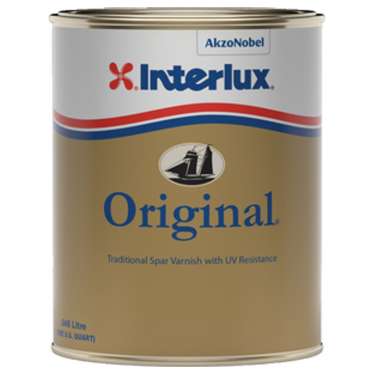
- Interlux Schooner®/Original: durable, water-resistant spar varnishes with UV protection.
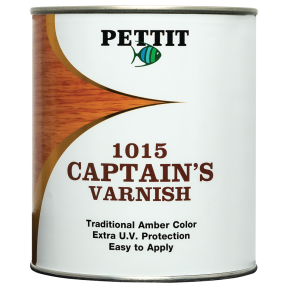
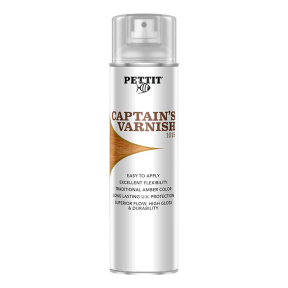
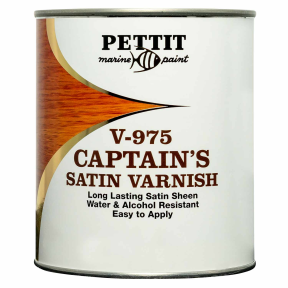
- Pettit Captain’s® 1015: phenolic/alkyd with tung & linseed oils; noted for gloss and durability; includes UV absorbers.
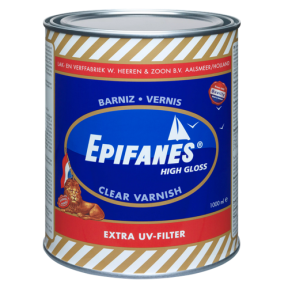
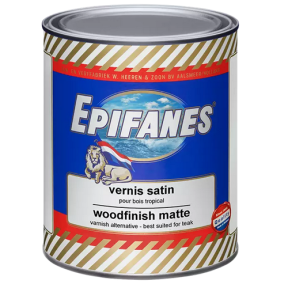
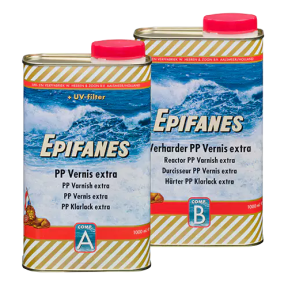
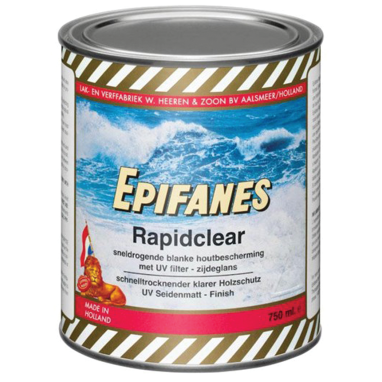
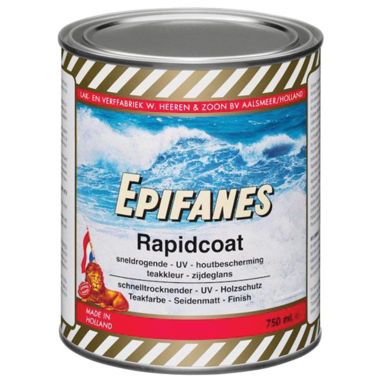
- Epifanes Clear Varnish: tung-oil, phenolic-modified alkyd with maximum UV absorbers; renowned for high gloss retention.
Marine Cetols (Translucent, Semi-Transparent Systems)
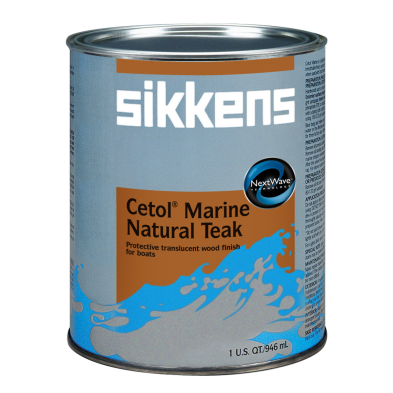
Cetol® Marine uses specialty resins and “Next Wave™” UV-absorbing packages to deliver UV durability and low-maintenance upkeep—especially popular on teak trim and furniture.
Common Applications
- Wooden boats & exterior trim: Defend against UV, saltwater, and moisture cycling.
- Teak decks & brightwork: Maintain color and grain with translucent systems like Cetol® or build classic deep-gloss varnish.
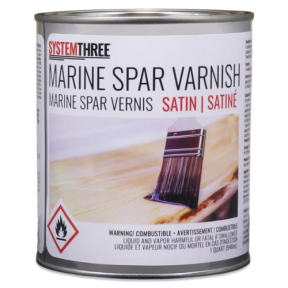
- Outdoor furniture & interior joinery: Choose sheen (gloss to satin) to match desired aesthetic and foot traffic.
Application & Routine Care (Pro Workflow)
- Surface prep: Clean, fair, and de-dust. On oily woods (e.g., teak), solvent-wipe prior to first coat.
- Build thin coats: Apply multiple thin coats; allow full dry; lightly sand between coats to promote adhesion.
- UV is cumulative: Inspect each season; touch up nicks immediately to keep water out; renew topcoats before film thins.
- Thinners & conditions: Follow brand-specific reducers and dry-time tables to avoid solvent trap and print-through.
Choosing the Best Finish for Your Project
- Wood species & movement: Materials (teak vs. mahogany vs. plywood) affect finish selection and film flexibility needs.
- Environmental exposure: High-latitude UV, tropical sun, and salt spray call for robust UV packages and maintenance intervals.
- Desired aesthetic: From mirror-like gloss (traditional varnish) to warm satin translucence (Cetol®).
Shop our extensive inventory of marine-grade varnishes, or complement your system with marine wood sealers & protectants. If you’re new to brightwork, start with our Varnishing Tips and Tricks article.
Frequently Asked Questions
How many coats of marine varnish do I need?
Typically 6–10 thin coats for exterior brightwork to achieve UV-capable film thickness; interiors may require fewer. Always follow brand-specific guidance.
Can I apply spar urethane over epoxy?
Yes—high-build urethanes are often used over cured, sanded epoxy above the waterline. Observe recoat windows, sanding grits, and solvent compatibility.
What’s the difference between Cetol® and traditional varnish?
Cetol® Marine is a translucent system designed for easier maintenance and a satin-to-semi-gloss look; traditional varnish builds a deep, high-gloss film. Both include UV packages; choose aesthetics and maintenance profile accordingly.
How do UV absorbers help?
They protect the coating and underlying wood by reducing photodegradation; without them, finishes chalk, crack, and fail sooner under solar exposure.
When should I recoat?
Before gloss dulls or film thins—often seasonally for high-exposure areas. Quick scuff-sand and top-up coats extend service life significantly.