Wheel Bearings for Boat Trailers
Boat trailer wheel bearings support axle loads and allow the hub to rotate with minimal friction. Correct selection, inspection, lubrication, and sealing are essential for safe towing and long service life.
Key Takeaways
- Component: Trailer wheel bearings reduce friction between the axle spindle and hub.
- Risk Factors: Water immersion and contaminants accelerate wear and corrosion.
- Maintenance Interval: Inspect at least annually or ~20,000 miles; repack/replace as needed using marine-grade grease.
- Failure Signs: Heat at hub, noise (grinding/squeal), vibration/wobble, grease leakage.
- Protection: Quality bearing protectors can help reduce water intrusion when correctly installed and maintained.
What Boat Trailer Wheel Bearings Do
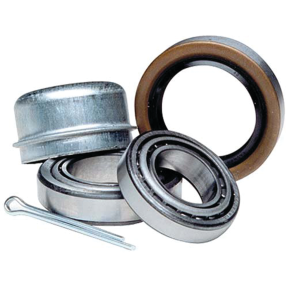
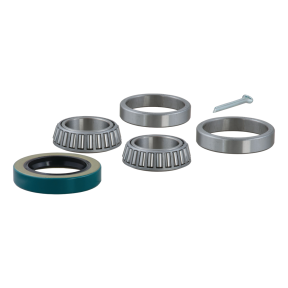
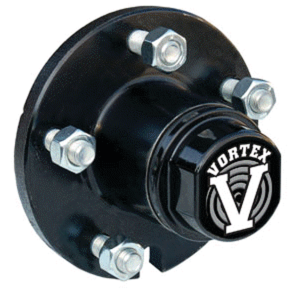
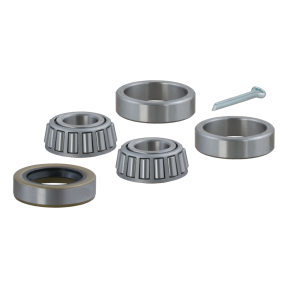
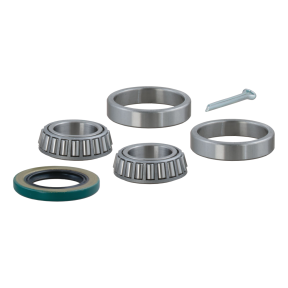
Fisheries Supply stocks wheel bearings and complete hub kits engineered to carry trailer loads while minimizing friction in the hub assembly. Bearings (cups/cones) sit between the hub and spindle; correct preload and lubrication prevent overheating and premature wear.
Why Maintenance Matters
Marine trailers frequently encounter water immersion and road grit, which can degrade grease and seals. Without timely service, bearings overheat, seize, or fail—potentially causing wheel loss on the road. Authoritative maintenance guidance from industry sources emphasizes annual inspection and correct grease/seal practices.
Signs of Bearing Trouble
- Noise: Grinding, rumbling, or squealing while moving or when spinning a lifted wheel.
- Vibration/Wobble: Perceptible wheel play or trailer shake.
- Excessive Heat: Hub too hot to touch after a short drive or during fuel stops.
- Grease Leakage: Grease on wheel, frame, or hull indicates seal failure.
Maintenance " Inspection
Intervals
Plan a full bearing service at least every 12 months or ~20,000 miles, and sooner after extended submersion or long, high-speed trips.
Best Practices
- Regular Inspection: Check end-play, grease condition, and seals; replace pitted/rusted/discolored bearings immediately.
- Repack with Marine Grease: Use high-quality marine grease; avoid mixing incompatible grease bases.
- Set Preload Correctly: Adjust bearings per manufacturer guidance to avoid over/under-tightening.
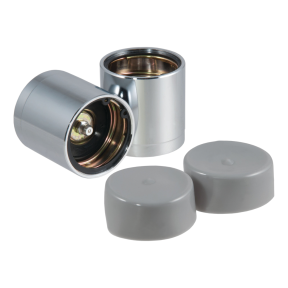
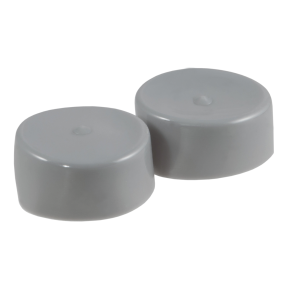
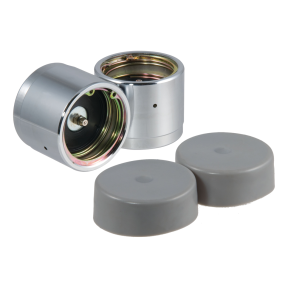
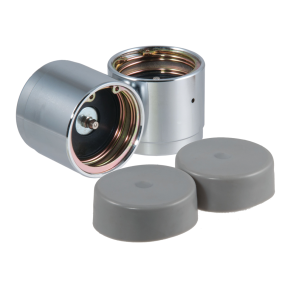
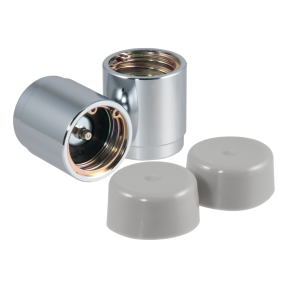
- Use Bearing Protectors (Optional): Properly installed, spring-loaded protectors help keep positive pressure and reduce water entry; still inspect seals and repack as needed.
- Pre-Trip Checks: Confirm hub temperature, lug-nut torque, and absence of play as part of an inspection checklist.
Selecting Bearings, Hubs " Kits
Match components to your axle and hub specifications (inner/outer bearing numbers, seal dimensions, and spindle type). When replacing, choose quality bearings and seals per recognized specifications.
- Complete Kits: Trailer wheel kits with bearings, races, and seals for common axle sizes.
- Bearing Protectors: Wheel bearing protectors (“Bearing Buddy”-style) to help minimize water ingress.
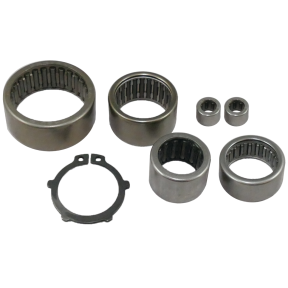
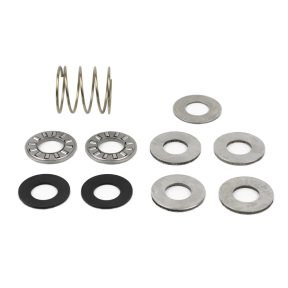
- Replacement Parts: Thrust bearing kits and components including hubs and springs.
- Brands We Carry: Leading manufacturers such as CURT Manufacturing.
Tip: If you are uncertain of bearing sizes, reference the stamped bearing numbers or measure the spindle with calipers; hub part numbers and seal IDs also help ensure a correct match.
Frequently Asked Questions
How often should I repack boat trailer bearings?
At least annually or ~20,000 miles, and sooner if hubs run hot, seals leak, or after frequent submersion.
Do Bearing Buddy-type protectors eliminate the need to repack?
They help maintain positive pressure to reduce water intrusion, but you must still inspect seals and service bearings at recommended intervals.
What grease should I use?
Use a high-quality marine-grade grease. Avoid mixing incompatible grease chemistries (e.g., lithium vs. calcium sulfonate) unless confirmed compatible.
Are there standards or regulations I should be aware of?
Consult applicable FMCSA/DOT safety and maintenance guidance and ABYC technical standards for marine systems.
What are quick road-check tips before launching?
After a short drive, confirm hubs are warm—not hot—by touch, verify no wheel play, and re-check lug torque. Include bearings in your pre-trip checklist.