Marine Ventilation Fans
This category helps boat owners, skippers, and yard professionals select, install, and maintain marine ventilation fans and accessories that meet safety standards and deliver quiet, efficient airflow.
Key Takeaways
- Proper ventilation controls humidity, improves air quality, and protects systems and crew comfort.
- Match fan type and voltage (12V/24V/120V) to space, duty cycle, and noise targets; consider automation for optimal performance.
- Follow recognized safety standards (e.g., U.S. Coast Guard 33 CFR Part 183 Subpart K; ABYC H-2; ISO 11105) for compartments with gasoline vapors.
- Fisheries Supply stocks leading brands like Caframo and Delta T Systems with commercial accounts and nationwide/worldwide shipping.
Why Marine Ventilation Matters
On any recreational or commercial boat, ventilation is essential to control moisture, remove odors and pollutants, and, in compartments where gasoline vapors may accumulate, reduce the risk of explosion while meeting safety requirements.
Core Benefits- Moisture control: Continuous air movement discourages mold and mildew; a healthy target is about 30–50% relative humidity inside the cabin.
- Air quality: Fresh air exchange dilutes VOCs, cooking odors, and allergens for a more pleasant onboard experience.
- Comfort & equipment longevity: Proper ventilation reduces heat build-up and helps protect electronics and finishes.
- Safety in fuel spaces: Engine and fuel tank compartments on gasoline boats require natural and/or powered ventilation compliant with applicable standards.
Types of Marine Ventilation Systems
Fisheries Supply offers a comprehensive range of marine ventilation products for cabins, heads, engine rooms, and lazarettes. Explore:
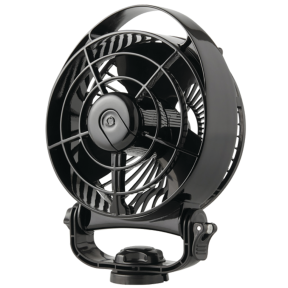
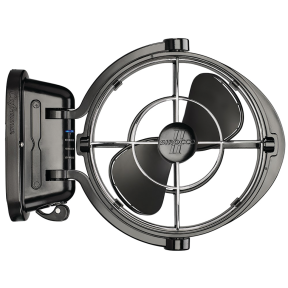
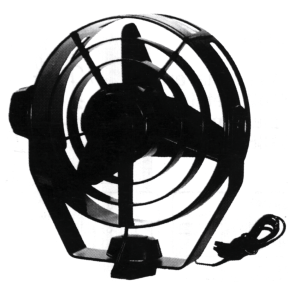
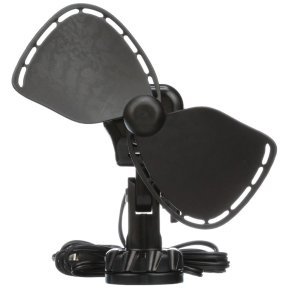
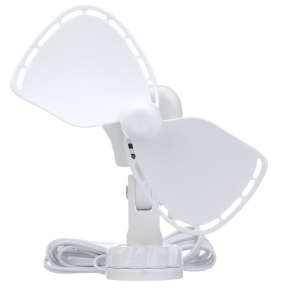
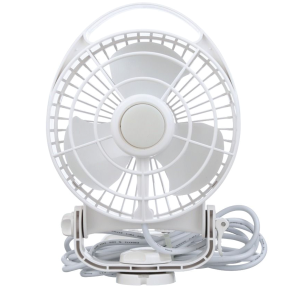
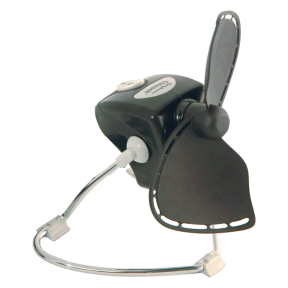
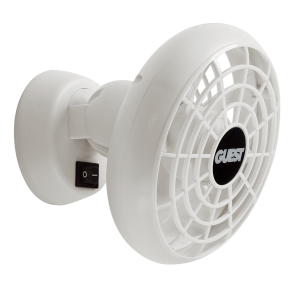
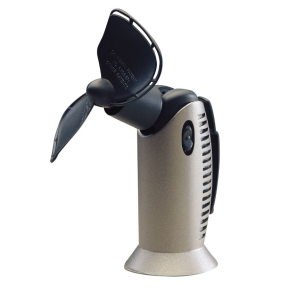
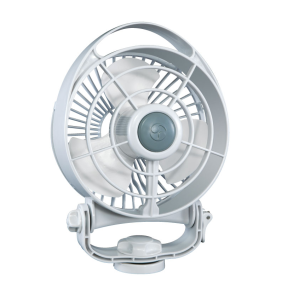
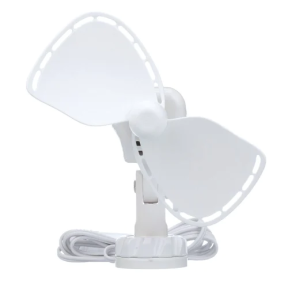
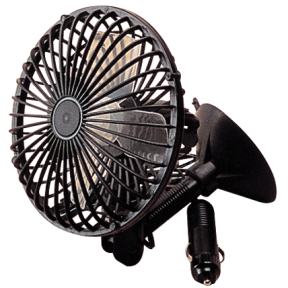
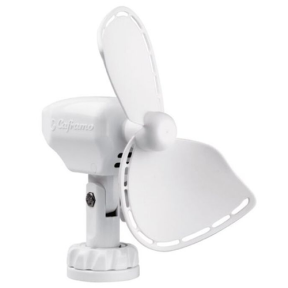
- Boat Cabin Fans — corrosion-resistant, low-draw models designed for the marine environment.
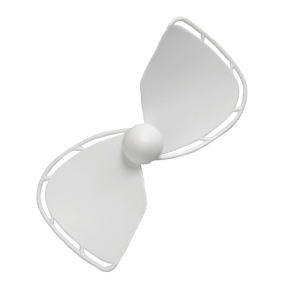
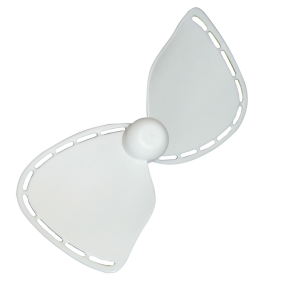
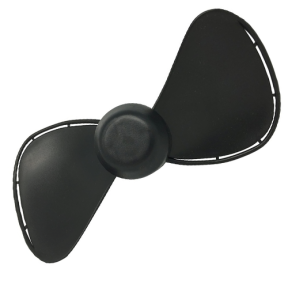
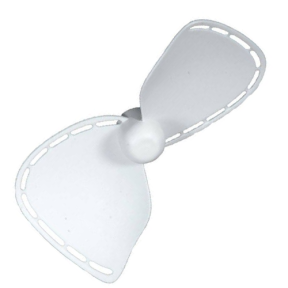
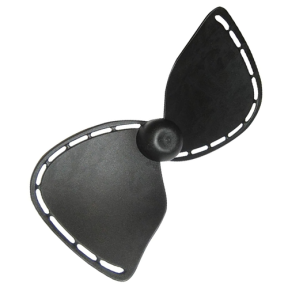
- Fan Blades — replacement blades for Caframo boat fans.
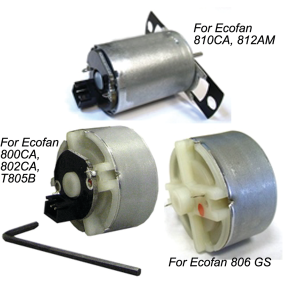
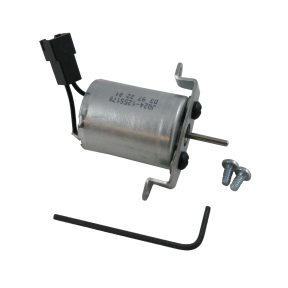
- Fan Motors — direct-fit motors for Caframo marine fans.
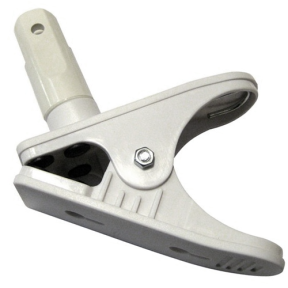
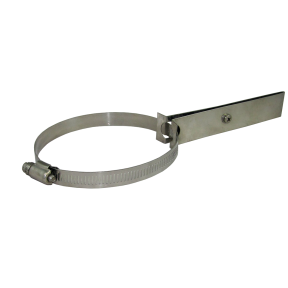
- Mounting Hardware — secure, vibration-resistant installation components.
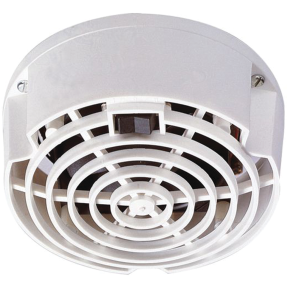
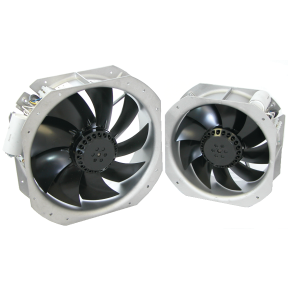
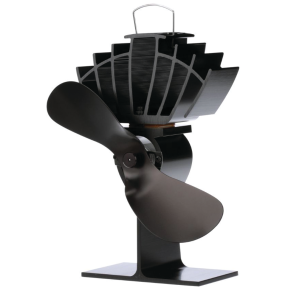
- Exhaust & Axial Fans — high-volume box and axial fans to move stale or moist air out efficiently.
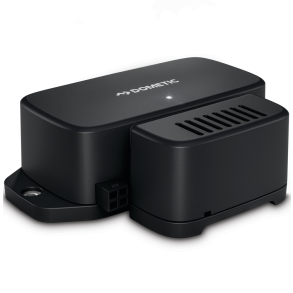
- Air Purification Add-Ons — ionizer-based accessories to complement ventilation and improve air quality.
How to Choose the Right Marine Fan
Match Power & Wiring- Voltage: Common options include 12V DC, 24V DC, and 120V AC. Choose what aligns with your boat’s distribution system and wiring runs.
- Current draw: Balance airflow with battery capacity and duty cycles for overnight use at anchor.
- Airflow target: For cabins and heads, select CFM appropriate to volume and desired air changes per hour.
- Sound profile: Look for quiet blades, multiple speed settings, and vibration isolation—especially near berths.
- Manual vs. automated: Thermostats, humidity sensors, and occupancy sensors can optimize comfort and energy use.
- Ignition protection: Where required by regulation, verify ignition-protected components in spaces with gasoline vapors.
- Marine-grade build: UV-stable plastics, corrosion-resistant fasteners, and sealed motors extend life.
- Maintenance access: Prefer designs with removable grilles and washable filters for faster upkeep.
Trusted Brands at Fisheries Supply
Fisheries Supply is your premier supplier of marine ventilation from top brands:
- Caframo — efficient, quiet cabin fans built for demanding marine environments.
- Delta T Systems — engineered axial and control systems favored in professional engine-room applications.
Our selection includes:
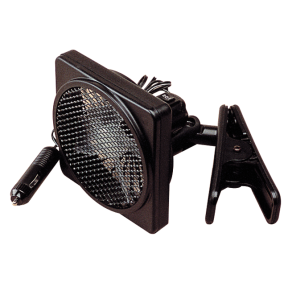
- Marine Fans: Durable and corrosion-resistant electric ventilators, perfect for marine use.
- Boat Exhaust Fans: Box fans to remove stale air and moisture.
- Boat Ventilation Fans: Enhance air quality with an ionizer air purifier to maintain a comfortable cabin environment.
We ship nationwide and worldwide from extensive in-stock inventory.
Maintenance for Peak Performance
- Clean fan blades, grilles, and filters regularly to maintain airflow and reduce noise.
- Inspect wiring, mounts, and ignition protection labels where applicable.
- Check dampers and ducting in exhaust paths for free movement.
- Monitor cabin humidity with a hygrometer; aim for ~45% RH as a balanced target.
Ready to upgrade? Browse our selection of boat cabin fans or complement ventilation with boat shades.