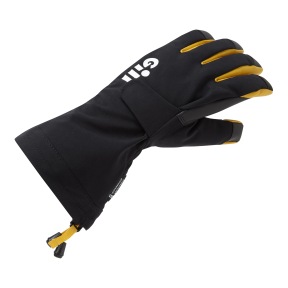
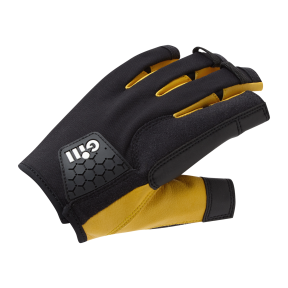
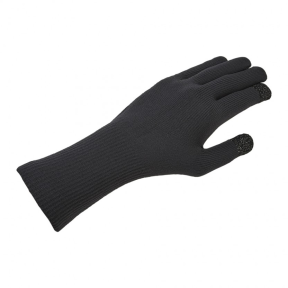
Sailing Gloves for Grip, Protection, and All-Weather Comfort
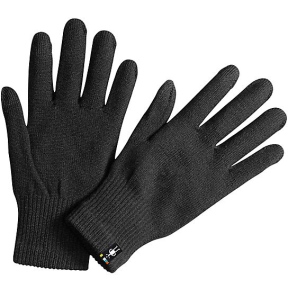
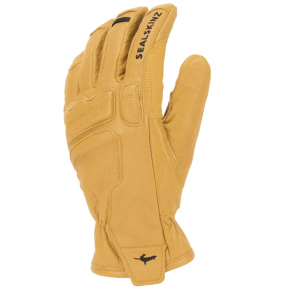
When you’re working lines, trimming sails, or handling deck hardware, the right gloves make a real difference. Fisheries Supply offers a selection of sailing gloves designed to improve grip, reduce hand fatigue, and protect against cold and abrasion.
What to Know
- Choose gloves based on weather, dexterity needs, and sailing style
- Short-finger gloves favor precision; long-finger gloves favor protection
- Waterproof and insulated options improve comfort in cold or wet conditions
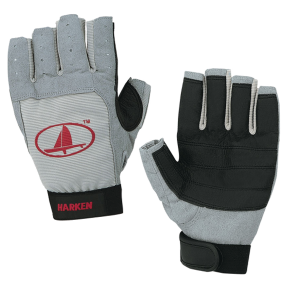
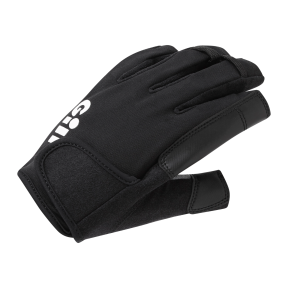
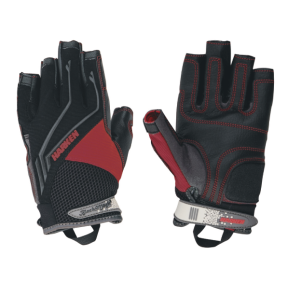
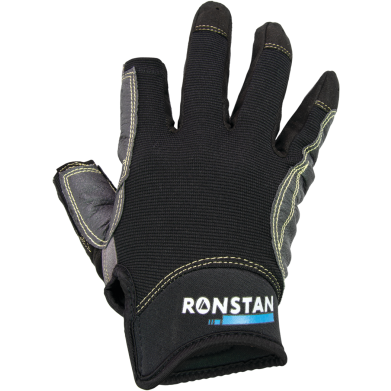
Our inventory includes waterproof sailing gloves, dinghy sailing gloves, and cold-weather options commonly used in commercial fishing and shoulder-season sailing. We stock proven designs from established marine brands such as Ronstan, Gill, and Harken.
Why Sailing Gloves Matter
Sailing gloves are practical safety gear for anyone spending time under sail or power.
- Improved grip: Helps control lines, winches, and deck hardware
- Hand protection: Reduces blisters and rope burn during extended use
- Cold-weather comfort: Maintains dexterity when temperatures drop
Types of Sailing Gloves
Different sailing conditions call for different glove designs. Fisheries Supply carries several common styles used by recreational sailors, racers, and working crews.
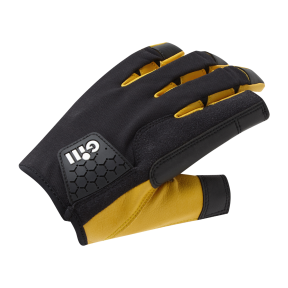
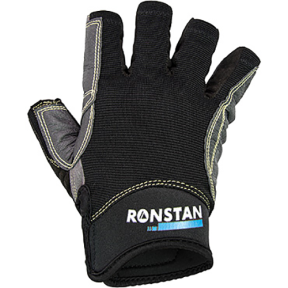
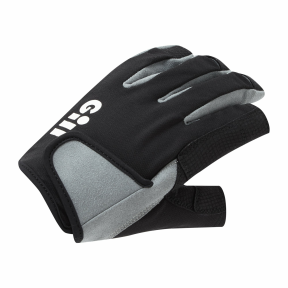
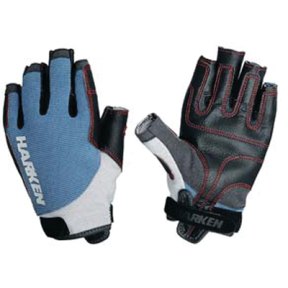
Short-Finger Sailing Gloves
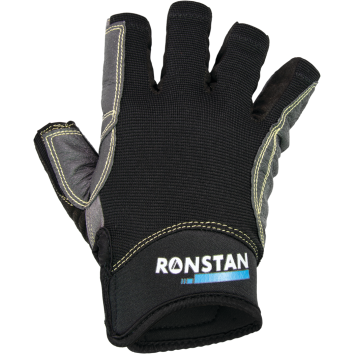
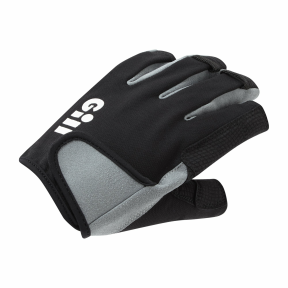
- Description: Exposed fingertips for precise control and tactile feedback
- Ideal for: Warm weather, knot tying, and detailed deck work
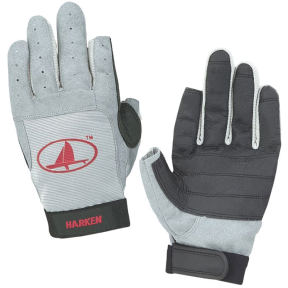
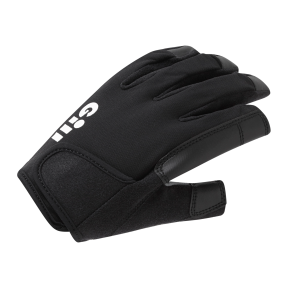
Long-Finger Sailing Gloves
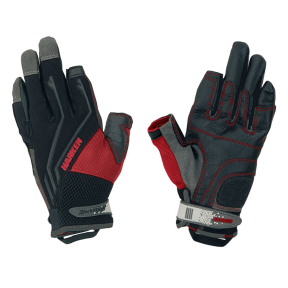
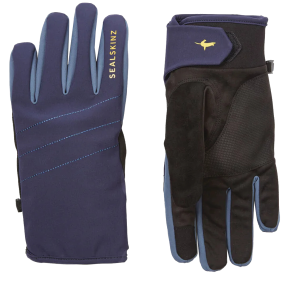
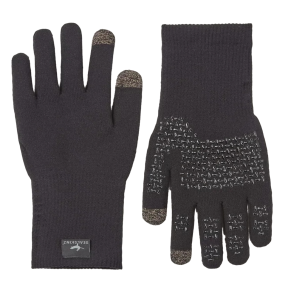
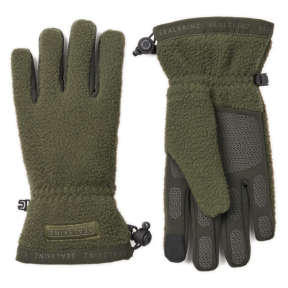
- Description: Full finger coverage for added protection and insulation
- Ideal for: Cooler conditions and extended line handling
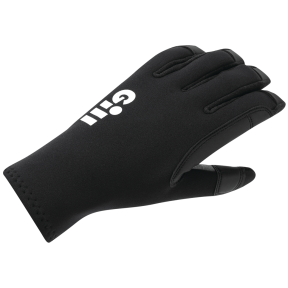
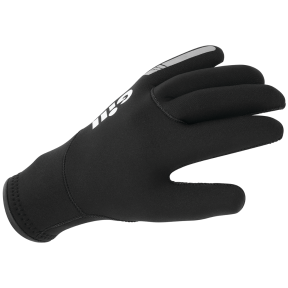
Winter Sailing Gloves
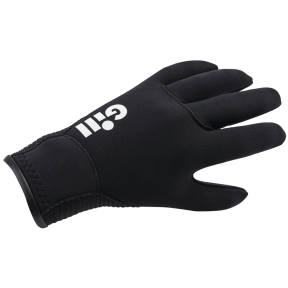
- Description: Insulated designs, often using neoprene, to retain warmth
- Ideal for: Late fall, winter, and early spring sailing
Waterproof Sailing Gloves
- Description: Constructed with water-resistant or waterproof materials
- Ideal for: Wet decks, rainy conditions, and offshore sailing
Frequently Asked Questions
What are the best gloves for sailing?
The best sailing gloves combine grip, abrasion resistance, and flexibility. Established marine brands such as Gill, Harken, and Ronstan offer both full- and half-finger designs to match different sailing conditions and tasks.
What is the difference between full-finger and half-finger sailing gloves?
Full-finger gloves provide greater protection and warmth, while half-finger gloves offer improved dexterity for handling lines, knots, and small hardware.
Do sailing gloves protect against rope burn?
Yes. Sailing gloves are designed to reduce friction and protect hands from rope burn and blisters when working sheets, halyards, and winches.
Can regular gloves be used instead of sailing gloves?
Regular gloves are not recommended. They typically lack the grip, abrasion resistance, and quick-drying materials needed for marine use.