Marine Epoxy Fillers and Resin Additives
For boat owners, builders, and repair pros, this article explains the epoxy filler and resin additive options we stock at Fisheries Supply—what they do, where to use them (above/below the waterline), and how to pick the right blend.
Key Takeaways
- Function: Fillers and additives modify epoxy or polyester resin for strength, weight, viscosity, sandability, and finish.
- Classes: Thixotropes (e.g., colloidal silica), bulking agents (e.g., microballoons), fibrous agents (e.g., milled glass, microfibers), and pigments.
- Selection factors: Location (above/below waterline), bond vs. fairing, target viscosity, and brand compatibility.
- We stock: Leading systems from West System, System Three, and Sea Hawk.
Understanding Boat Epoxy Fillers and Resin Additives
Marine epoxy fillers and resin additives are blended into base resin/hardener to tailor performance for bonding, gap filling, fairing, and coating. Benefits include:
- Increased adhesive and laminate strength
- Weight reduction for fairing and surfacing mixes
- Viscosity control (non-sag, vertical/overhead work)
- Improved sanding and shaping characteristics
- Enhanced surface finish, color control, and UV topcoating readiness
- Better abrasion resistance when combined with structural fibers
Types of Marine Epoxy Fillers
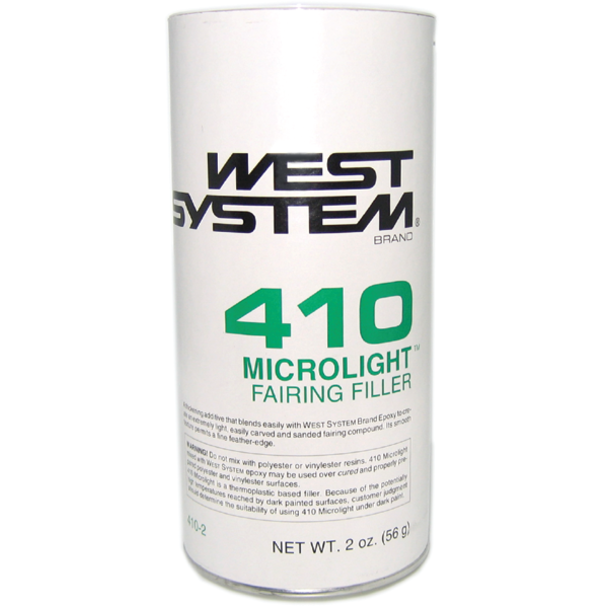
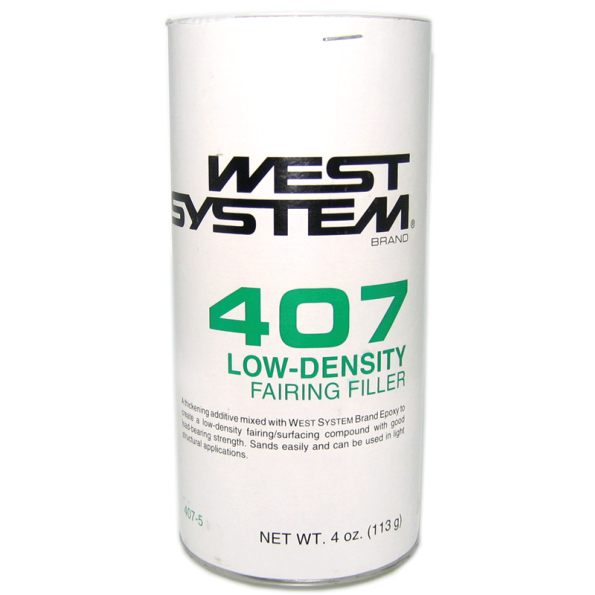
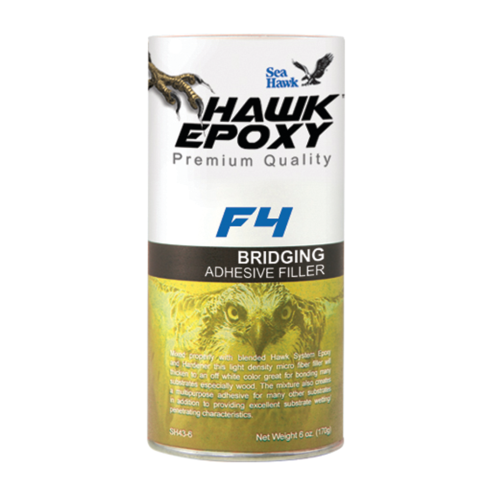
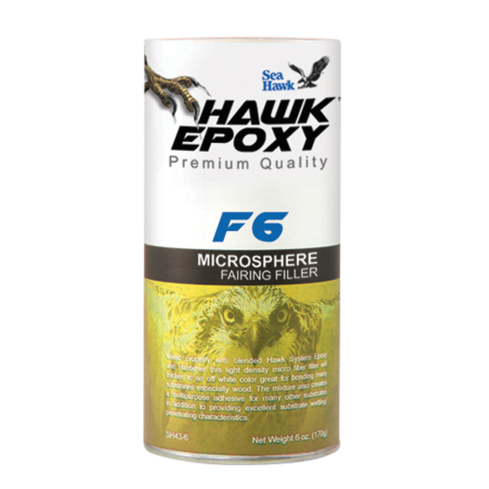
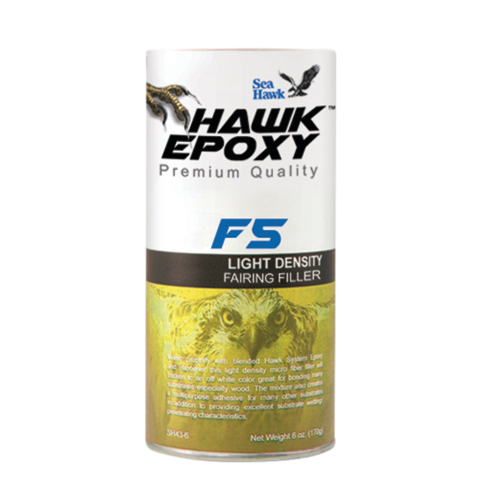
- Microballoons / Microspheres (bulking agents): Lightweight hollow spheres for low-density fairing compound; easy to sand; typically not structural. See manufacturer guidance for glass, phenolic, or graphite variants. (Refs: WEST SYSTEM Filler Selection; System Three filler classes; Sea Hawk Hawk Epoxy fillers)
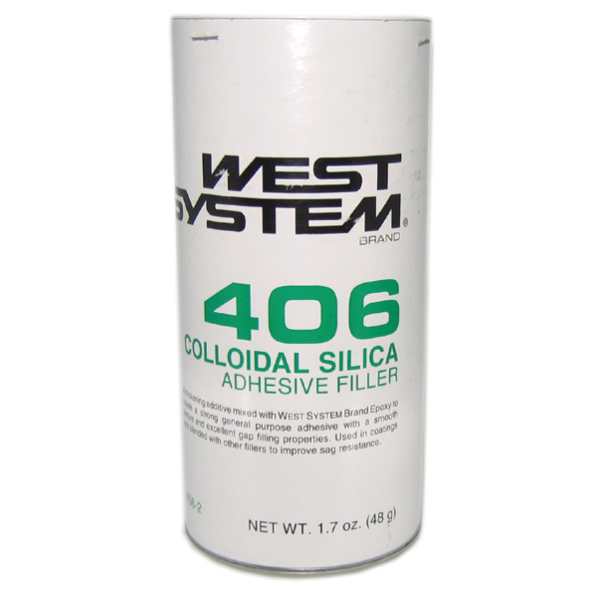
- Colloidal Silica (thixotrope): Controls sag/flow for fillets and bonding; often combined with other fillers to boost strength and maintain a smooth, non-sag paste. (Ref: WEST SYSTEM 406 Colloidal Silica)
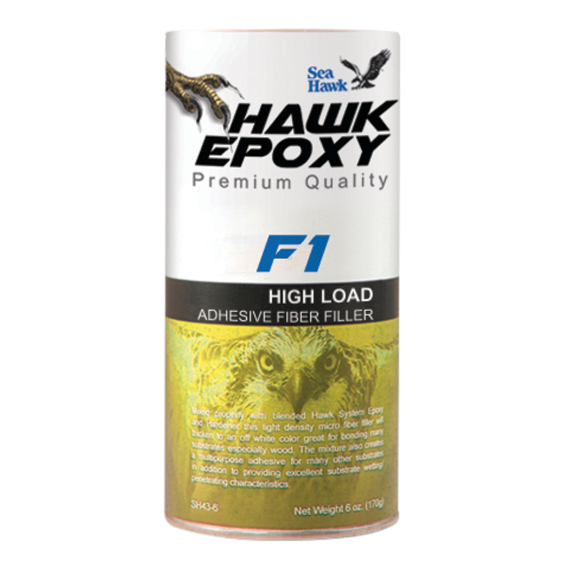
- Milled Glass / Microfibers (fibrous agents): Increases tensile/compressive strength and gap-bridging in structural bonds; higher density and harder to sand.
- Wood Flour: Adds thixotropy and natural color for wooden-boat fillets and gap filling; sands more easily than pure silica mixes. (Ref: System Three Wood Flour usage)
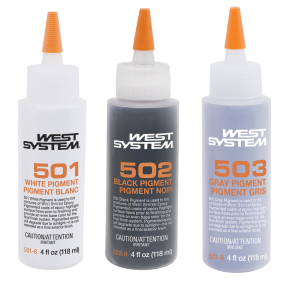
- Epoxy Tinting Pigments: High-strength, resin-compatible colorants for labeling layers, UV topcoat undercolors, and cosmetic blending; use sparingly to avoid curing/strength issues.
How to Choose the Right Boat Filler
Match the mix to the job
- Location: Above the waterline, prioritize fairing ease and sandability (e.g., microballoons blends). Below the waterline, prioritize structural bonding and moisture resistance (silica + microfibers; follow coating/encapsulation best practices and relevant standards).
- One-part vs. two-part: For most structural and fairing work, two-part epoxies with fillers provide predictable strength and cure. One-part products trade strength for convenience.
- Target properties: Need strength? Favor fibers + silica. Need lightweight fairing? Favor microballoons. Need non-sag fillets? Add silica or wood flour.
- Chemical compatibility: Keep systems consistent within a brand family when possible and follow the specific mix order: resin/hardener ? fibrous agents ? bulking agents ? thixotropes ? pigments. (Ref: System Three guidance)
Brand systems we carry
Our technical team can help you choose from these trusted systems and accessories:
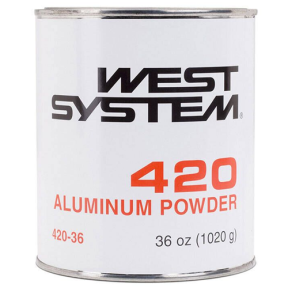
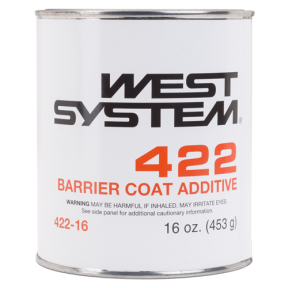
- WEST SYSTEM — detailed filler selection and application notes for adhesive (high-density) vs. fairing (low-density) blends.
- System Three Resins — clear mix sequences and usage examples (wood flour, microspheres, milled fibers).
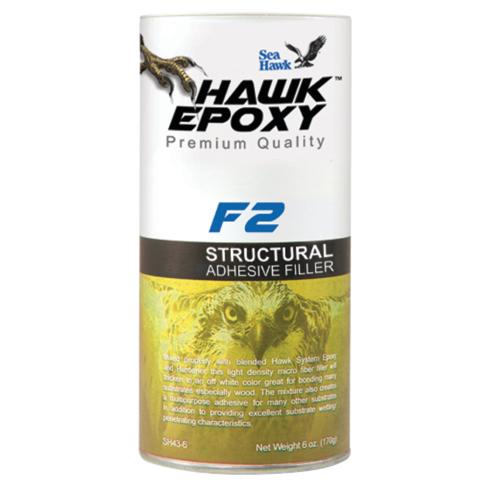
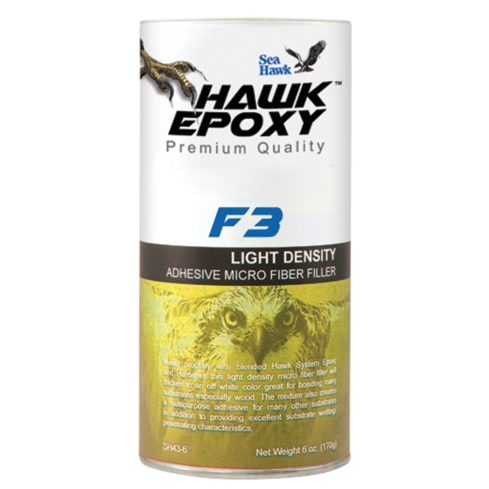
- Sea Hawk Yacht Finishes — Hawk Epoxy fillers covering structural bonding through light-density fairing.