


Marine Resin Tools & Epoxy Pumps: Practical Guide for Boat Repair & Composites
This article will help boat owners, yards, and composite technicians choose and use marine resin tools and epoxy dispensing pumps for reliable, repeatable results.
Key Takeaways
- Correct ratios and clean workflow are crucial for curing and bond strength in epoxy resin repairs.
- Epoxy pumps reduce mixing errors and waste while speeding up production for both small and large projects.
- Peel ply and vacuum bagging improve surface quality, laminate consolidation, and secondary bonding.
- Fisheries Supply supports pros and DIYers with deep inventory, commercial accounts, and nationwide/worldwide shipping.
What Are Marine Resin Tools?
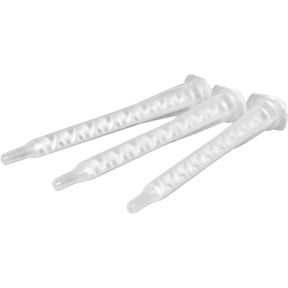
Marine resin tools are purpose-built accessories for fiberglass and composite work using epoxy, polyester, or vinylester resins. The right tools help maintain mix accuracy, control resin flow, minimize voids, and achieve a fair finish.
Essential Marine Resin Tools
Use the following tools to streamline layups and repairs while improving consistency:
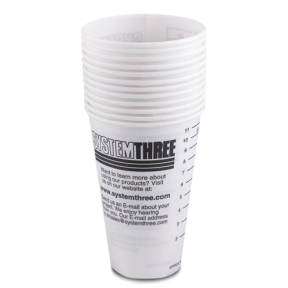
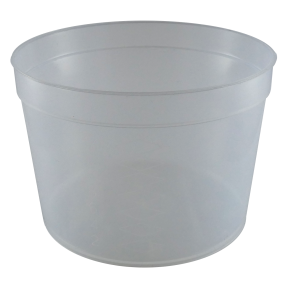
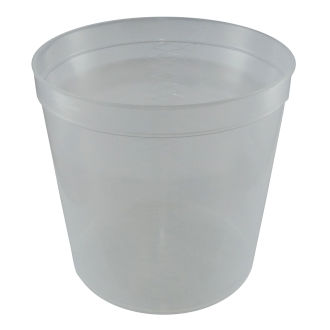
Mixing Containers - Purpose: Combine resin and hardener with readable ratio marks.
- Tip: Scrape sides and bottom; transfer to a second clean cup (“double-cup”) before application to reduce unmixed spots.
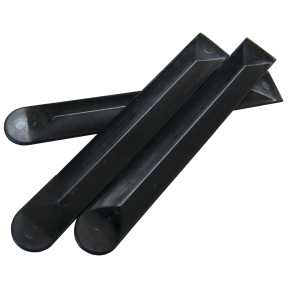
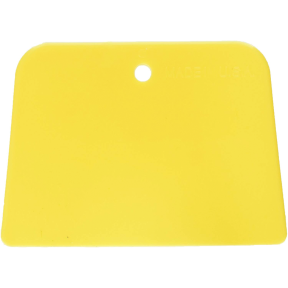
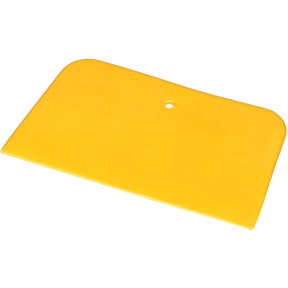
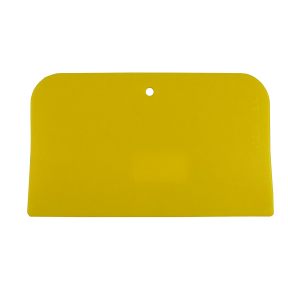
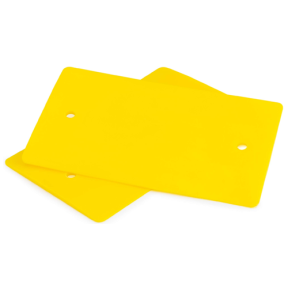
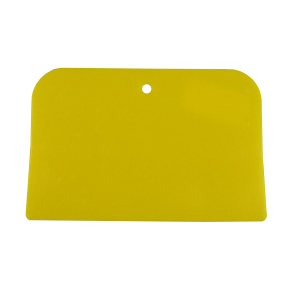
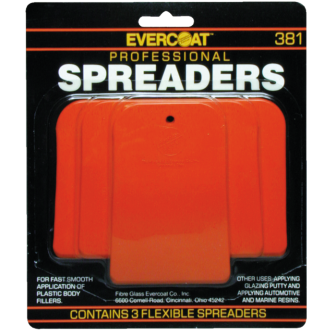
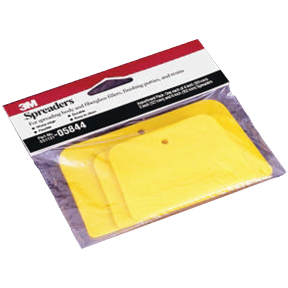
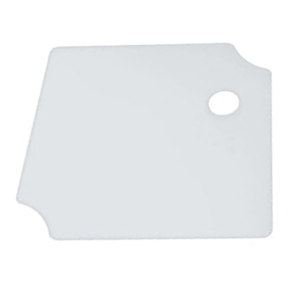
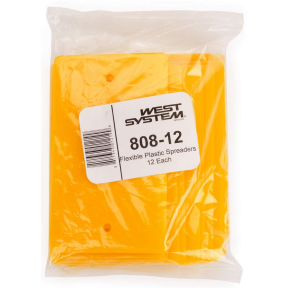
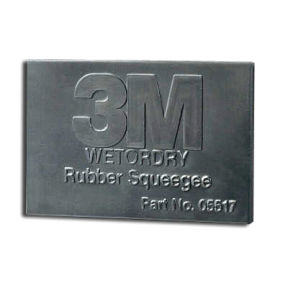
Spreaders & Squeegees - Purpose: Evenly wet out fabric and control resin thickness.
- Tip: Choose flexible plastic for contours; rigid for fairing.
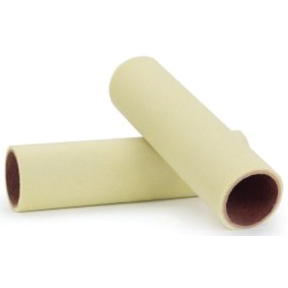
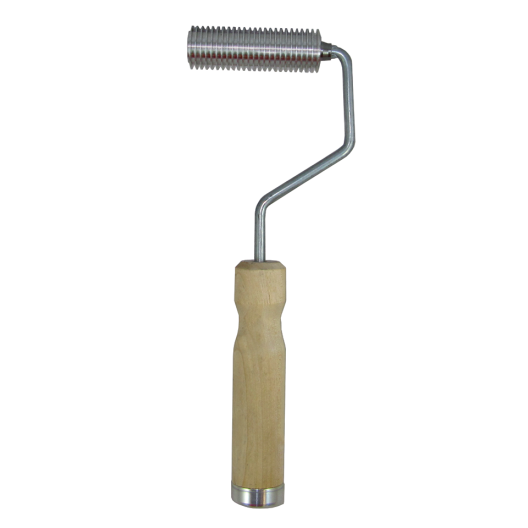
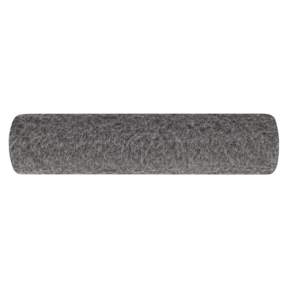
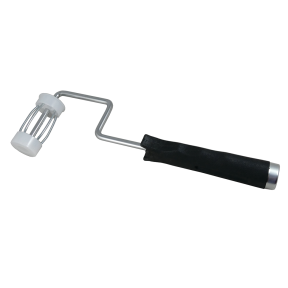
Rollers (foam, mohair, laminating) - Purpose: Apply thin, uniform coats over large surfaces.
- Tip: Use grooved fin rollers to remove air from heavy fabrics.
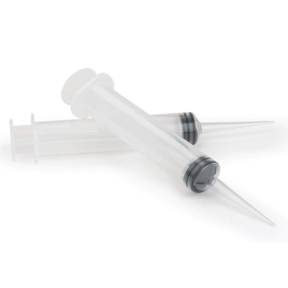
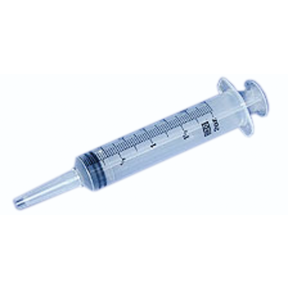
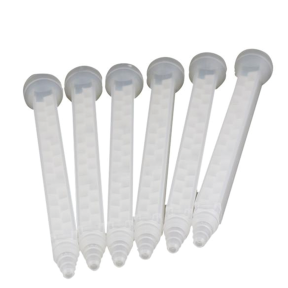
Syringes & Precision Tips - Purpose: Meter resin into tight areas, fillets, and crack injections.
- Tip: Pre-warm thickened epoxy slightly for smoother flow (observe manufacturer’s limits).
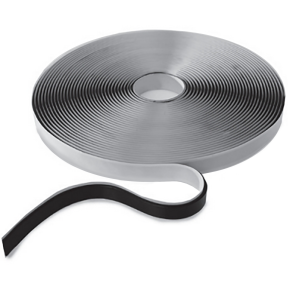
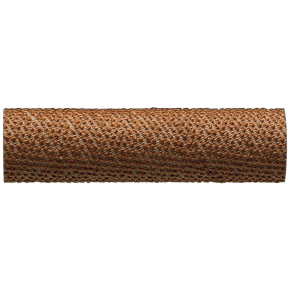
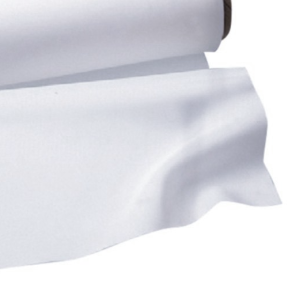
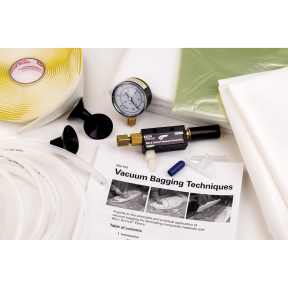
Release Fabric / Peel Ply: Acts as a sacrificial top layer during layup. Once cured, the fabric is peeled off, leaving a clean, textured surface that improves secondary bonding and reduces sanding time. Polishing Blocks Cloths: Used after cure for leveling, finishing, and gloss. Start with fairing compounds, then move to progressive abrasives and polish. Vacuum Bagging Kits: Provide uniform pressure during cure to compact the laminate, minimize voids, and improve fiber-to-resin ratios. Typical stack: release film ? breather ? bag film with airtight seal.
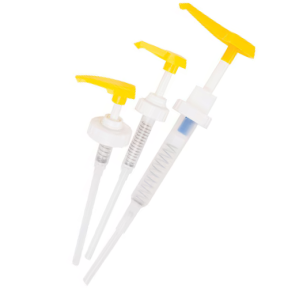
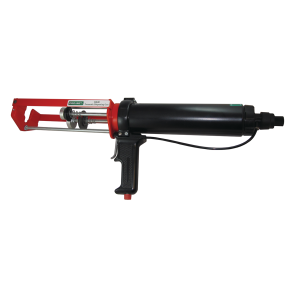
Epoxy Dispensing Pumps
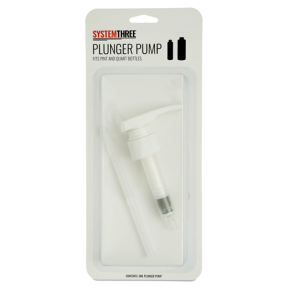
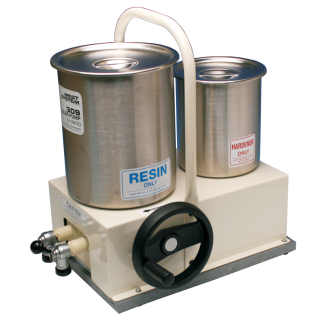
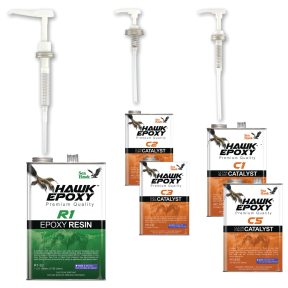
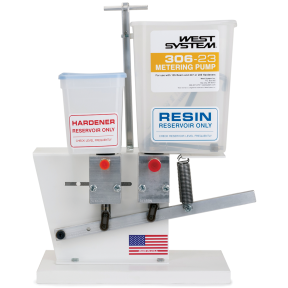
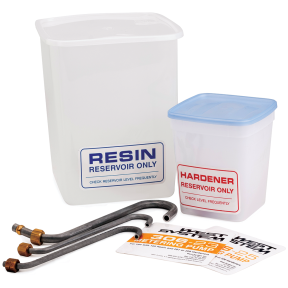
Epoxy pumps are calibrated to deliver the correct mixing ratio of resin to hardener—critical for proper cure, strength, and chemical resistance.
- Accurate Ratios: One-stroke systems reduce human error and batch-to-batch variability.
- Efficiency: Faster production with less mess and less wasted resin.
- Reusable Hardware: Cleanable components support cost-effective, repeatable workflows.
- Manual vs. Electric: Choose based on batch size and throughput; manual suits small repairs, powered pumps suit shop production.
Quality control tips: Label pumps per resin system, replace worn seals, and verify ratio with a digital scale when starting a new batch or after maintenance.
Best Practices for Reliable Repairs
- Surface prep: Clean, dry, abraded substrates improve adhesion.
- Temperature & humidity: Follow manufacturer specs for working/cure windows; store materials above dew point.
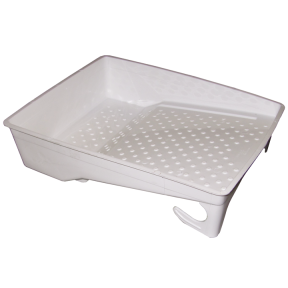
- Pot life management: Mix small batches; spread out in shallow trays to reduce exotherm.
- PPE & safety: Gloves, eye protection, respirator as required; maintain ventilation.
Why Buy from Fisheries Supply?
- Deep inventory: Broad selection of resin tools, pumps, peel ply, rollers, and vacuum bagging supplies—in stock.
- Commercial accounts: Volume pricing and dedicated support for boatyards and builders.
- Fast shipping: Nationwide and worldwide delivery options for time-sensitive projects.
- Expert help: Practical guidance for matching tools to your resin system and project size.