Optimizing Sailboat Boom Performance with Quality Hardware
Fisheries Supply provides the specialized sailboat boom parts and gooseneck fittings necessary for maintaining optimal sail control. As a central component of a boat's rigging, the boom requires high-quality hardware to ensure smooth operation and efficient sailing performance.
At a Glance
- A gooseneck allows the boom to pivot and rotate freely around the mast.
- Rigid boom vangs can eliminate the need for a topping lift by supporting the boom's weight.
- Installation typically requires marine-grade sealants and stainless steel fasteners to prevent corrosion.
Enhancing Sail Handling with Precision Hardware
Reliable sail adjustments depend on the durability of your rigging components. Whether racing or cruising, these parts ensure seamless performance:
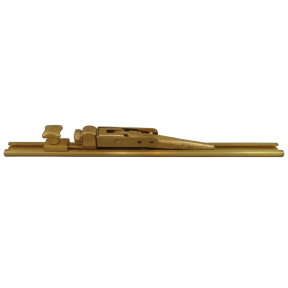
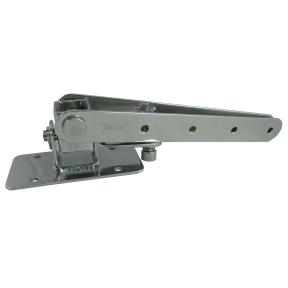
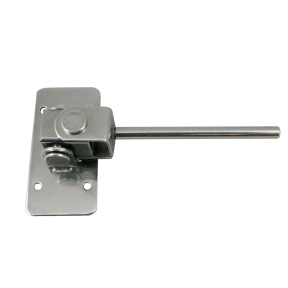
- Gooseneck Sailboat Fittings: The primary connection point between the boom and the mast.
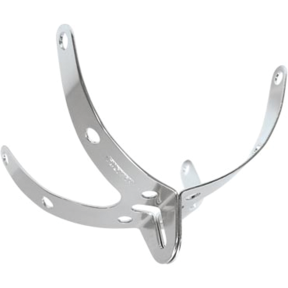
- Boom End Fittings: Critical attachment points for rigging and control lines.
- Outhauls: Hardware used specifically for adjusting the tension of the mainsail's foot.
The Role of the Gooseneck
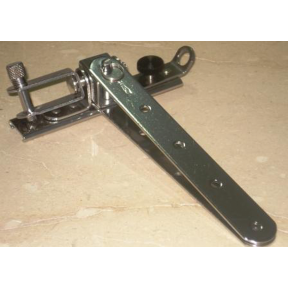
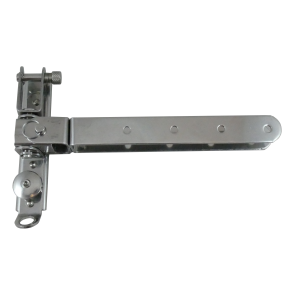
The sailboat gooseneck acts as a pivot, allowing the boom to rotate freely. When selecting gooseneck boom fittings, it is vital to ensure a secure connection that is compatible with your specific mast and boom type, including roller reefing booms. Also, remember that when a boat is on a mooring, the gooseneck takes a lot abuse with the boat rolling around non-stop.
When evaluating new hardware, ensure the boom configuration can properly accommodate reef lines and the topping lift.
Frequently Asked Questions
What is sailboat boom hardware and what does it include?
Sailboat boom hardware refers to the various fittings attached to the boom, including goosenecks, vangs, mainsheet blocks, reefing hardware, outhauls, cleats, and end fittings. These components work together to control sail shape and rigging functionality.
How do I install boom hardware on my sailboat?
Installation involves measuring and marking locations, drilling holes, and securing the fittings with stainless steel rivets or screws. Use marine-grade sealant to prevent leaks and corrosion, and always follow the manufacturer's specific instructions.
What is a boom vang and why is it important?
A boom vang controls upward force on the boom to maintain sail shape and prevent lifting in high winds. Rigid boom vangs also support the boom when the mainsail is lowered, which may allow the removal of the topping lift.
What is the function of a sailboat gooseneck in boom hardware?
The gooseneck serves as the primary connection point between the boom and the mast. It allows the boom to move both horizontally (for tacking and gybing) and vertically (for adjusting sail shape), providing the essential articulation needed for effective mainsail control.
Why should I consider installing a rigid boom vang?
A rigid boom vang provides downward pressure to control the mainsail's leech tension and prevent the boom from lifting when sailing downwind. Additionally, rigid models are strong enough to support the weight of the boom, often eliminating the need for a topping lift and simplifying your deck rigging.
What are the different types of boom bails available?
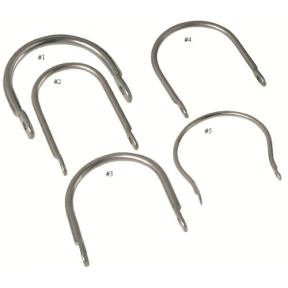
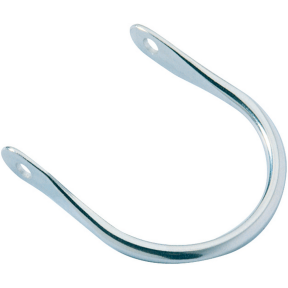
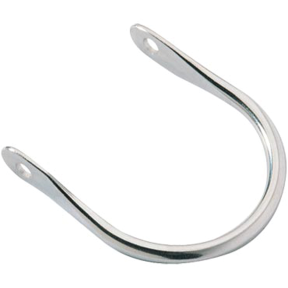
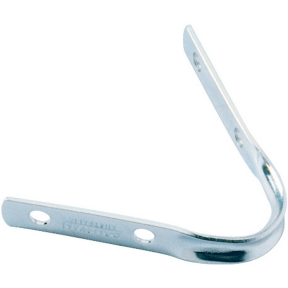
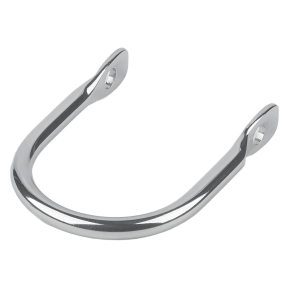
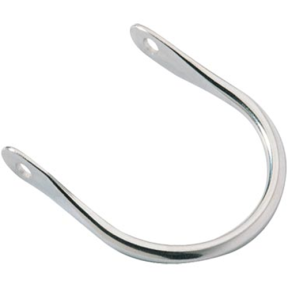
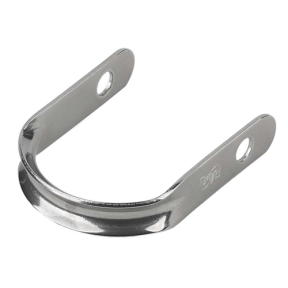
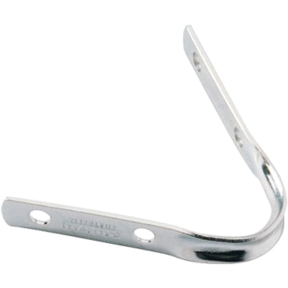
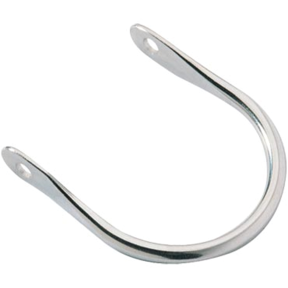
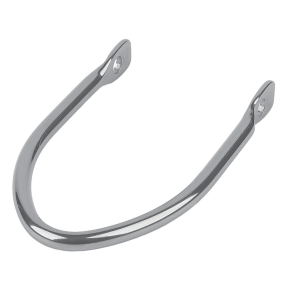
Boom bails are typically offered in several designs to suit different loading requirements, including round forged bails for heavy-duty use, deep V-shaped bails for specific block alignments, and stamped bails which are often used for lighter-duty applications or smaller vessels.
How does a boom brake improve safety while sailing?
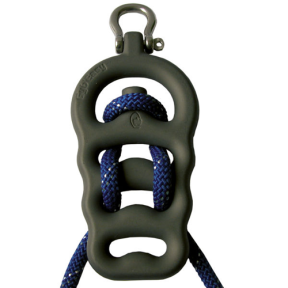
A boom brake, such as those from Dutchman, uses friction to control the speed of the boom during a gybe. This prevents the boom from swinging violently across the cockpit, reducing the risk of accidental injury to the crew or structural damage to the mast and rigging.
What materials are best for sailboat boom hardware to prevent corrosion?
High-quality boom hardware is typically manufactured from marine-grade stainless steel or anodized aluminum. These materials are chosen for their high strength-to-weight ratio and their ability to withstand the harsh corrosive effects of saltwater environments.