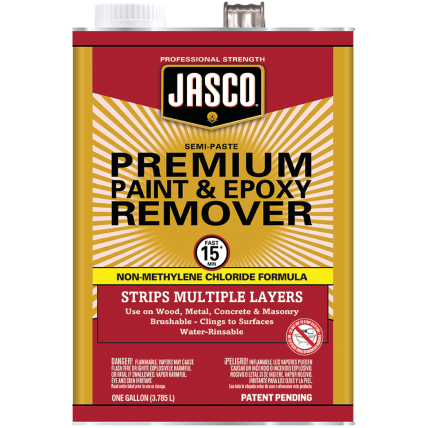
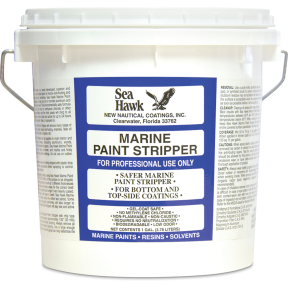
Marine Paint Removers and Strippers from Fisheries Supply
Marine paint removers and strippers are essential for removing old or failing coatings from boats. They are commonly used on wood, fiberglass, and metal surfaces to prepare them for refinishing or repair.
What To Know
- Marine paint removers are formulated for boat surfaces and coatings.
- Different products address topside and antifouling paint removal.
- Proper application and safety practices improve results and surface protection.
Fisheries Supply carries a range of marine paint removers and bottom paint strippers from established manufacturers such as Jasco Chemicals and Sea Hawk. These products are formulated to strip antifouling paint, varnish, epoxy, and both topside and bottom coatings while minimizing surface damage when used as directed.
Types of Marine Paint Removers
- Marine Paint Strippers: Marine paint strippers are designed to penetrate and lift multiple layers of paint or varnish. They are commonly used during refits and repainting projects where complete coating removal is required. These formulations are intended for marine environments and are compatible with a range of substrates.
- Bottom Paint Strippers: Bottom paint strippers are formulated specifically for removing antifouling coatings from underwater hull surfaces. These products are designed to soften and release bottom paint while helping protect gelcoat and fiberglass beneath the coating.
Key Features of Marine Paint Removers
- Surface compatibility: Suitable for wood, fiberglass, and metal.
- Layer removal: Able to remove multiple paint layers per application.
- Safety options: Non-flammable and VOC-free formulations available.
- Application methods: Many products rinse away with water after use.
Application Tips
- Surface preparation: Ensure the area is clean and dry before application.
- Even application: Apply using a brush, roller, or putty knife.
- Dwell time: Allow the remover to work as directed, from minutes to overnight.
- Paint removal: Use a scraper or pressure washer where appropriate.
- Final rinse: Rinse thoroughly to remove residue.
Safety Precautions
- Personal protection: Wear gloves, eye protection, and a mask/respirator.
- Ventilation: Provide airflow when working indoors.
- Waste handling: Dispose of residue according to local regulations.
For related tools and coatings, explore our selection of boat painting supplies.
Frequently Asked Questions
What types of paint and varnish removers are safe for fiberglass or gelcoat surfaces?
Marine-grade, gel-based strippers that are non-caustic and free from methylene chloride are designed to remove coatings without damaging fiberglass or gelcoat when used according to instructions.
How long should a marine paint remover remain on the surface before scraping?
Dwell time varies by product and coating thickness. Some removers work in minutes, while others may require several hours or overnight application to soften multiple layers.
Can a pressure washer be used after applying a paint remover?
Once the paint has softened, a pressure washer can help remove loosened material, provided the surface can tolerate the pressure and proper personal protective equipment is used.
Can I use the same stripper for both wood and metal surfaces?
Many versatile marine removers are safe for wood, aluminum, and steel, but you must choose the right chemistry. Solvent-based or "safety" strippers are generally preferred for hardwoods like teak, as caustic-based removers can scorch the wood or turn it black. For aluminum, ensure the product is labeled as non-corrosive to prevent pitting the metal.
What is the best way to clean the hull after the paint has been stripped?
Most modern "eco-friendly" or water-based marine strippers can be cleaned up with simple soap and water. After scraping away the bulk of the softened paint, use a synthetic scrub pad or a stiff nylon brush with water to remove any remaining residue. Once the surface is clean, it should be thoroughly dried and lightly sanded before applying new primer or paint to ensure proper adhesion.
What safety gear is required when working with marine paint removers?
Even "low-odor" or "safe" strippers require personal protective equipment (PPE). At a minimum, you should wear chemical-resistant gloves (such as butyl rubber or neoprene), safety goggles, and long sleeves to prevent skin irritation. If working in a confined space or using a spray application, a NIOSH-approved respirator with organic vapor cartridges is necessary to protect against chemical fumes.