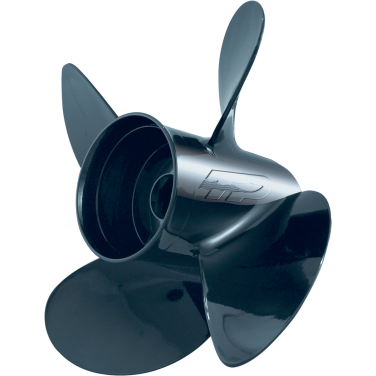
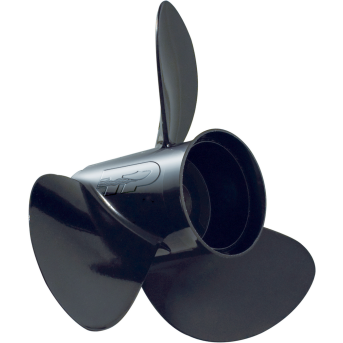
Understanding Boat Propellers, Hub Kits, and Accessories
Key Takeaways
- Propellers affect acceleration, top speed, fuel economy, and handling; correct sizing aligns with the engine’s WOT range.
- Hub kits secure the prop to the shaft, reduce vibration, and protect drivetrain components.
- Core variables: diameter, pitch, blade count, material, and rake/cup.
- Follow ABYC guidance and safety practices when selecting, installing, and operating.
Boat Propellers: What They Do
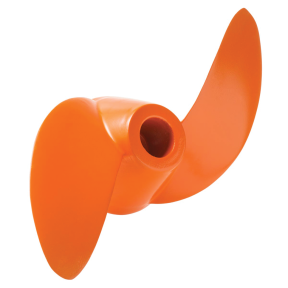
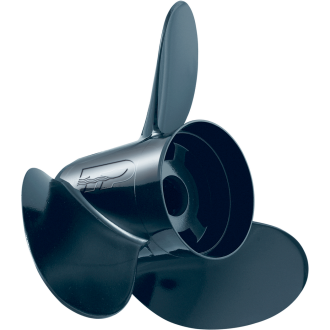
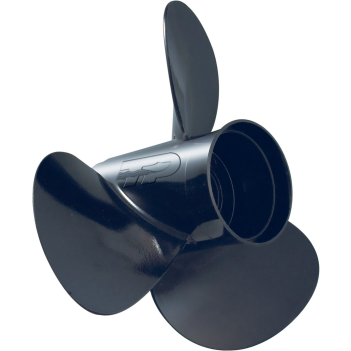
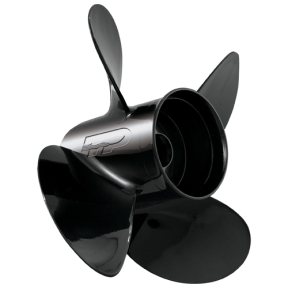
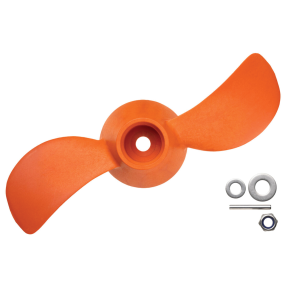
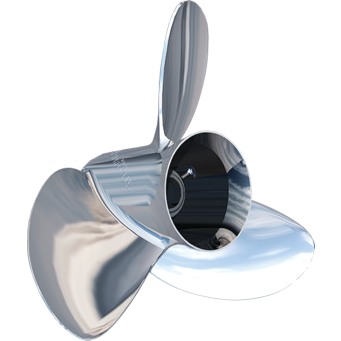
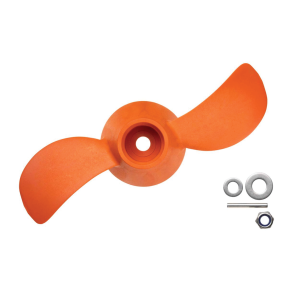
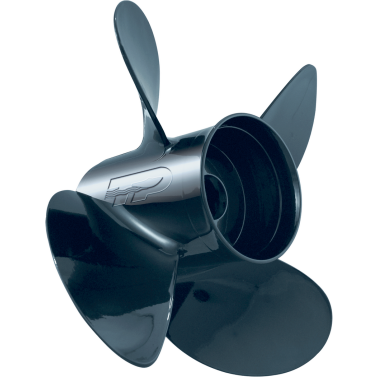
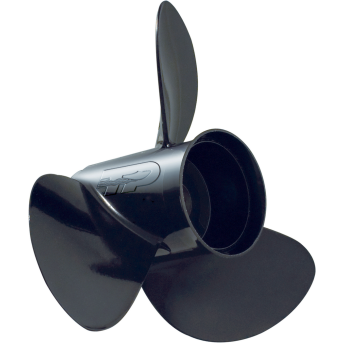
A marine propeller produces thrust by accelerating water in a helical stream—functionally a rotating screw that converts engine torque into forward (or reverse) motion. Selection directly influences planing time, cruise efficiency, and top-end speed. Authoritative primers from Mercury Marine and naval-architecture texts describe how diameter and pitch govern load and engine RPM.
Propeller Hub Kits
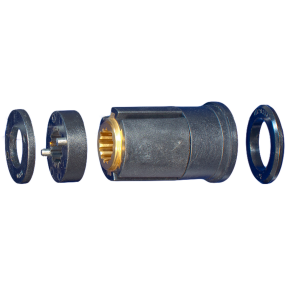
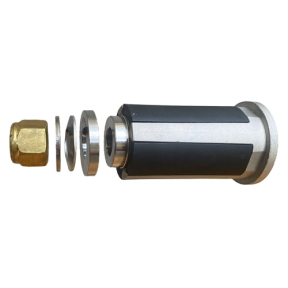
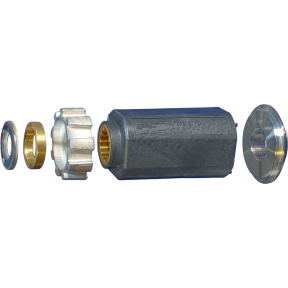
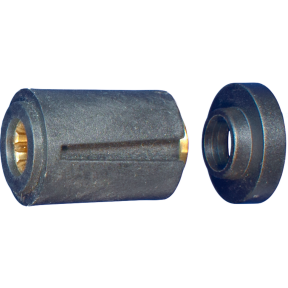
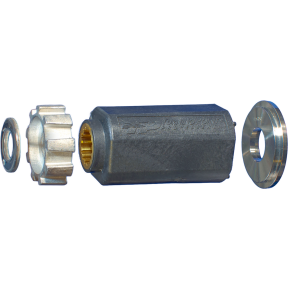
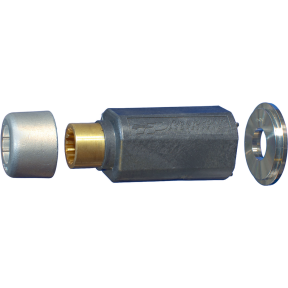
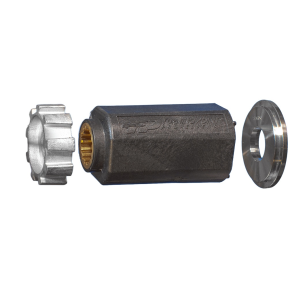
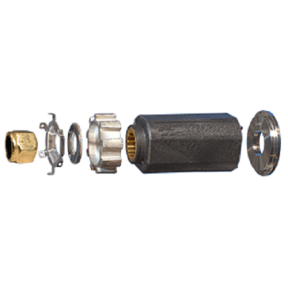
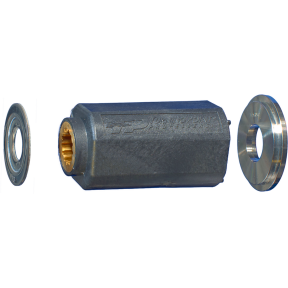
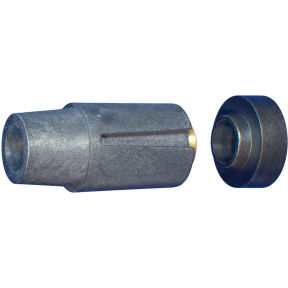
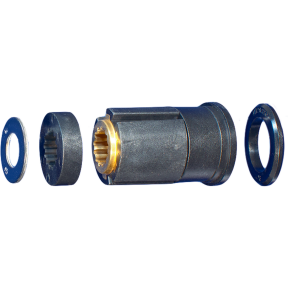
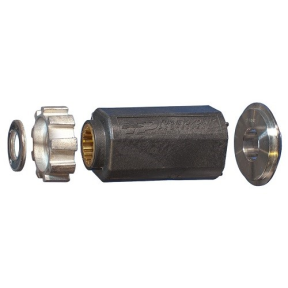
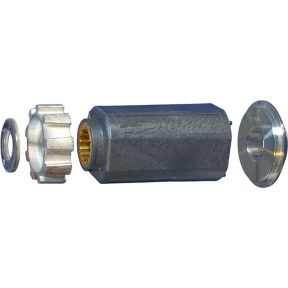
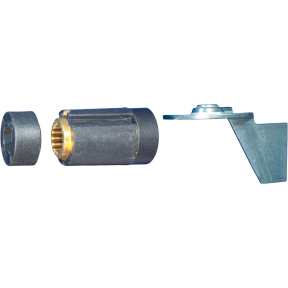
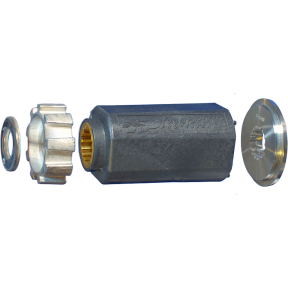
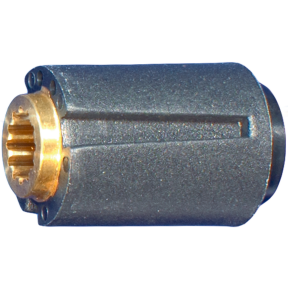
Propeller hub kits connect the propeller to the prop shaft and provide a controlled “give” to damp shock loads. Using the correct, engine-specific kit helps prevent spline damage, reduces vibration, and can minimize drivetrain wear.
- Fitment: Match by engine make, model, year, and gearcase.
- Function: Many modern hubs are designed to absorb impacts from cavitation/ventilation events.
- Maintenance: Inspect hub inserts for wear during every haul-out or prop swap.
Propeller Design " Performance Variables
Diameter & Pitch (Primary Sizing)
Diameter is the circle traced by blade tips; larger diameters generally increase load and can enhance low-speed thrust. Pitch is the theoretical forward travel per revolution (inches). Lower pitch usually raises engine RPM; higher pitch lowers RPM. Proper selection targets the manufacturer’s WOT RPM range with a normal load to protect the engine and optimize performance.
- Under-revving at WOT ? consider less pitch (or smaller diameter).
- Over-revving at WOT ? consider more pitch (or larger diameter).
- Record baseline: current prop size, WOT RPM, GPS speed, trim, and load.
Blade Count
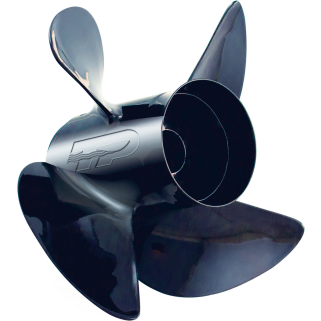
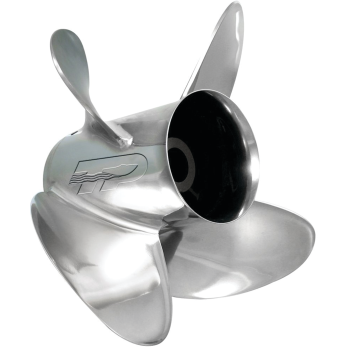
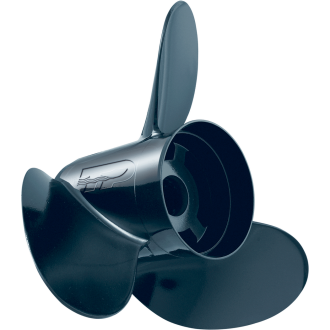
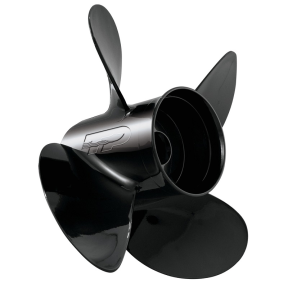
Three-blade props typically emphasize top speed and efficiency; four- and five-blade props can improve holeshot, mid-range grip, and smoothness—useful for heavy loads, rough water, or tow-sports.
Materials
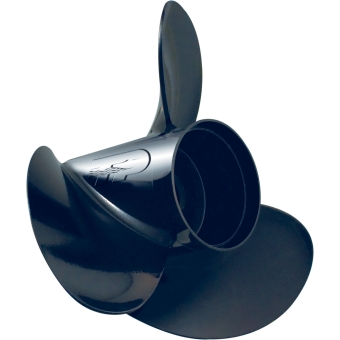
- Aluminum: cost-effective, repairable; good general-purpose performance.
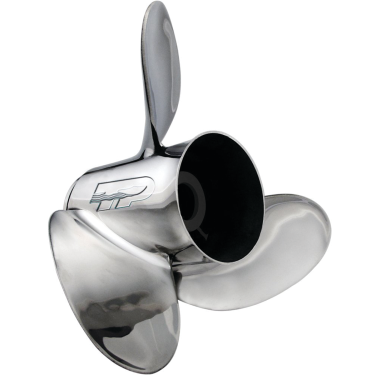
- Stainless steel: stronger, thinner blades for higher efficiency and durability—favored for high torque or performance applications.
Rake, Cup & Blade Geometry
Rake (the blade’s aft tilt) can enhance bow lift and reduce ventilation; cup (a curved lip near the trailing edge) increases effective pitch and grip in turns or at high trim. Geometry choices are application-specific.
Match to Engine WOT Range
Confirm your engine maker’s WOT RPM range and validate on-water. Adjust pitch/diameter until your typical boating load allows the engine to hit the middle-to-upper end of that range at full throttle, trimmed for speed.
Propeller Selection: Step-by-Step
- Identify the engine: brand, model, horsepower, gear ratio, and year.
- Define the intended use: cruising, fishing, tow-sports, commercial workboat, or performance.
- Capture baseline data: current prop size, WOT RPM, GPS speed, fuel burn.
- Trial a nearby size: change pitch in 1–2 inch increments; re-test.
- Evaluate holeshot (how quickly a boat can accelerate from a dead stop), mid-range, and cruise RPM: not just top speed.
- Verify handling: ventilation in turns, trim sensitivity, cavitation signs.
For comparison runs, keep fuel level, crew, gear, and water conditions as consistent as possible.
Maintenance & Installation
- Inspect blades for bends, dings, and cracks; correct balance issues to reduce drivetrain wear.
- Grease the prop shaft and torque the prop nut to spec; re-check after first run.
- Inspect the hub insert and thrust washer; replace if worn or heat-discolored.
- Follow ABYC shafting guidance for alignment, bearing condition, and seal integrity.
Safety Practices
- Use an engine cut-off switch lanyard or wireless device; brief passengers before swimming near the transom.
- Never start the engine with swimmers in the water; shut down when people are boarding or using ladders.
- Consider guards or sensors where appropriate and maintain vigilant lookouts.
Accessories & Related Products
- Hub kits & hardware: model-specific kits, nuts, cotter pins, thrust washers.
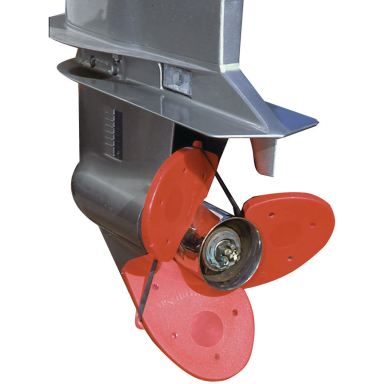
- Prop protection: covers, socket tools, pullers.
- Engine mounts: reduce vibration transmitted to the hull—browse our selection of marine engine mounts.
Need help? Fisheries Supply product experts can recommend prop sizes, hub kits, and accessories for your exact outboard, sterndrive, or inboard setup.
Frequently Asked Questions
How do I know if my prop pitch is wrong?
If you cannot reach the engine maker’s WOT RPM with normal load, pitch is likely too high; if you exceed WOT RPM easily, pitch is likely too low. Validate with GPS speed runs and adjust 1–2 inches at a time.
Three blades or four?
Three blades often favor top speed and efficiency; four blades can improve holeshot, mid-range grip, and rough-water control. Choice depends on your boat’s weight, hull, and mission.
Aluminum vs. stainless steel?
Aluminum is economical and repairable; stainless offers thinner, stronger blades for better efficiency and durability—recommended for high torque or demanding use.
What is rake and cup?
Rake is the aft tilt of the blade; cup is the curved lip near the trailing edge. Both influence lift, cavitation resistance, and effective pitch.
Do I need a specific hub kit?
Yes. Hub kits are engine- and gearcase-specific. The wrong kit can cause vibration, poor fit, or drivetrain damage.
How should I test a new prop?
Run back-to-back tests with consistent fuel, crew, and conditions; record WOT RPM, GPS speed, time-to-plane, and mid-range cruise data.