Fiberglass Cloth and Materials for Boat Building and Repair
Fisheries Supply provides a range of fiberglass materials for marine construction and repair. These products are used DIY boaters, and professional boat builders working on new builds, refits, and structural repairs.
What to Know
- Fiberglass cloth and mat are core materials in boat construction and repair
- Different weights and weaves serve structural and finishing needs
- Fiberglass is commonly used for hulls, decks, parts, and waterproofing
- Materials are available by the yard, pre-cut, or in rolls
Whether the goal is reinforcing a hull, repairing a deck, or sealing wood surfaces, fiberglass remains a core material in modern boatbuilding because of its strength-to-weight ratio and long-term durability.
Types of Fiberglass Materials
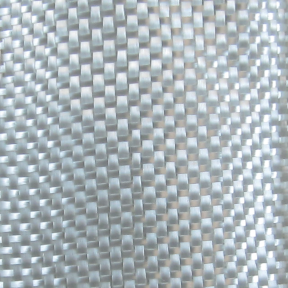
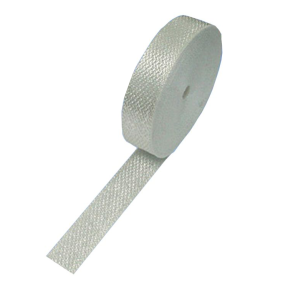
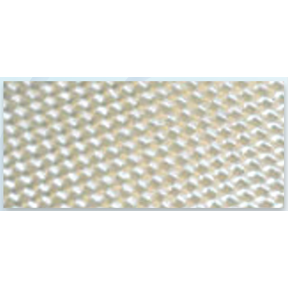
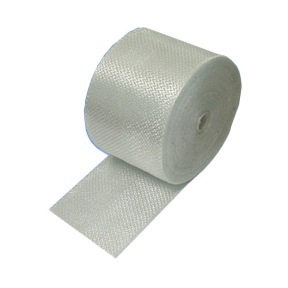
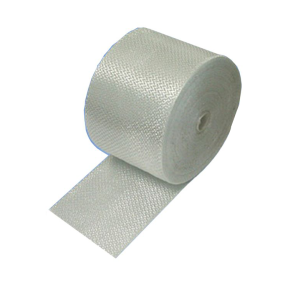
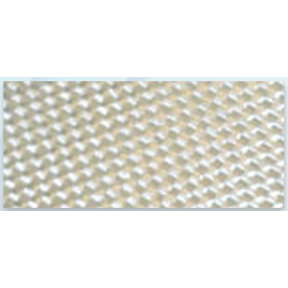
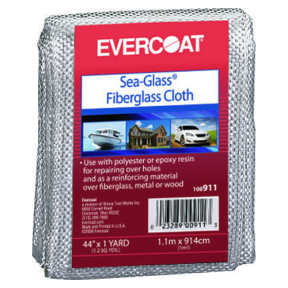
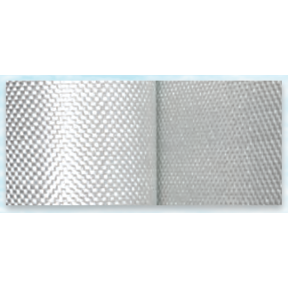
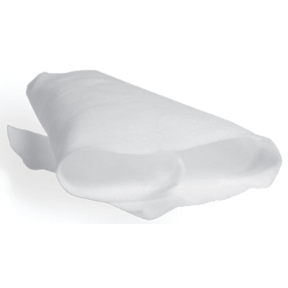
Woven fiberglass cloth, sometimes called fiberglass fabric, is commonly used in boat construction and repair. It is available in multiple weights and weave styles to suit different structural and finishing requirements.
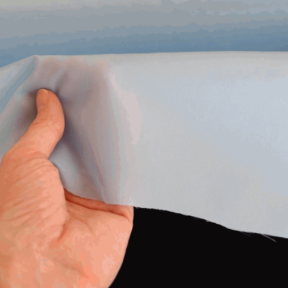
- Lightweight cloth for smooth, transparent finishes and surface waterproofing
- Heavier cloth for added strength and easier handling during layup
- Marine-grade fiberglass cloth designed specifically for boat building/repair applications
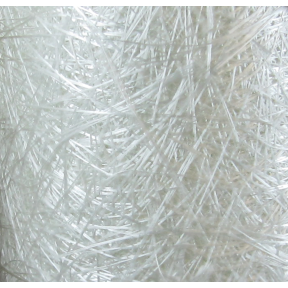
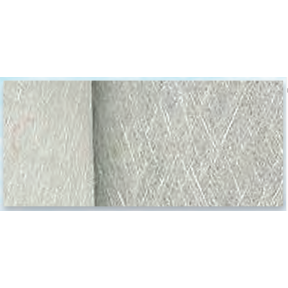
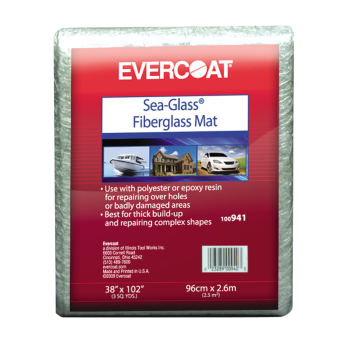
Fiberglass mat is a non-woven reinforcement material used to add thickness and bulk. It is often combined with woven cloth to build up laminate strength or to reinforce repairs.
Applications of Boat Fiberglass
Fiberglass is widely used in marine construction and repair because it combines strength, durability, and relatively low weight. When properly laminated, it forms a long-lasting structural composite.
- Hull construction and structural repair
- Deck reinforcement
- Fabrication of custom parts
- Waterproofing wood surfaces
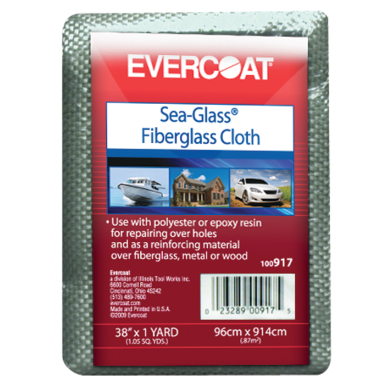
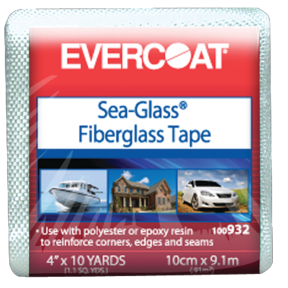
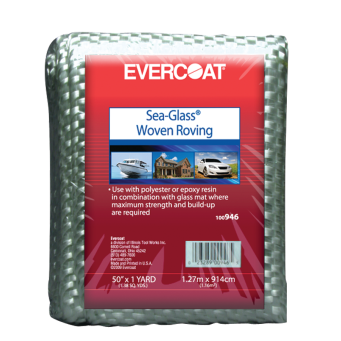
Fisheries Supply carries established marine brands including Fiberlay, Pro-Vac, and Evercoat.
Shopping with Fisheries Supply
When sourcing fiberglass for boat projects, Fisheries Supply offers materials in multiple weights and formats to support both repairs and full-scale construction.
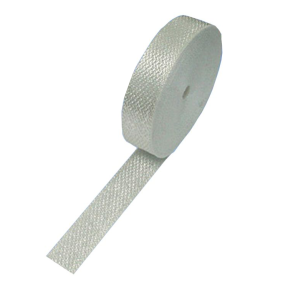
- Fiberglass cloth rolls sold by the yard or in pre-packaged lengths
- Multiple fiberglass weights for different laminate requirements
- Consistent pricing across marine fiberglass products
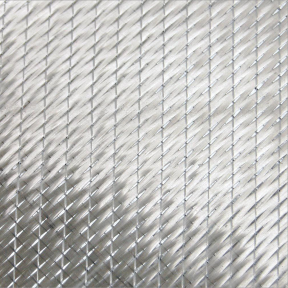
Commonly used materials include lightweight 4 oz fiberglass cloth and 1708 biaxial fabric, both widely used in marine repair and reinforcement work.
Is fiberglass cloth waterproof?
Fiberglass cloth itself is not waterproof, but when saturated with epoxy resin and cured, it forms a strong, waterproof composite.
How do I cut fiberglass cloth without fraying it?
Use sharp scissors or a rotary cutter, and apply masking tape along the cut line to help minimize fraying.
Is protective gear necessary when working with fiberglass cloth?
Yes. Gloves, a dust mask, and protective eyewear help reduce skin and respiratory irritation caused by fiberglass fibers and resin.
What is the difference between fiberglass cloth and chopped strand mat?
Fiberglass cloth is a woven fabric that provides high strength and a smooth finish, making it ideal for outer layers and transparent coatings. Chopped strand mat (CSM) consists of randomly oriented short fibers held together by a binder; it is used to build thickness quickly and provides equal strength in all directions, though it requires more resin to saturate.
Which resin should I use with fiberglass cloth?
The choice depends on your project goals. Epoxy resin offers the strongest bond, superior water resistance, and better flexibility. Polyester resin is more economical and easier to sand, while vinylester resin provides a middle ground with high corrosion resistance, often used in hull repairs.
What does the "ounce weight" of fiberglass cloth signify?
The weight (e.g., 4 oz, 6 oz, 10 oz) refers to the weight of one square yard of the fabric. Lighter cloths (under 4 oz) are typically used for clear coating and lightweight reinforcement, while heavier fabrics (10 oz and up) or biaxial cloths are used for structural repairs and building laminate thickness.