


Marine Spill Response Solutions
Fisheries Supply provides spill response equipment and guidance for marinas, boatyards, and harbors. Our goal: faster containment, minimized environmental impact, and easier compliance alignment.
Key Takeaways
- Containment first: Deploy booms and socks to stop spread on water or deck; then absorb and recover.
- Right kit = faster cleanup: Match kit capacity and sorbent type (oil-only vs. universal) to your fuels, fluids, and spill risk profile.
- Compliance alignment: Plan to support SPCC, USCG, and port requirements with accessible kits and documented training.
- Ongoing readiness: Inspect, restock, and stage kits where spills are most likely to occur.
Spill Kit Categories ( oil, diesel, gasoline, water)
Fuel & Oil Spill Kits
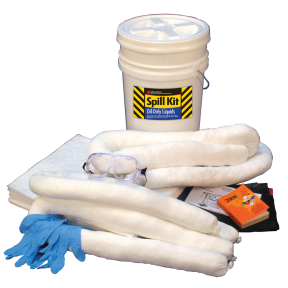
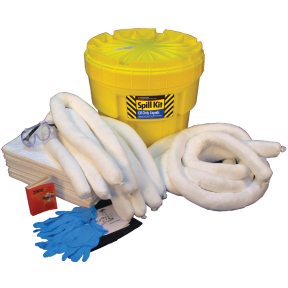
Purpose-built for petroleum products (e.g., diesel, gasoline, hydraulic oil). Oil-only sorbents repel water and selectively absorb hydrocarbons—ideal for dockside and engine-room incidents.
Marine Spill Kits (On-Water Containment)
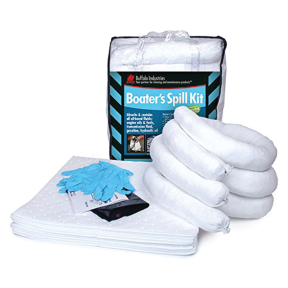
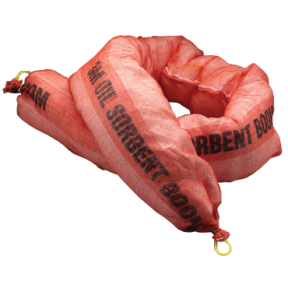
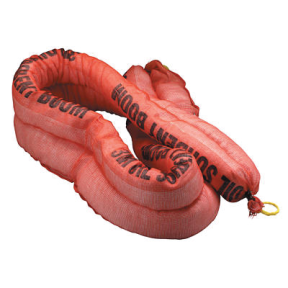
Designed to contain and recover floating hydrocarbons on water with booms and oil-only absorbents; supports protection of sensitive areas and aids in meeting harbor or marina rules.
- Contains oil/fuel on water
- Protects marine ecosystems
- Supports regulatory compliance alignment
Emergency Oil Spill Kits (Rapid Response)
Portable kits for first minutes of a spill—stage near fueling points, bilge outlets, and maintenance bays. Emphasis on fast deployment and clear instructions.
What’s Inside a Spill Kit (Technical Terms Components)
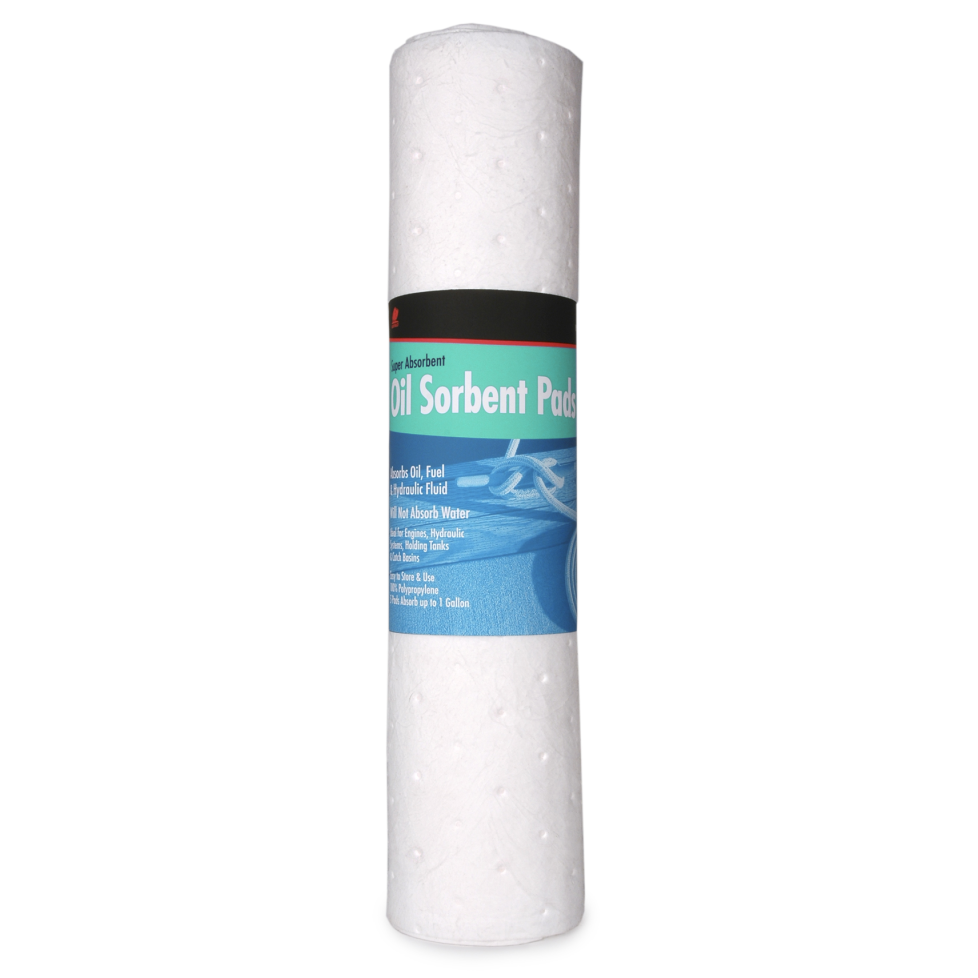
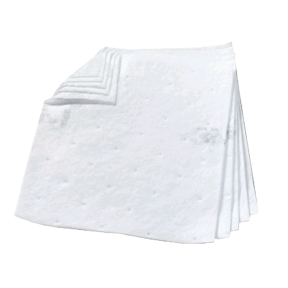
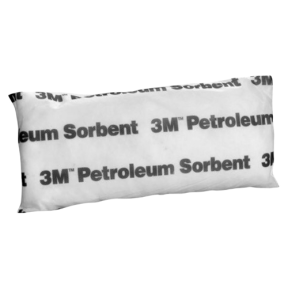
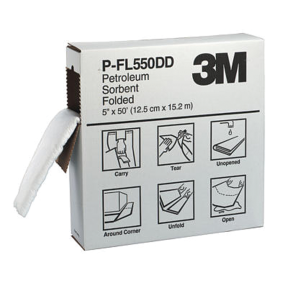
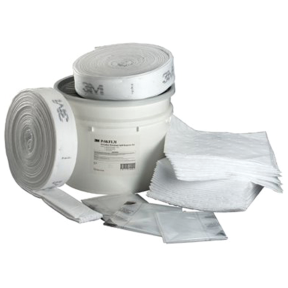
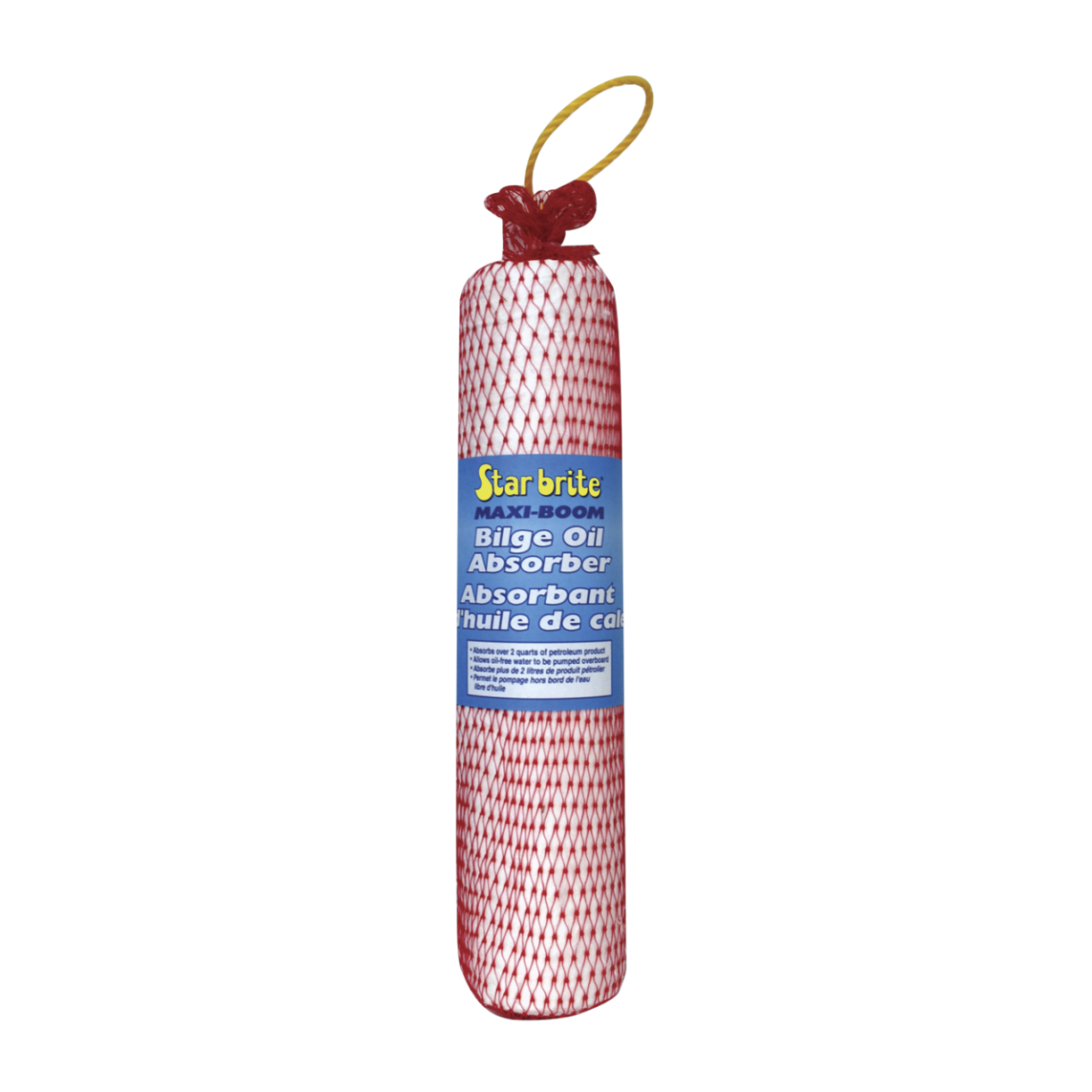
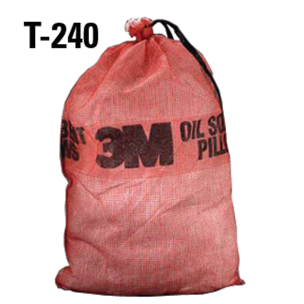
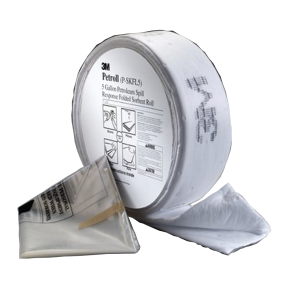
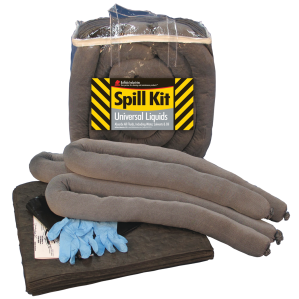
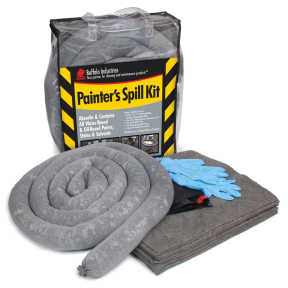
- Absorbents (sorbents): pads, rolls, pillows for surface recovery.
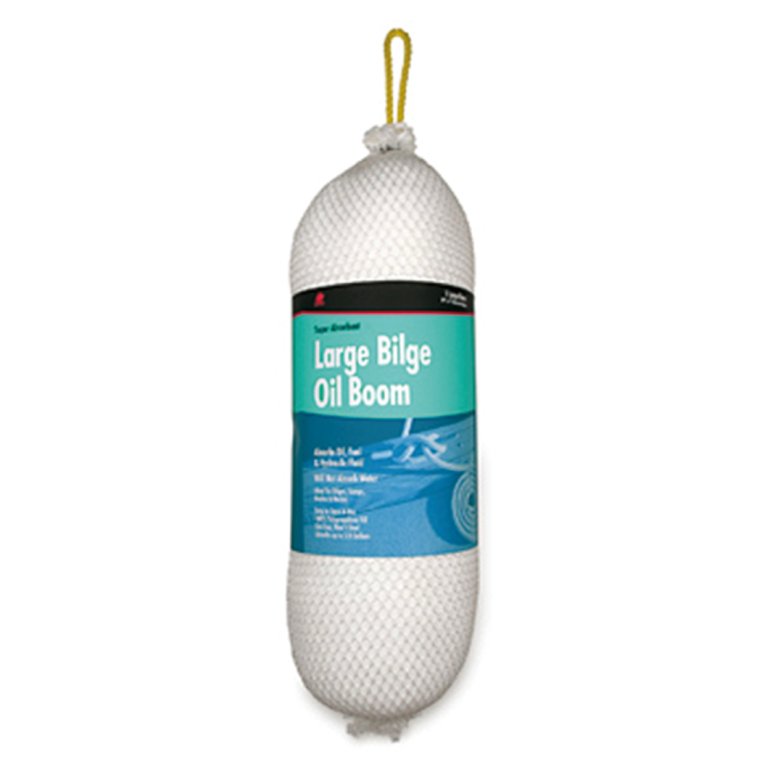
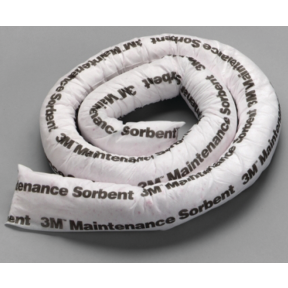
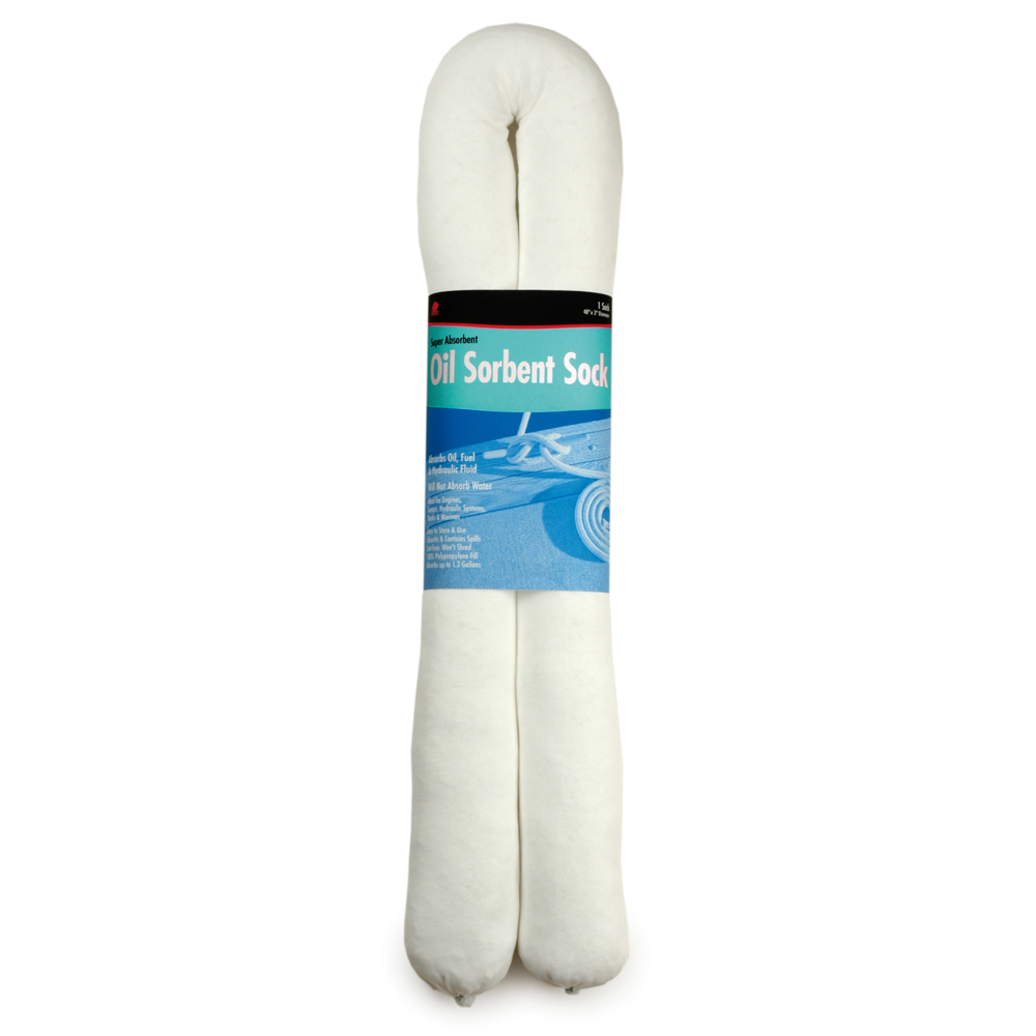
- Containment: booms and socks to encircle and prevent spread.
- PPE: protective gloves; consider goggles and disposable coveralls per job hazard assessment.
- Disposal: labeled bags or salvage containers for used materials (follow local/port rules).
- Instructions: quick-start guide with site-specific contacts and reporting steps.
How to Choose the Right Spill Kit
- Identify fluids: petroleum only (oil-only sorbents) vs. mixed fluids/chemicals (universal sorbents).
- Estimate spill volume: match kit capacity to realistic worst-case for your operation (e.g., tank size, hose volume).
- Assess locations: fueling docks, engine rooms, maintenance areas, and transport routes.
- Plan for containment: ensure enough boom length for likely spread on water or deck.
- Document access: label kit locations; add to response plan and crew onboarding.
How to Use: 5-Step Response
- Alert & secure: stop the source; notify crew per your plan.
- Contain: deploy booms/socks around the spill edge or discharge point.
- Absorb: apply pads/pillows from the outside in; avoid pushing product.
- Recover & dispose: bag used sorbents; segregate waste as required by local regulations.
- Report & restock: log the incident; replace kit contents immediately.
Storage, Readiness & Training
- Stage kits near likely spill sources; protect from weather and UV.
- Monthly visual checks; after any use, fully restock.
- Train crews on PPE, deployment, and notification procedures; run periodic drills.
Regulations & Standards ( EPA, USCG, NOAA, IMO)
United States: Spill planning often references the Oil Pollution Act of 1990 and SPCC (Spill Prevention, Control, and Countermeasure) framework administered by the U.S. Environmental Protection Agency (EPA). Port and state rules may add requirements. The U.S. Coast Guard (USCG) oversees marine pollution response and reporting for navigable waters. Technical guidance is provided by NOAA’s Office of Response & Restoration.
International: boat operations commonly reference MARPOL Annex I (oil pollution) under the International Maritime Organization (IMO).
Note: This article offers practical guidance, not legal advice. Always confirm local, state, port, and flag-state requirements for your operation.